
October 19, 2026
Is the Wild Great Wall Safe to Hike? Honest Answers
Is the wild Great Wall safe? Yes, for most reasonably fit people, as long as you pick a suitable section, wear proper shoes and go with an experienced guide. The main risks are loose bricks, steep drops and getting lost. Hiking independently, without local knowledge, is where most problems start.
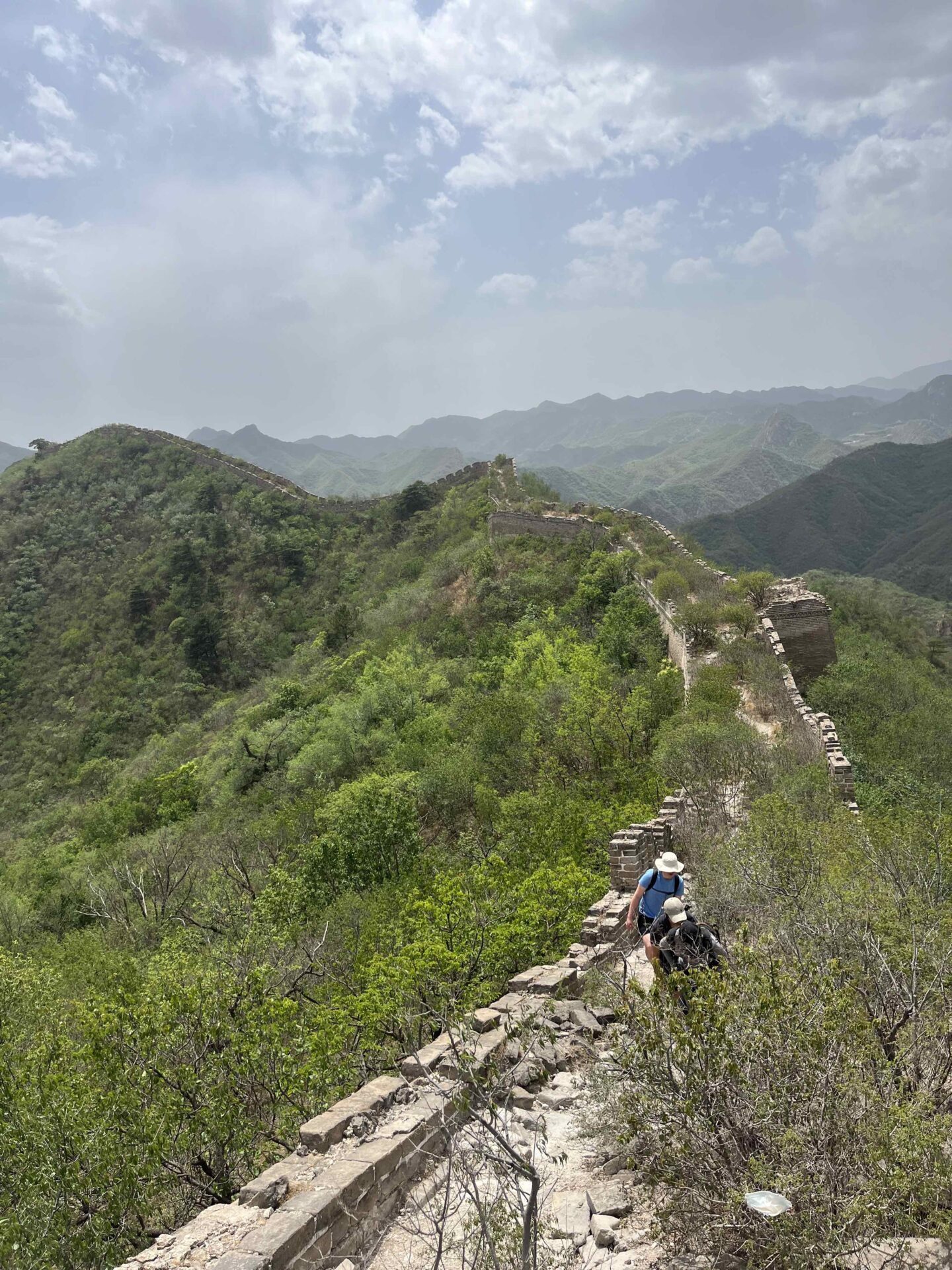
The “wild” wall means the unrestored sections: crumbling towers, overgrown paths and no ticket barriers. It is the Great Wall as it really looks after centuries, and in our view it is far more memorable than the busy restored sections.
So, let’s be honest about the risks and, more importantly, how to avoid them.
Most Common Questions Our Guests Ask | Our Beijing
What is the wild Great Wall?
The wild Great Wall is any section that has not been rebuilt for tourism. Famous sections such as Badaling and Mutianyu have been restored, with handrails, cable cars and smooth steps. Wild sections, by contrast, look much as they did hundreds of years ago.
The wall itself stretches thousands of kilometres. You can read more about its history on Wikipedia’s Great Wall of China page.
Is the wild Great Wall safe to hike?
It is safe enough for most hikers, but it is not a theme park. There are no railings, no rangers and often no phone signal. Therefore, the safety comes from preparation and route choice rather than from the wall itself.
| Risk | How likely? | How to reduce it |
|---|---|---|
| Loose bricks and rubble | Common | Test footholds and avoid the very edges |
| Steep, slippery sections | Common on some routes | Grippy shoes, and go slowly downhill |
| Getting lost | Likely if alone | Hike with a guide who knows the route |
| Heat or cold | Seasonal | Carry water and layers |
| Fines for closed sections | Possible | Stick to routes that are open to hikers |
What are the biggest dangers?
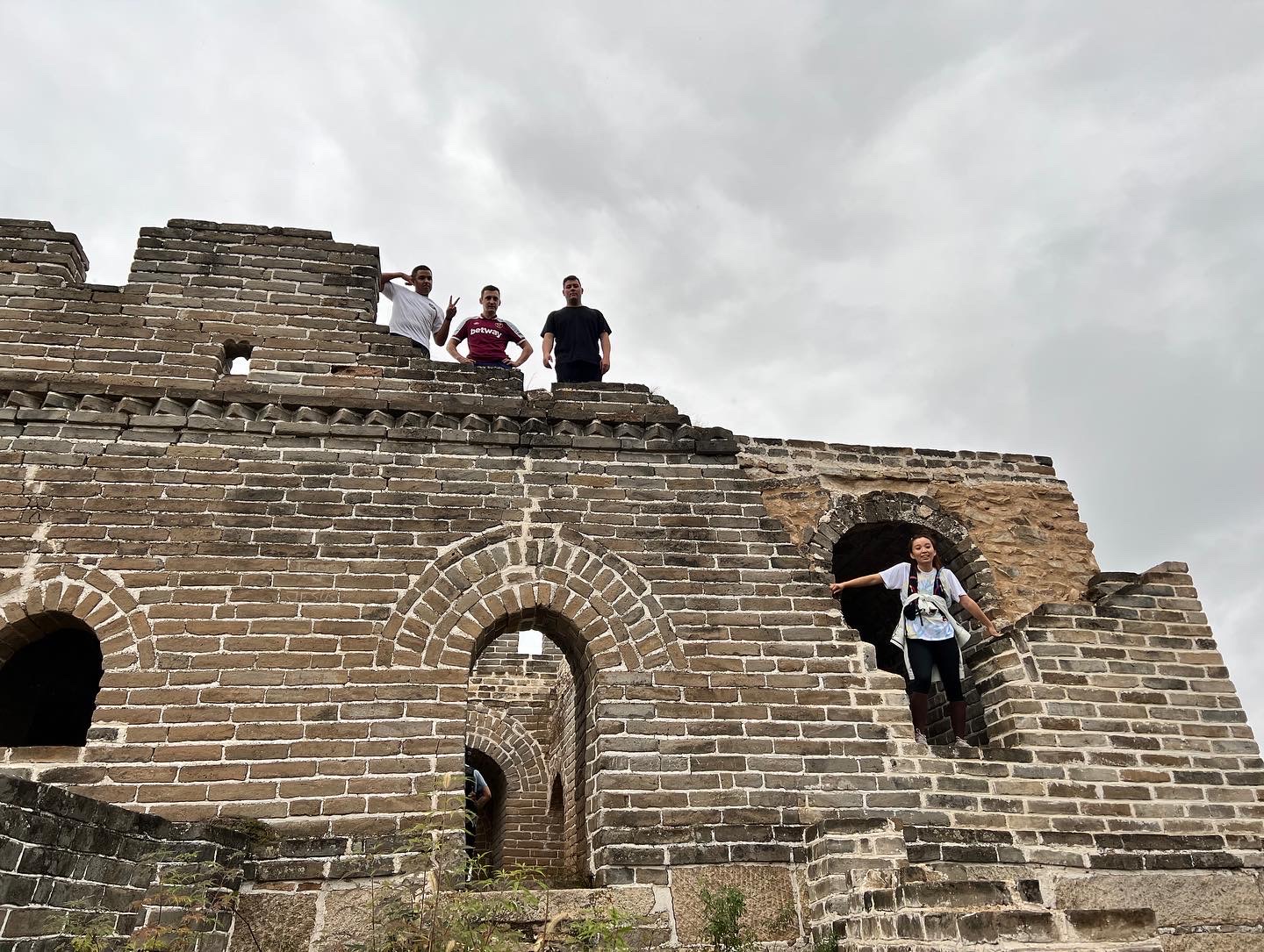
Honestly, the biggest danger is a twisted ankle on loose stone. Falls from height are rare, yet they do happen when people climb crumbling towers for a photo. Meanwhile, getting lost on side trails is a real risk at dusk.
Is it legal to hike the wild Great Wall?
Some unrestored sections are officially closed to protect them, and rules can change. As a result, it is best to follow routes that local guides use and respect any signs. Leave no trace, and never remove bricks as souvenirs.
How do I keep a wild Great Wall hike safe?
- Go with a guide. They know the safe paths, the closures and the way down.
- Wear proper shoes with good grip, not fashion trainers.
- Carry enough water: at least 1.5 litres, more in summer.
- Check the weather, and avoid the wall in storms or ice.
- Start early so you finish in daylight.
- Tell someone your route and expected return time.
- Have travel insurance that covers hiking.
For general safety and health advice before travelling, see the UK government’s China travel advice.
Which wild Great Wall sections are safe for first-timers?
Start with a section that mixes wild wall with clear paths. These are the routes we use most often, because they balance adventure with safety.
Huanghua: a great first wild wall
Huanghua offers authentic, unrestored wall with reservoir views and manageable climbs. See the Huanghua Wild Great Wall Hike.
Longquan: the hidden wild wall
A quieter, lesser-known section with safe, well-trodden paths, perfect if you want the wall nearly to yourself. See Longquan — The Hidden Wild Wall.
Panlongshan and river routes for the more adventurous
Ready for more? Try Walk the Wild Great Wall at Panlongshan or the Wild Great Wall & Mountain River Hike. Also see our guide to the best parts of the Great Wall to hike.
Is the wild Great Wall safe for children or older travellers?
It can be, on the right route. Families with active older children often love it. However, very young children and anyone with knee or balance problems may prefer a gentler section. For ideas, read our family guide to the Great Wall.
Why hike the wild Great Wall with us?
Wondering whether the wild Great Wall is safe for you? We have been guiding hikers on the wild wall for years. We choose routes to suit your fitness, arrange transport from the city and keep groups small. In short, you get the adventure without the guesswork.
FAQs: is the wild Great Wall safe?
Is the wild Great Wall dangerous?
It has real risks, mainly loose bricks, steep sections and getting lost. With good shoes, a sensible route and a guide, most hikers have a safe and unforgettable day.
Do I need a guide to hike the wild Great Wall?
It is strongly recommended. Guides know which paths are safe and open, and they make sure you get down before dark.
How fit do I need to be for the wild Great Wall?
Reasonable fitness is enough for routes like Huanghua. Expect steep steps for a few hours, so regular walkers usually manage well.
What is the best time of year to hike the wild Great Wall?
Spring and autumn are best, with mild temperatures and clear skies. Autumn adds red and gold leaves; summer is hot and winter can be icy.
What should I wear to hike the wild Great Wall?
Wear grippy hiking shoes, breathable layers and a hat. Bring water, snacks, sun cream and a charged phone.
✨You’re reading a blog from Our Beijing ✨
We curate experiences for adventurous travellers who want something different.
—imagine riding through old Beijing hutongs, tasting our favourite street food snacks, or if you’re a top adventure seeker, hiking the wild, unrestored Great Wall.



Back to blog