July 3, 2026
Essential Things to Know Before Traveling to China: A First-Timer’s Guide 🇨🇳
China can feel “intimidating”: the language, the apps, the cultural norms. But it’s also one of the most rewarding places you’ll ever visit.
Here’s what you actually need to know before you go:
1. Visas & Entry Requirements 🌍
- Check if you need a visa. Citizens of many countries can now enter China visa-free for up to 30 days for tourism, business, or family visits. As of 2026, this applies to 50 countries including France, Germany, Italy, Spain, Australia, Japan, South Korea, Canada, the UK, and more. Here’s an official update on China’s visa-free entry policies.
- If you’re not on the list, apply for a tourist visa at your nearest Chinese embassy or consulate. Start the process at least 4-6 weeks before your trip.
- Don’t forget your passport. You’ll need it for everything — hotel check-in, high-speed train tickets, museum entry. Some places won’t let you in without it.
2. Apps You Actually Need 📱
Check out this blog we wrote before.
3. Money & Payments 💰
- Mobile payment is king. In cities like Beijing and Shanghai, you can go days without using cash. But always carry some cash as backup — small shops or rural areas may still prefer it.
- Foreign credit cards aren’t widely accepted. Link your Visa or Mastercard to Alipay or WeChat Pay before you leave. This covers 90% of your payment needs.
- ATMs work. Bank of China and ICBC ATMs reliably accept foreign cards. Check your bank’s foreign transaction fees before you go.
- Get small bills. 10s, 20s, and 50s are useful. Big bills are hard to break.
4. Language & Communication 💬
- English isn’t widely spoken outside of major hotels and tourist spots. Download a translation app with offline capability before you go.
- Learn a few key phrases — a little effort goes a long way: 你好 (nǐ hǎo) — hello; 谢谢 (xièxie) — thank you; 对不起 (duìbuqǐ) — sorry; 多少钱 (duōshao qián) — how much?; 听不懂 (tīng bù dǒng) — I don’t understand
- Menus in tourist areas often have English or pictures . Elsewhere, use your phone’s camera translation.
5. Getting Around 🚴
- High-speed trains are incredible. Check out this blog we wrote before.
- Avoid national holidays if you can. During Golden Week (Oct 1-7), Spring Festival, and Labor Day (May 1-5), trains sell out, hotels are packed, and prices spike.
- Subways are clean and easy — use the “Transport” mini-app in Alipay for QR codes at metro gates in most cities.
- Taxis — always use registered taxis or Didi. Get a receipt (发票) every time in case you leave something behind.
6. Internet & Connectivity 🛜
- Get an eSIM or roaming plan before you arrive. Or buy a local SIM at the airport with your passport.
- Google, Instagram, WhatsApp are blocked. You’ll need a VPN to access them. Set it up before you leave.
- WeChat is essential — even if you don’t use it for payments, many hotels, restaurants, and tour operators use it for communication.
7. Safety & Health 🔐
- China is extremely safe. Violent crime is rare. The country ranks among the highest globally for public feelings of safety. Travelers often mention walking alone at night without worry.
- Pickpockets exist in crowded areas. Keep your phone and wallet secure in busy tourist spots, markets, and subway stations.
- Tap water isn’t drinkable. Stick to bottled water or boiled water. Many hotels provide free bottled water.
- Food is safe and incredible. Street food is generally fine if it’s freshly cooked and busy. Use your judgment.
- Travel insurance is recommended. Not required, but smart. Make sure it covers medical emergencies.
8. What to Expect (Honest Talk) ❗️
- The crowds can be intense — especially at popular attractions during peak season. Visit early in the day or outside holidays for a better experience.
- The food is incredible and diverse. Northern cuisine leans towards noodles and wheat. Southern cuisine features rice, seafood, and lighter flavors. Sichuan and Hunan are known for spicy food.
- People are genuinely friendly. Travelers often mention how helpful locals are, even when they don’t speak English. Don’t be afraid to ask for help.
- Everything is digital. Paying with your phone, scanning QR codes for menus, booking tickets on apps — embrace it.
- It’s safe. Really safe. You’ll walk at night without worry. You’ll leave your phone on a table while you order food. It’s just part of everyday life here.
FAQ:
1️⃣ What if I need medical help while visiting China?
Major cities have well-equipped international hospitals with English-speaking staff. Dial 120 for medical emergencies. Carry a card with your blood type, allergies, and any chronic conditions written in Chinese.
2️⃣ What’s the best time to visit China?
Spring (April–May) and autumn (September–October) are ideal for most regions — comfortable temperatures and fewer crowds. Summer is hot and humid; winter is freezing in the north, cold and damp in the south.
3️⃣ Can I use my foreign credit card in China?
Not widely — but you can link your Visa or Mastercard to Alipay or WeChat Pay. This works for most transactions. Always carry some cash as backup.
4️⃣ Is China safe for solo travelers, especially women?
Yes. China is consistently ranked as one of the safest countries for travelers. Use normal city-safety precautions and you’ll be fine.
5️⃣ What food should I avoid in China if I have allergies?
The biggest risks are peanuts and seafood. Cross-contamination is common in Chinese kitchens. Write your allergy on a card in Chinese and show it to the server — “我过敏” (wǒ guòmǐn) means “I’m allergic.” For celiac disease or gluten intolerance, food is much harder to avoid because soy sauce contains wheat. Carry a translation card explaining your dietary restrictions. We have written a blog about gluten-free restaurants in Beijing.
✨You’re reading a blog from Our Beijing ✨
We design authentic adventures for travelers who want to dive deeper
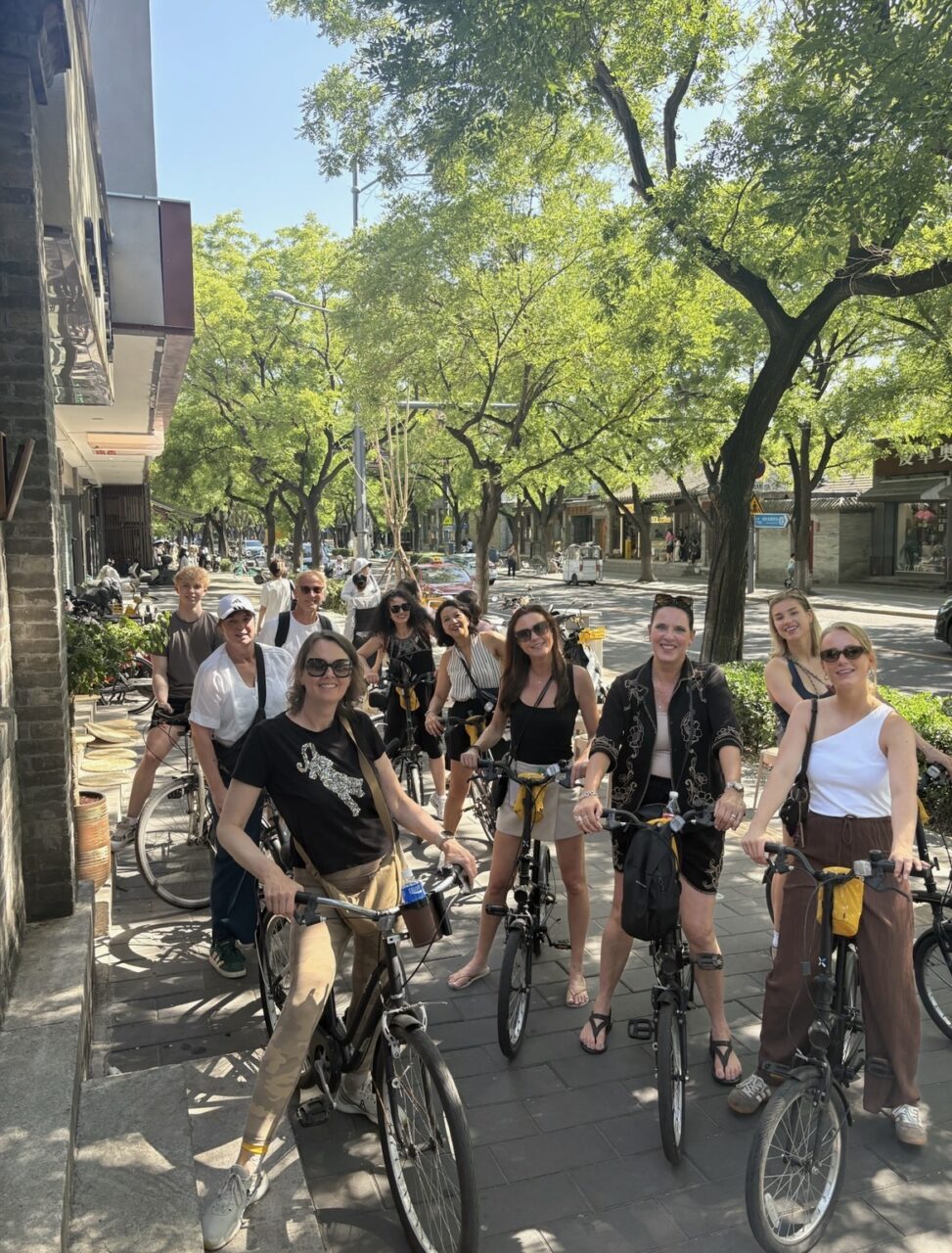
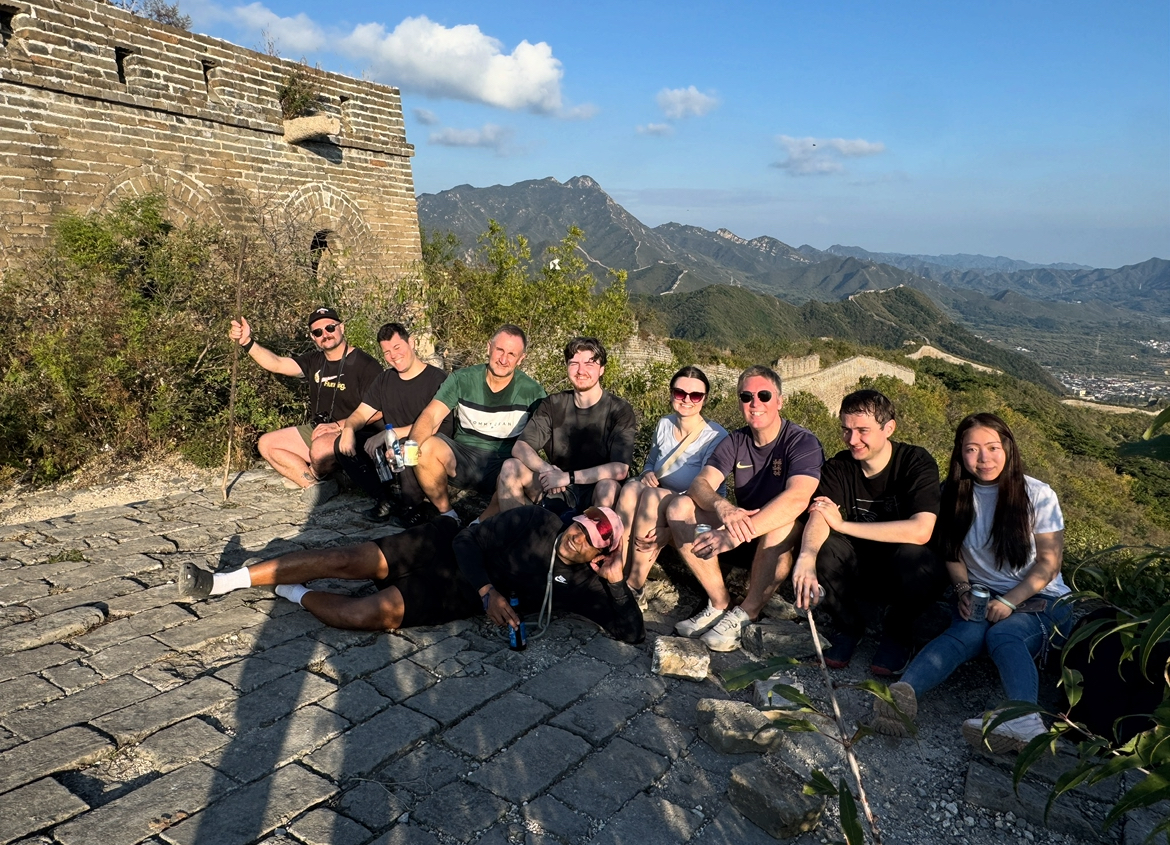
— cycling through hutongs, tasting Beijing’s favorite snacks, and hiking the wild, unrestored Great Wall.




Back to blog