July 2, 2026
7 Easy Day & Overnight Trips from Shanghai by High-Speed Train
Let’s be real — Shanghai is incredible. But if you have extra days (or even just one), there’s a whole other China just beyond the city limits.
The high-speed rail network puts dozens of destinations within 1-3 hours. Ancient water towns. Classical gardens. Food cities where your money goes twice as far.
Here are 7 places you can visit:
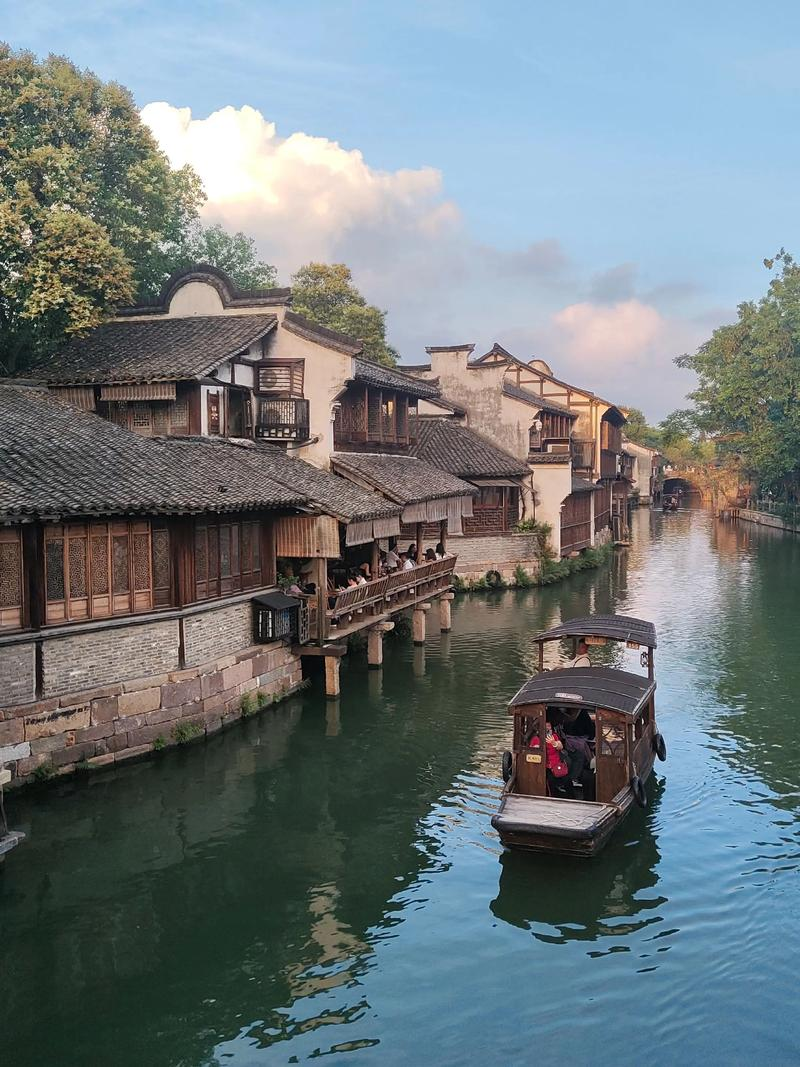
1. Suzhou (苏州) – The “Venice of the East”
Train time: ~30 minutes
Best for: Classical gardens, canals, and serious food
Suzhou is the classic day trip — and for good reason. It’s been the symbol of Jiangnan water towns for over 2,500 years, with UNESCO-listed gardens, winding canals, and a food scene that rivals Shanghai’s.
What to do:
- Humble Administrator’s Garden (拙政园) – the largest and most famous of Suzhou’s classical gardens (70 RMB). Go before 9 AM to avoid the crowds.
- Pingjiang Road (平江路) – a 1.6km ancient street with canals, teahouses, and street food. Grab a seat at a teahouse and listen to Pingtan (storytelling with music).
- Shantang Street (山塘街) – the “number one street in Gusu.” Come at sunset for the red lanterns reflecting on the canal. Take a boat ride (80 RMB).
What to eat: 松鼠桂鱼 (sweet and sour mandarin fish), 蟹黄汤包 (crab roe soup dumplings).
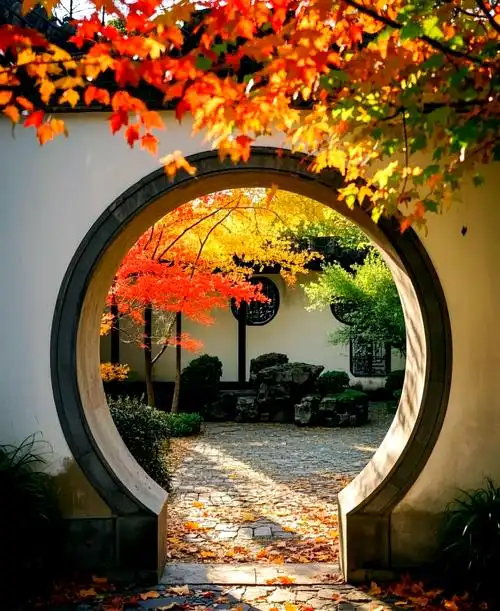
2. Hangzhou (杭州) – “Heaven on Earth”
Train time: ~45-50 minutes
Best for: West Lake, tea fields, and temple vibes
“Above there is heaven, below there is Suzhou and Hangzhou.” The saying exists for a reason. Hangzhou’s West Lake is the centerpiece — a 5.6-square-kilometer lake surrounded by hills, temples, and pagodas.
What to do:
- West Lake – the classic walk: Broken Bridge → Bai Causeway → Solitary Hill → Leifeng Pagoda. Rent a bike or take a boat to the islands (55 RMB includes boat + island ticket).
- Lingyin Temple (灵隐寺) – one of China’s most famous Buddhist temples. The ticket is 75 RMB (includes the nearby Feilai Feng grottoes).
- He Fang Street (河坊街) – the “old street” for souvenirs, snacks, and night market energy. Try 定胜糕 (victory cake) and 荷花酥 (lotus pastry).
What to eat: 西湖醋鱼 (West Lake vinegar fish), 龙井虾仁 (Longjing tea shrimp), 叫花鸡 (beggar’s chicken).
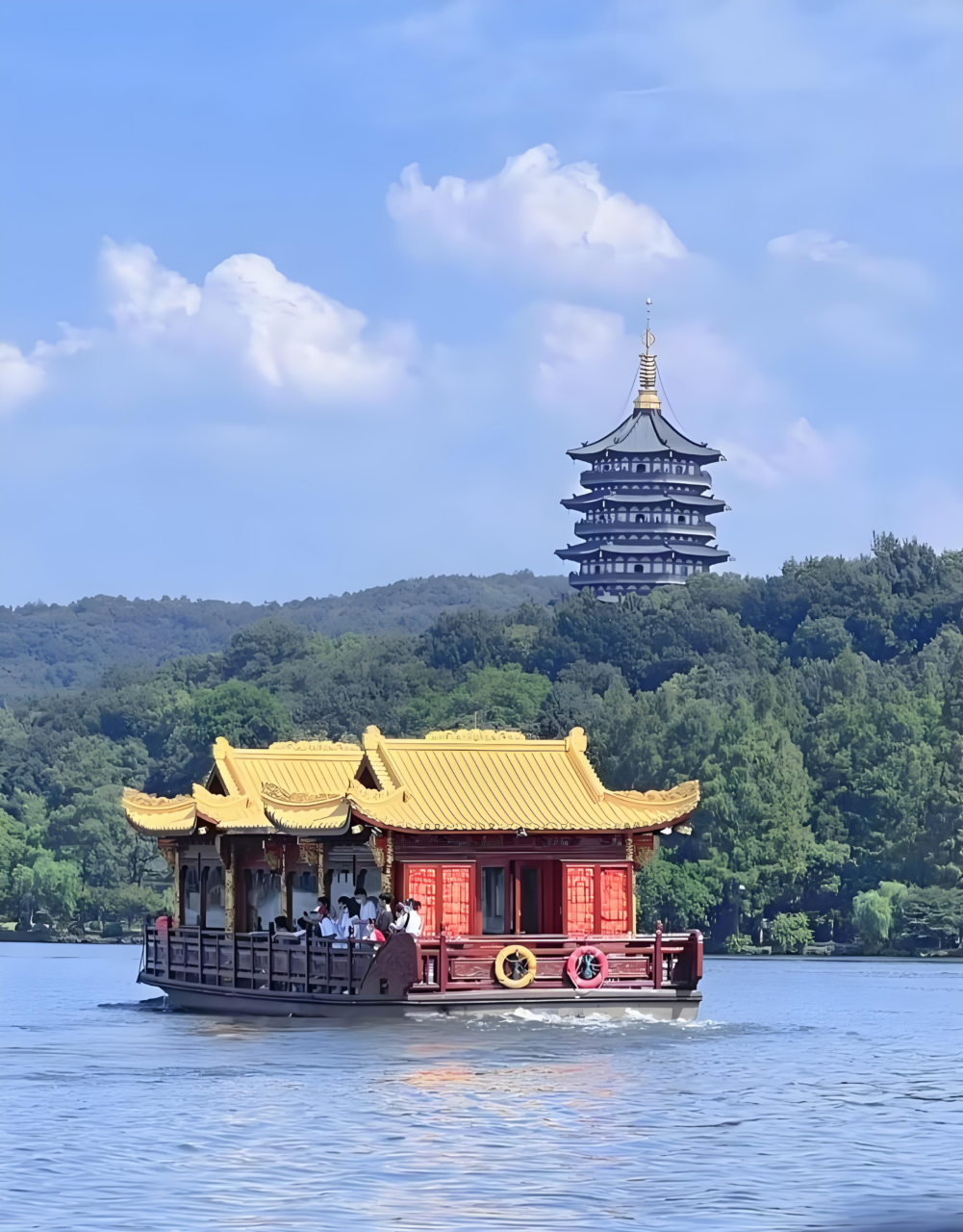
3. Jiaxing & Wuzhen (嘉兴/乌镇) – The Ultimate Water Town
Train time: ~40 minutes to Jiaxing, then bus
Best for: A classic water town with a night stay
Wuzhen is the postcard image of China’s canals — black-tiled roofs, white walls, stone bridges, and boats drifting through the mist. It’s divided into East and West sections. The West section (Xizha) is the one to stay in.
What to do:
- Xizha (西栅) – the newer, more photogenic side. Stay overnight inside the scenic area (150 RMB entry) — you can enter multiple times and experience the town after the day-trippers leave.
- Night boat ride – the lantern-lit canals are magical. Grab a boat (30-50 RMB) and glide through the silence.
What to eat: 定胜糕 (rice cake), 姑嫂饼 (sesame pastry), 清蒸白水鱼 (steamed fish)
4. Yangzhou (扬州) – A Slower, Cheaper Hangzhou
Train time: ~1.5-2 hours
Best for: Gardens, canals, and a laid-back vibe
Yangzhou is often called “Hangzhou without the crowds.” It’s got the canals, the gardens, and the history — but with half the tourists and a much slower pace.
What to do:
- Slender West Lake (瘦西湖) – the signature attraction. It’s a long, narrow lake lined with pavilions and weeping willows. Take a boat ride to see it properly.
- Ge Garden (个园) – one of China’s famous private gardens, known for its bamboo and four-season rock formations.
- Daming Temple (大明寺) – a Buddhist temple with a pagoda that offers views over the whole city.
What to eat: 扬州炒饭 (Yangzhou fried rice — this is where it comes from), 狮子头 (lion’s head meatballs), 蟹粉汤包 (crab roe soup dumplings).
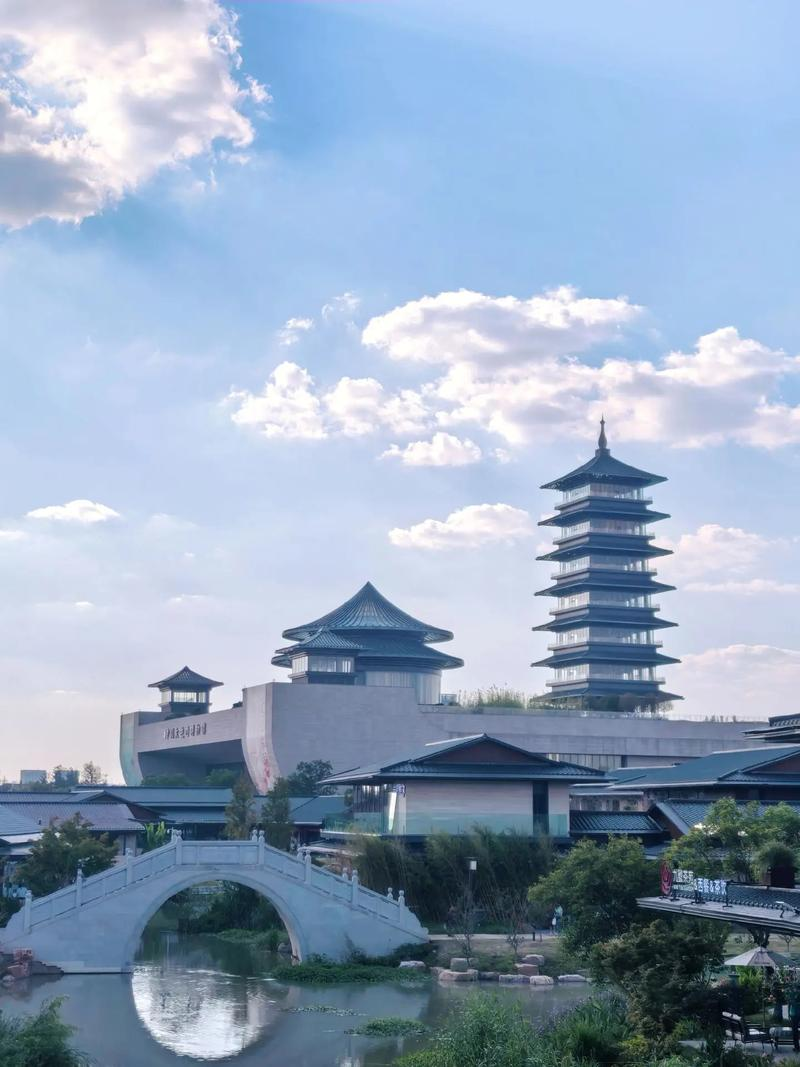
5. Shaoxing (绍兴) – Water Town with a Literary Soul
Train time: ~1 hour 10 minutes
Best for: Canals, rice wine, and Lu Xun
Shaoxing is a city of canals, bridges, and yellow rice wine. It’s also the hometown of Lu Xun, China’s most famous modern writer. You’ll see his childhood home, his school, and the 100-year-old shop where he used to buy snacks.
What to do:
- Lu Xun’s Former Residence (鲁迅故居) – free entry (just register with your passport). See the “three-flavor bookshop” where he studied and the recreated scenes from his essays.
- Canal district – take a traditional boat through the canals of the old town. The riverside streets are lined with wine shops where you can taste local yellow rice wine.
- Shen Garden (沈园) – an ancient garden famous for a tragic love story. Visit at night for the light show.
What to eat: 绍兴黄酒 (Shaoxing yellow rice wine), 臭豆腐 (stinky tofu — the local version is good, trust me), 梅干菜扣肉 (dried vegetable pork belly).
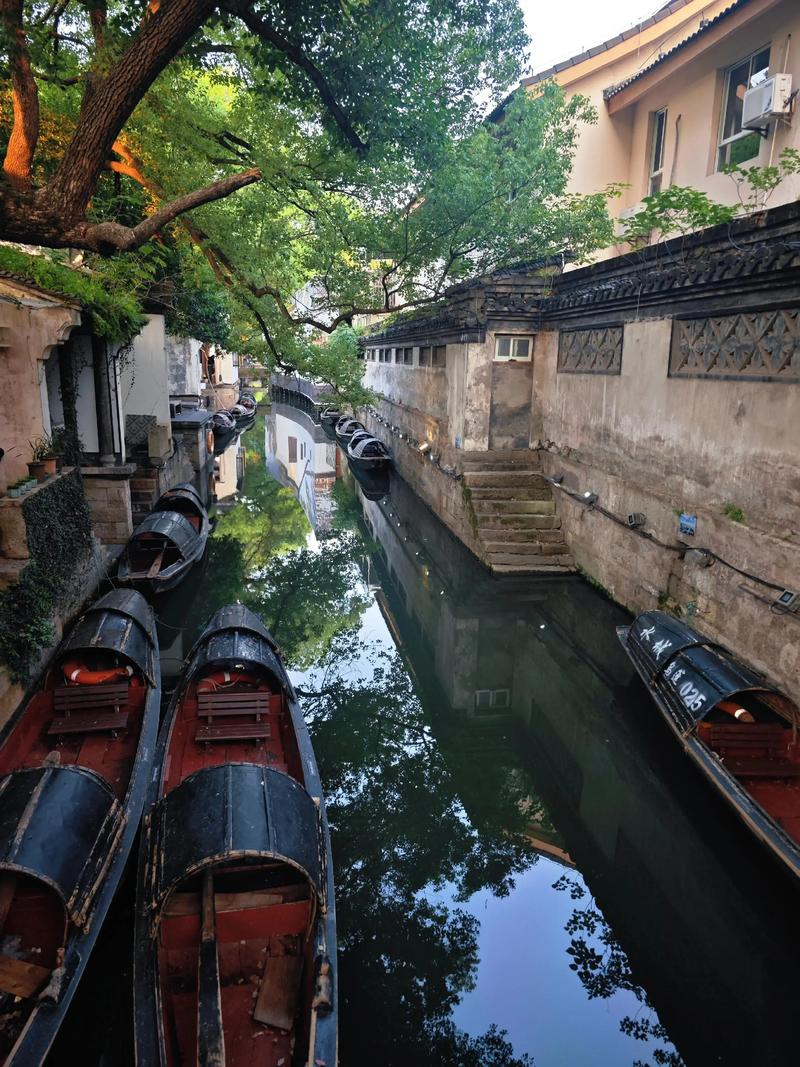
6. Ningbo (宁波) – Sea Views and Mountains
Train time: ~2 hours
Best for: Coastal vibes, hiking, and fresh seafood
Ningbo is an underrated city. It’s got a charming old town, a 1,600-year-old Buddhist temple, and the national forest of Xuedou Mountain — all within reach of Shanghai.
What to do:
- Tianyi Pavilion (天一阁) – the oldest private library in China, founded in 1561. More than 300,000 ancient books are stored here.
- Matsu Temple (妈祖庙) – a massive temple in Beilun, right by the sea.
- Xuedou Mountain (雪窦山) – a national forest park. Hiking, waterfalls, and a giant sitting Buddha statue.
What to eat: 宁波汤团 (Ningbo tangyuan — sesame-filled rice balls), 宁波海鲜 (fresh seafood), 年糕 (rice cakes).
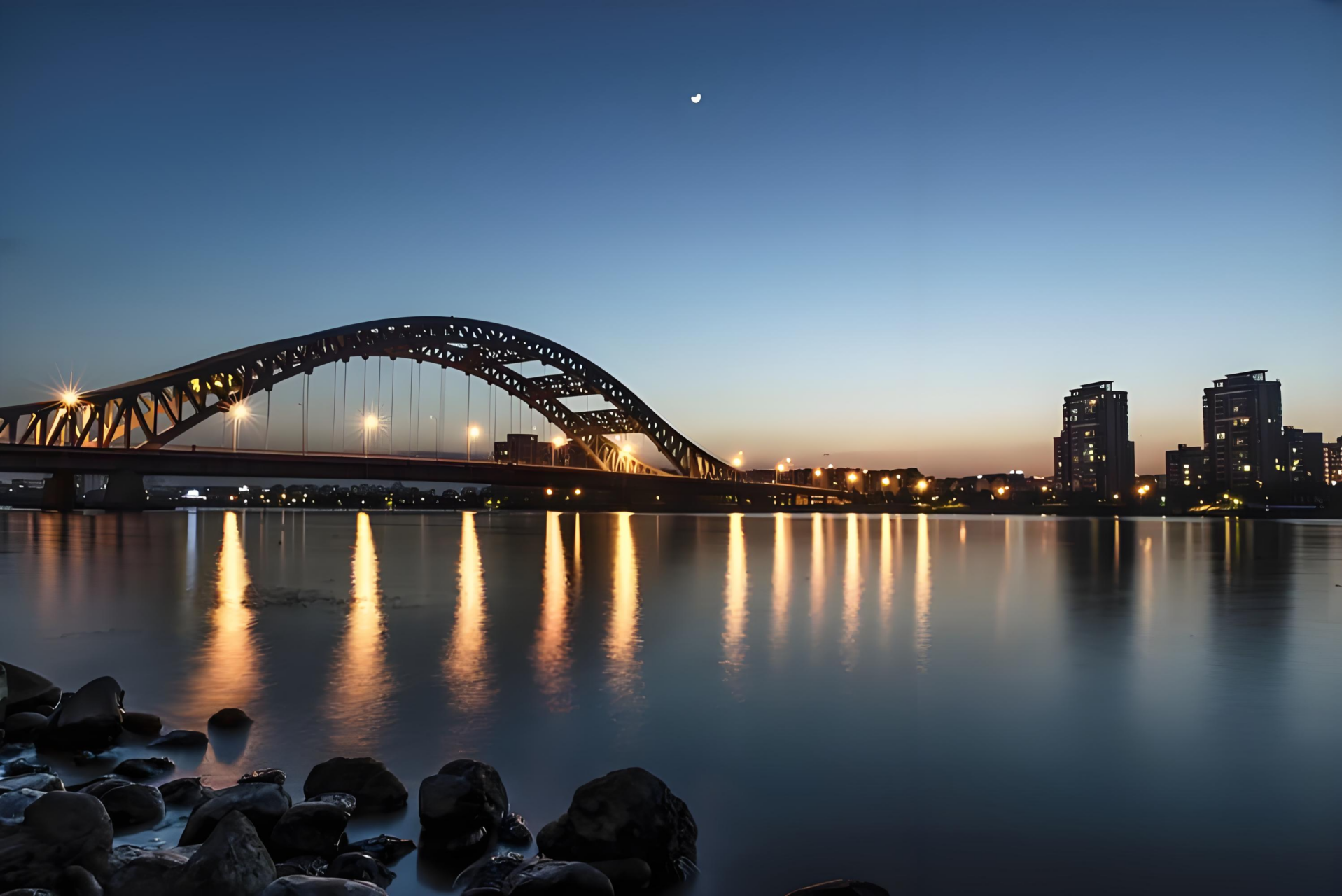
7. Yiwu (义乌) – The World’s Wholesale Capital
Train time: ~1 hour 10 minutes
Best for: Shopping, eclectic markets, and a “Fake Street” experience
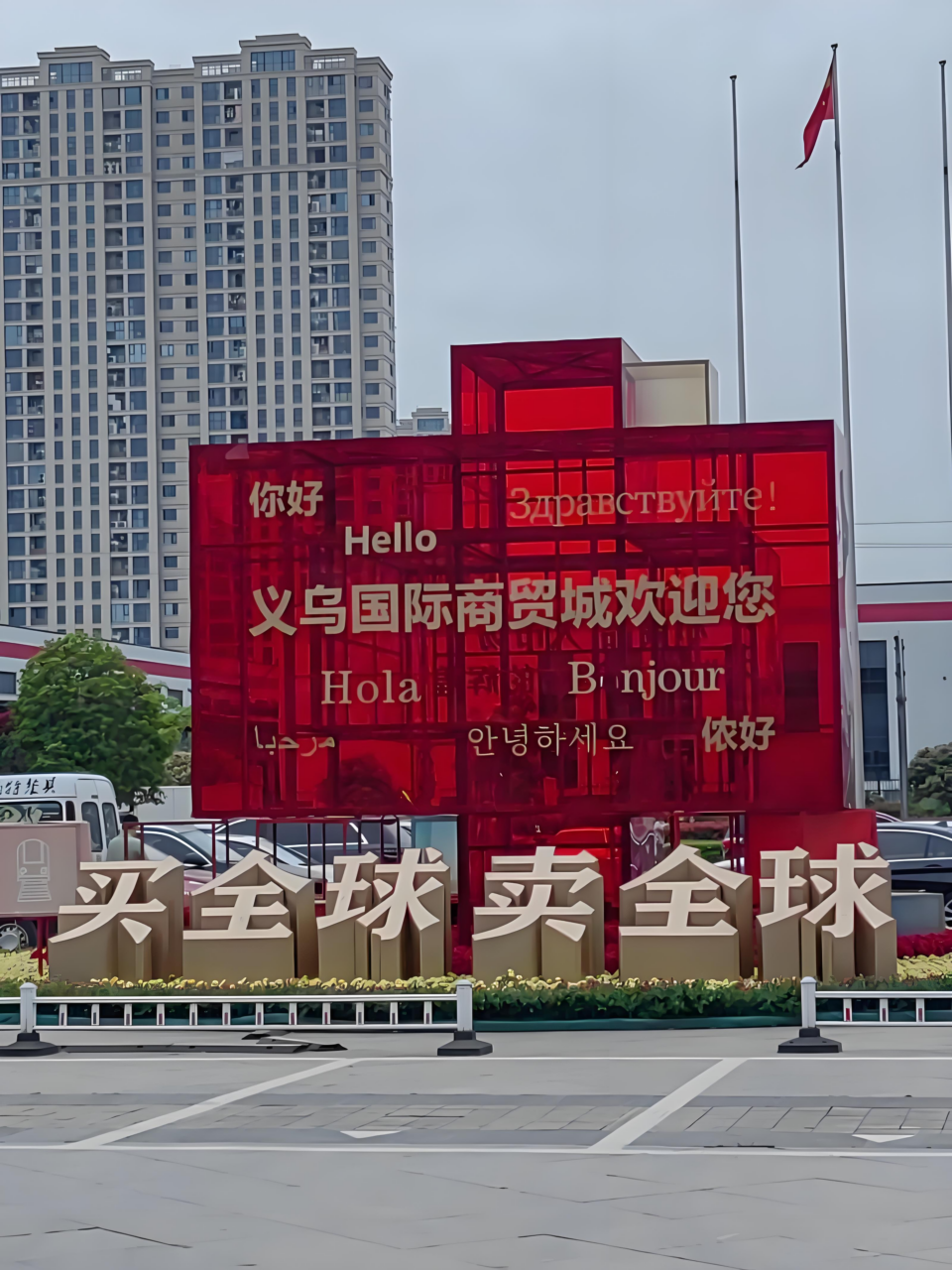
Yiwu is famous for one thing: the world’s largest wholesale market. But for travelers, it offers a surprisingly entertaining day trip — and some of the best street food in Zhejiang. Oh, and they just launched a “night tour” of the markets.
What to do:
- Yiwu International Trade City (义乌国际商贸城) – the largest wholesale market on earth. Five districts. 75,000 booths. You could spend a week here and still miss half of it.
- Guangdong Street (佛堂老街) – a lively shopping street with incredible street food, including Donghe meat pancakes and thousand-layer noodles.
- “Fake street” – Shanghai isn’t the only place to find knock-offs. Yiwu is the supplier for those shops, so the prices are even lower.
What to eat: 东河肉饼 (Donghe meat pancake), 佛堂千张面 (thousand-layer noodles), any and all street food.
FAQ:
1️⃣ What is the best time to visit Shanghai’s surrounding cities?
Spring (March-May) and autumn (September-November) are the best. The weather is comfortable, and the scenery is at its best — cherry blossoms in spring, golden leaves in autumn. Summer can be hot and humid; winter is chilly but less crowded.
2️⃣ Do I need a visa for these trips to Shanghai’s surrounding cities if I’m on a visa-free entry to China?
No. All of these cities are within mainland China. If you have legally entered China (on a tourist visa or visa-free entry), you are free to travel to any of these destinations by train. Just bring your passport. Here’s an official update on China’s visa-free entry policies.
3️⃣ Which city is best for a single-day trip from Shanghai?
Suzhou and Wuzhen are both within 1 hour and can be done as day trips. If you want a more relaxed pace, spend the night in Wuzhen or Hangzhou.
4️⃣ Can I pay with a foreign credit card at train stations and restaurants in China?
For train tickets, check our guide on how to book high-speed train tickets in China.
For restaurants, small shops prefer Alipay or WeChat Pay. Link your foreign credit card to Alipay before you travel. Cash works everywhere.
5️⃣ Are these Shanghai’s surrounding cities crowded during weekends?
Yes — especially Suzhou, Hangzhou, and Wuzhen on Saturdays. If you can, travel on a weekday. If you must go on a weekend, book your train tickets 2-3 days in advance and arrive at the attractions early (before 9 AM).
🚴Explore Shanghai beyond the skyscrapers on our bike tour — through local neighborhoods, past hidden temples, with street food stops you won’t find in any guidebook.🚴
✨You’re reading a blog from Our Beijing ✨
We design authentic adventures for travelers who want to dive deeper
— cycling through hutongs, tasting Beijing’s favorite snacks, and hiking the wild, unrestored Great Wall.
Back to blog