Stories from our Beijing
What to Wear in Beijing in Winter: A Practical Packing Guide
November 5, 2026
Wondering what to wear in Beijing in winter? Think warm layers, a proper down jacket and shoes with grip. Beijing winters are cold, dry and often sunny. The wind can bite, yet indoors it is usually toasty. So the trick is to dress in layers you can add or peel off all day.
Quick answer: For what to wear in Beijing in winter, pack thermal base layers, a fleece or wool mid layer and a warm down jacket. Add a hat, gloves, a scarf and warm, waterproof shoes with good grip. Bring lip balm and moisturiser for the dry air, and wear layers you can remove indoors.
We live and work in Beijing, and we head outside all year round. This guide covers what we would pack ourselves. It works for city sightseeing, bike rides and winter hikes on the Great Wall. For a wider look at the season, see our guide to winter in Beijing.
How cold is Beijing in winter?
Cold, especially in the mornings and evenings. January is the coldest month. China Meteorological Administration data on the WMO World Weather Information Service shows an average January low of −9.4°C. The average high is just 1.6°C.
| Month | Average high | Average low |
|---|---|---|
| November | 10.1°C | −0.4°C |
| December | 3.3°C | −6.9°C |
| January | 1.6°C | −9.4°C |
| February | 4.0°C | −6.9°C |
The good news is that winter is also bright and dry. In fact, Weather Spark names December as the clearest month of the year, and snow is fairly rare. However, the winter wind usually blows from the north. So cold days can feel much colder than the thermometer suggests.
What to wear in Beijing in winter: the layering system
Layers beat one huge coat. You will move between icy streets, warm metro carriages and heated restaurants. Layers let you stay comfortable in all three. Here is the simple system we use.
1. Thermal base layer
Start with thermal long-sleeved tops and leggings. Merino wool or synthetic fabrics work best, because they keep you warm even when you sweat. Cotton, on the other hand, stays damp and cold.
2. Warm mid layer
Next, add a fleece, a wool jumper or a light padded jacket. On milder days, this layer and a windproof shell may be enough.
3. Down jacket
Finally, bring a proper down jacket. Locals wear long, padded coats for good reason. A hood is a bonus on windy days, and a longer cut keeps your legs warmer too.
Hats, gloves, shoes and other winter essentials
Hands, feet, ears and faces feel the cold first, so cover them well. Here is our checklist for what to wear in Beijing in winter:
- Warm hat that covers your ears.
- Gloves, ideally touchscreen-friendly, since you will use your phone for maps and payments.
- Scarf or neck gaiter to block the wind.
- Warm, waterproof shoes with a grippy sole. Pavements can be icy, and thin trainers let the cold in.
- Thick socks, plus a spare pair for long days.
- Hand warmers. Stick-on heat packs (暖宝宝, nuǎnbǎobǎo) are sold in many convenience stores and pharmacies.
- Lip balm and a rich moisturiser for the very dry air.
- Sunglasses and sunscreen, because winter skies are often clear.
Also, cold weather drains phone batteries faster. So keep your phone in an inside pocket and carry a power bank. Our guide to what apps you need for China explains why your phone matters so much here.
Wind chill and dry air in Beijing
The wind is what catches most visitors out. Wind chill describes how cold the air feels on exposed skin. For example, take a −9°C morning with a 20 km/h wind. Using the US National Weather Service wind chill formula, that feels like about −17°C.
So cover your face, ears and fingers on windy days. If skin turns numb, white or tingly, get indoors and warm up gently. The NHS guide to frostbite explains the warning signs.
Meanwhile, the air is very dry in winter. As a result, lips crack and skin tightens quickly. Moisturise morning and night, use lip balm often and drink plenty of water, even when you do not feel thirsty.
Indoor heating: dress so you can peel off layers
Beijing is cold outside but often warm inside. Central heating usually runs from mid-November to mid-March. Metro carriages, museums, malls and restaurants can feel hot in a big coat.
That is why layers matter so much. For example, wear a zip-up mid layer rather than a heavy jumper. Then you can open it on the metro and close it again outside. A small backpack also helps, so you can stash your hat and gloves.
Air quality in winter
Check the air quality index (AQI) before you head out. Winter can bring some hazy days, although clear, blue-sky days are common too. Apps and sites such as IQAir (AirVisual) and the World Air Quality Index for Beijing show live readings.
On a high AQI day, plan more time indoors. Many people also wear a well-fitting mask outdoors. Then save your big outdoor plans for a clearer day, which often follows a windy one.
What to wear for outdoor experiences in winter
Winter is a great time to get outside in Beijing, as long as you dress for it. Here is what we suggest for our most popular outdoor experiences.
Bikes and scooters in the hutongs
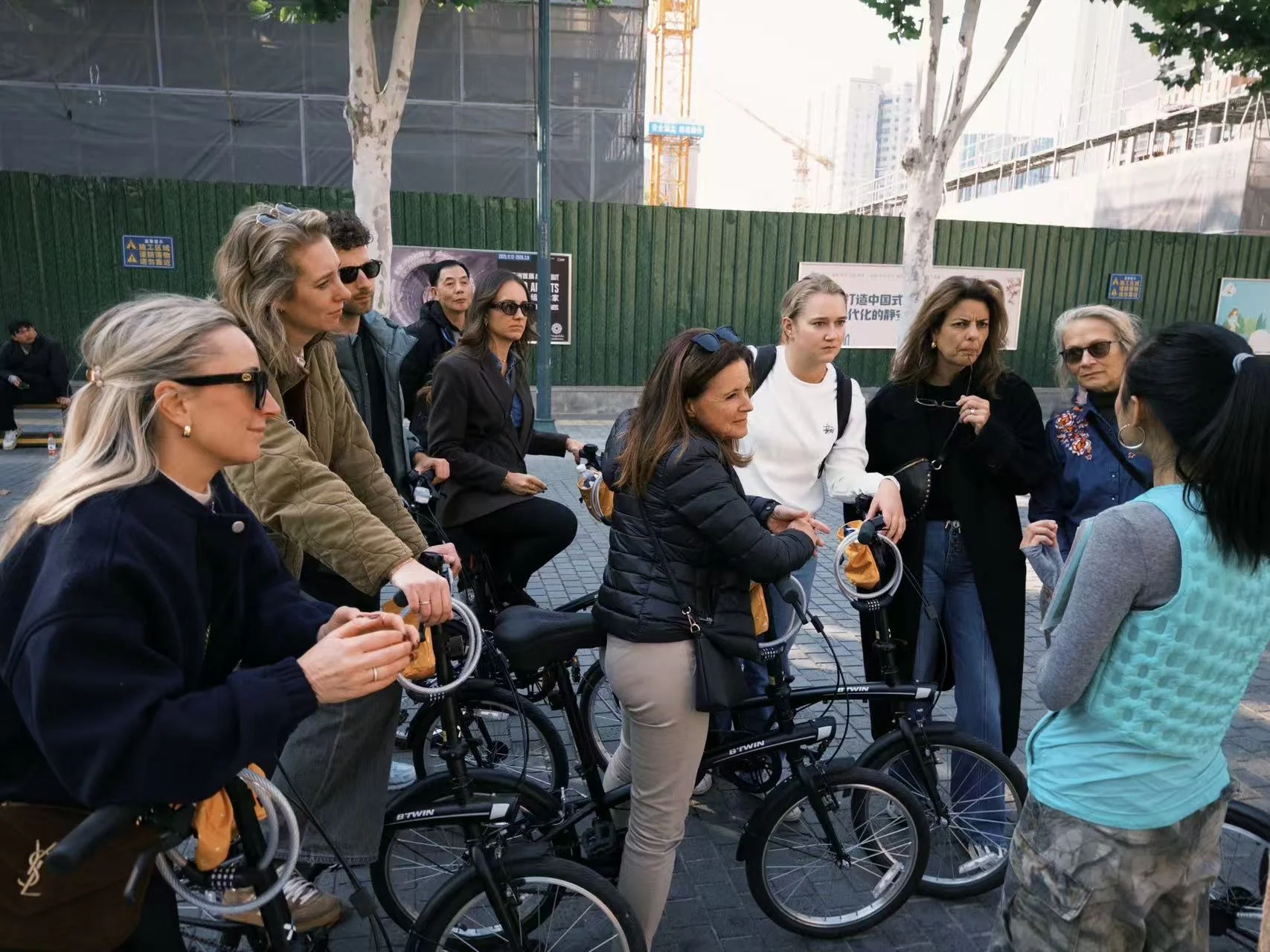
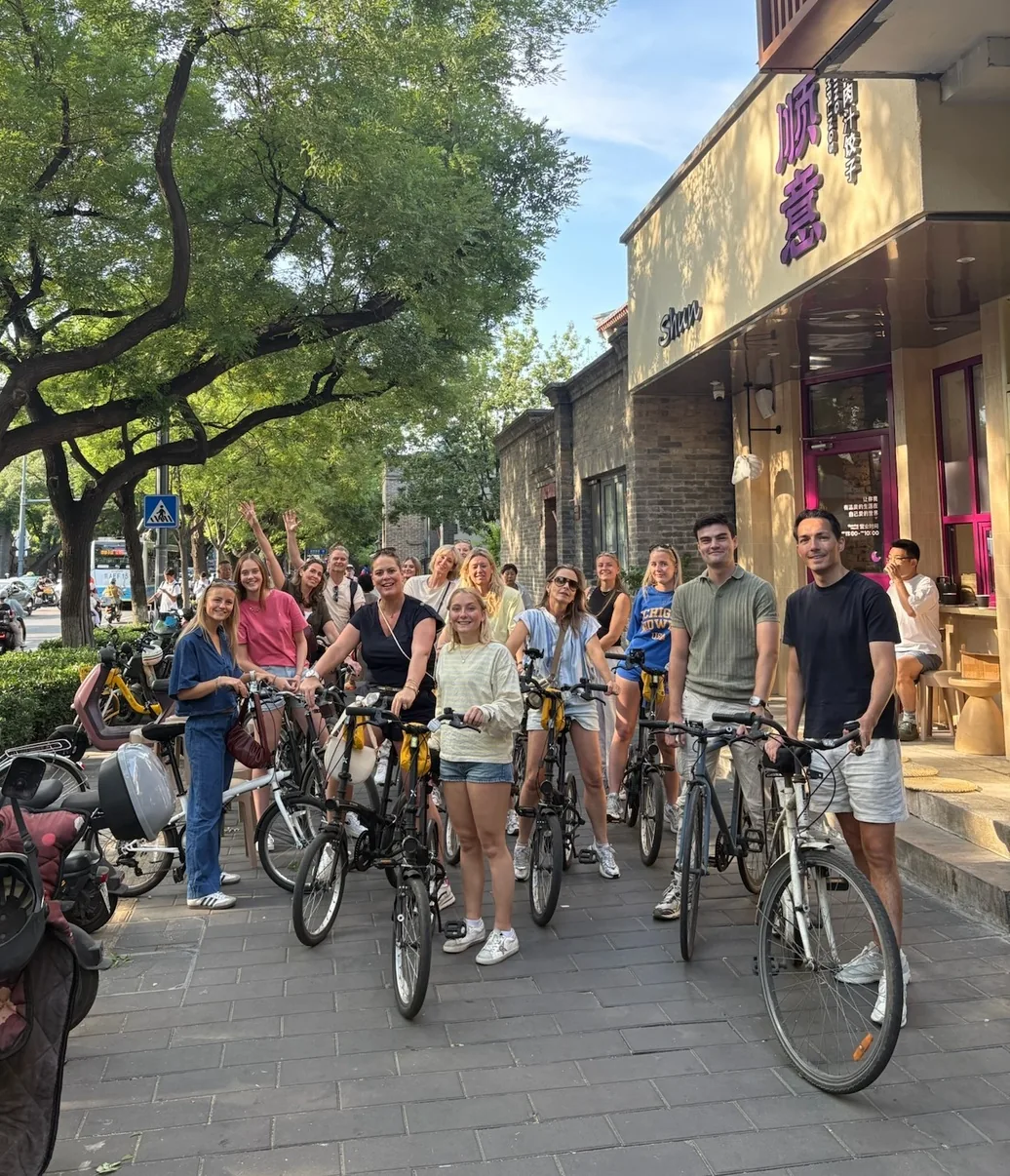
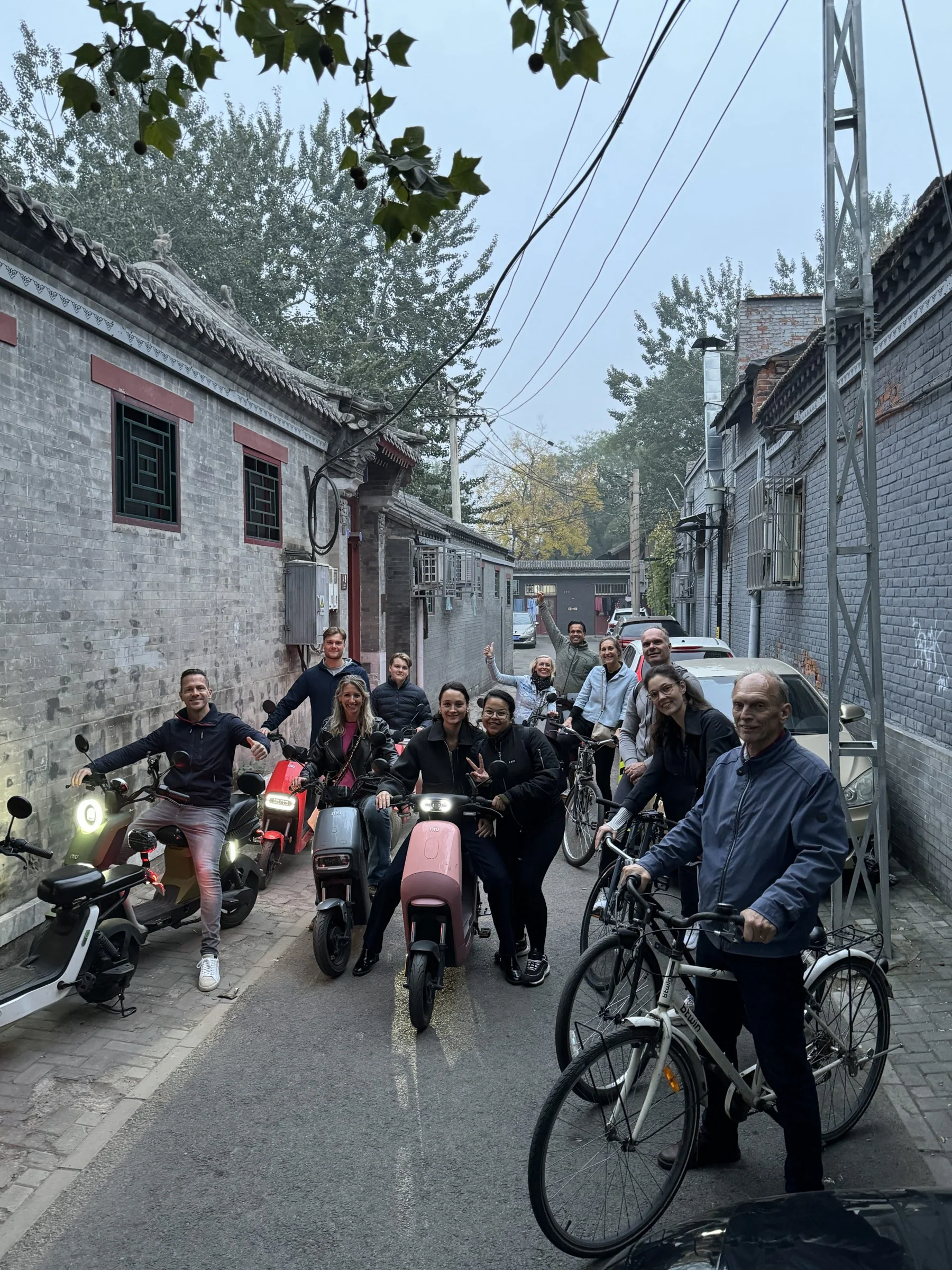
Riding creates its own wind, so a bike ride feels colder than a walk. That changes what to wear in Beijing in winter on two wheels. Wear windproof gloves, because hands get cold first on the handlebars. Add a thin hat or headband that fits under a helmet, plus a scarf or neck gaiter.
On The Hutong Experience, you can ride a bicycle or an electric scooter. Helmets for bikes are provided, and we ask everyone to wear one. For scooters, helmets are compulsory. The Hutong Experience runs all year. Our longer city rides, Imperial Beijing and Modern Beijing, take a break in the coldest months, as the distances are too long to enjoy in the chill.
The wild Great Wall in winter
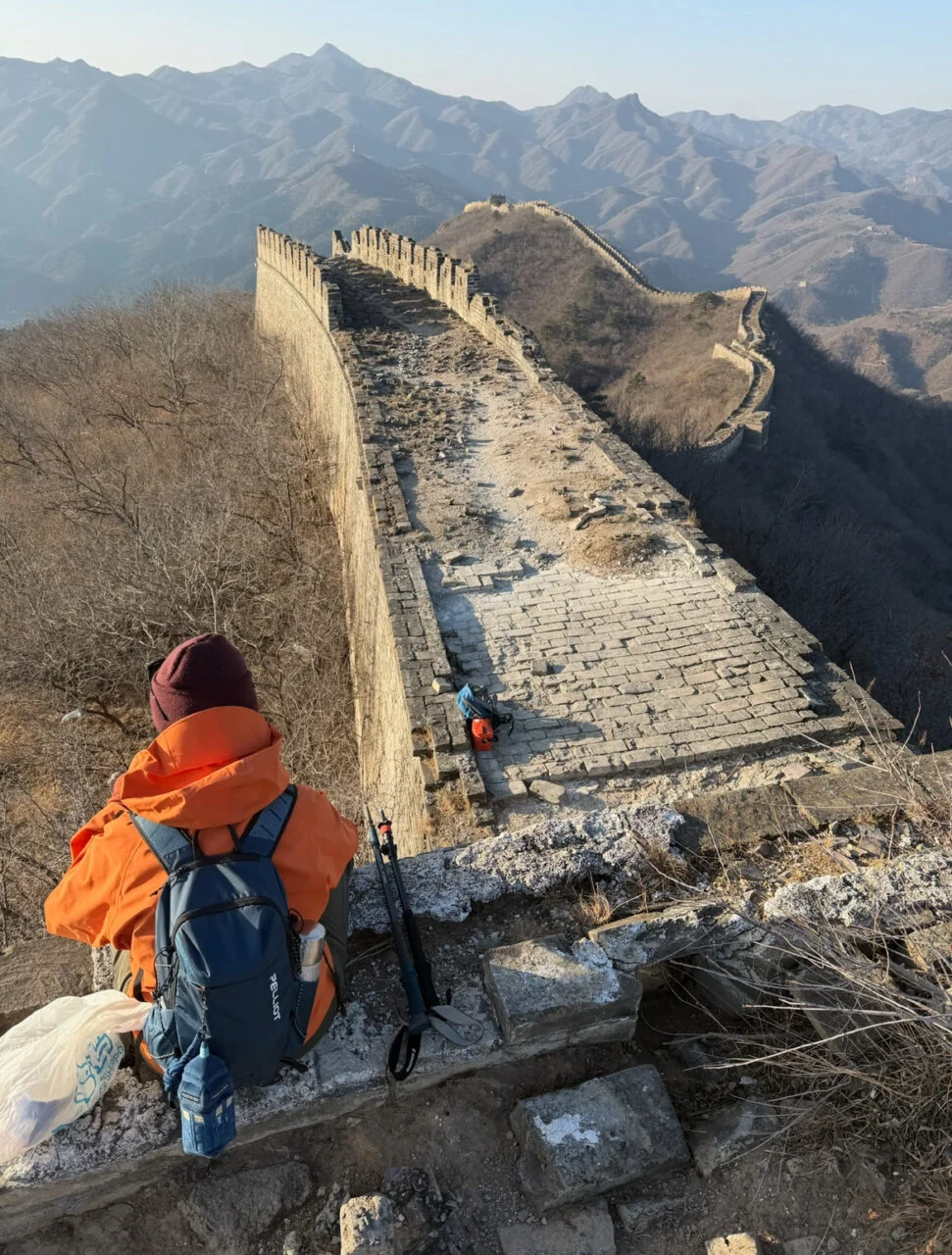
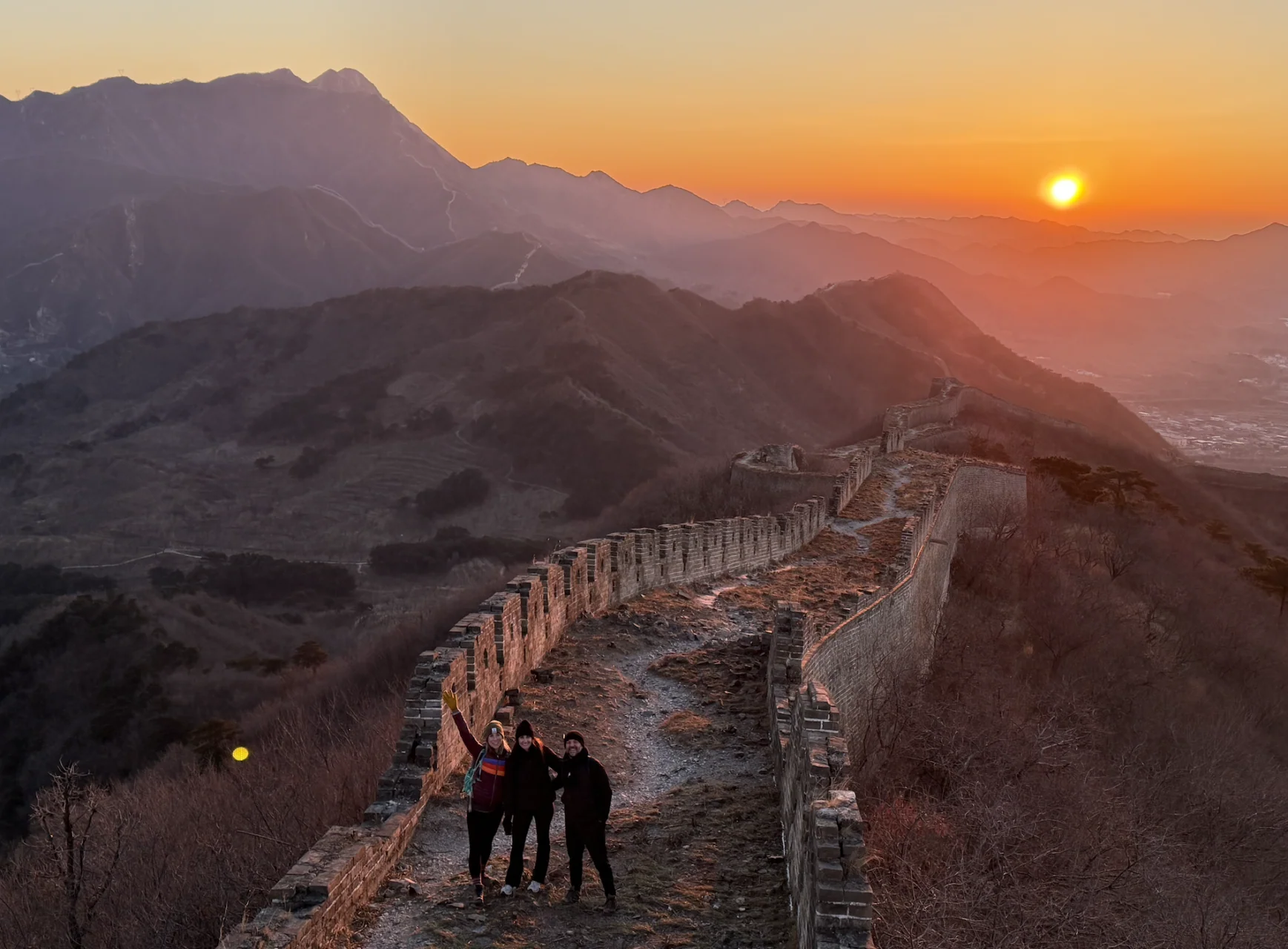
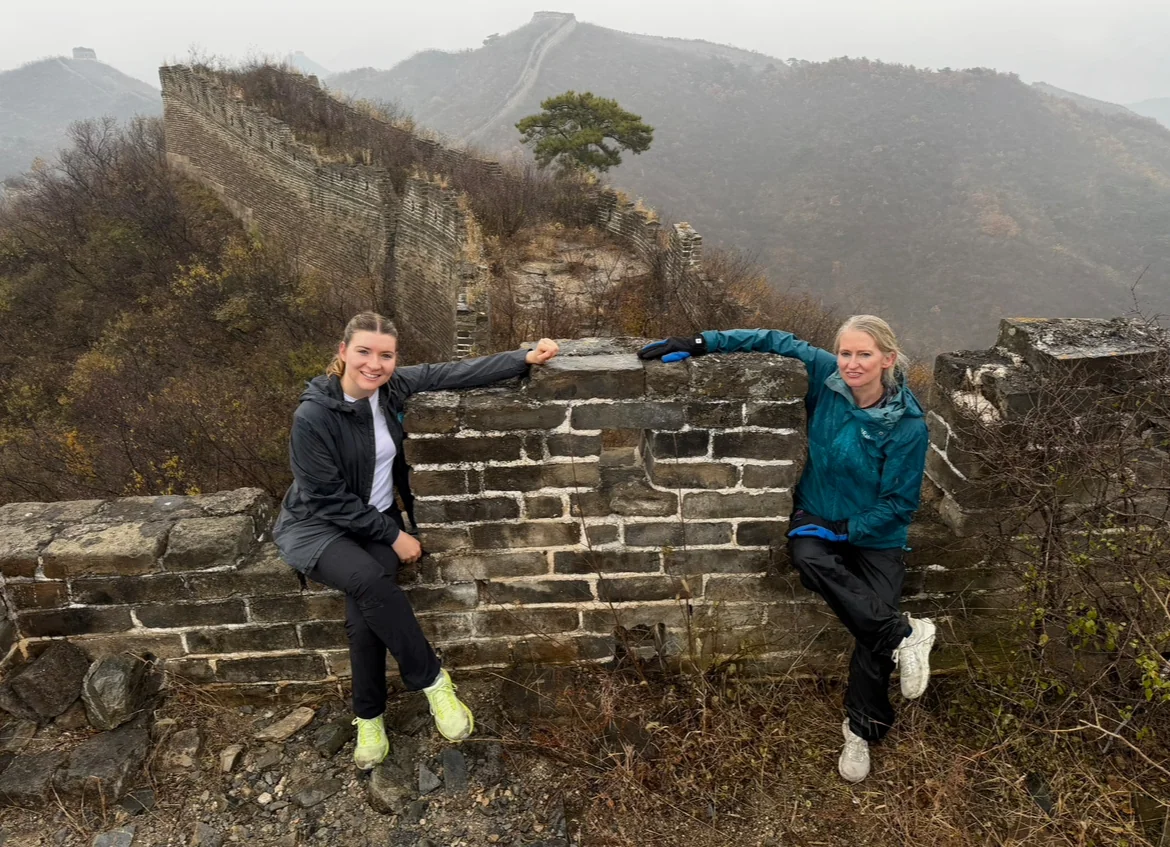
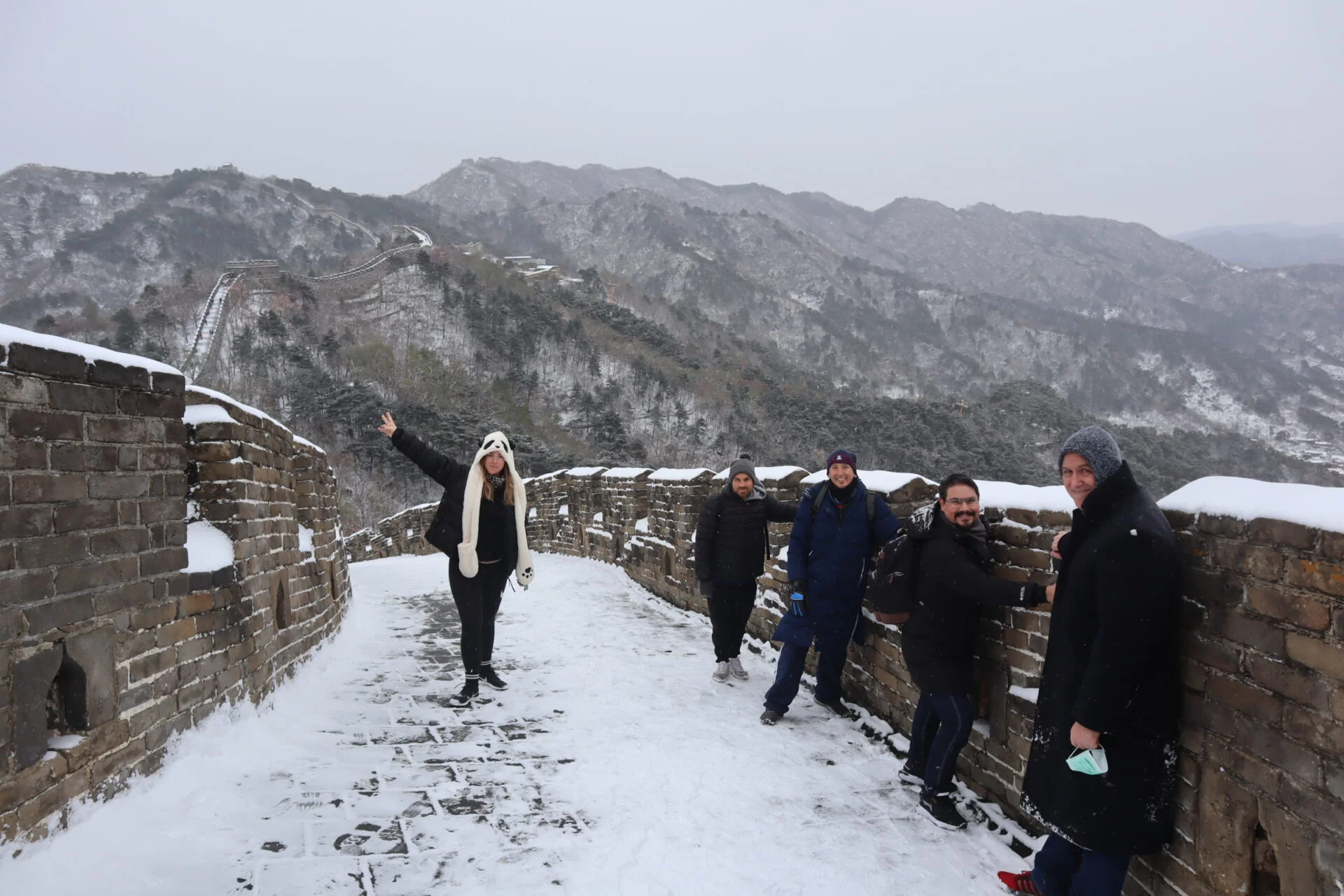
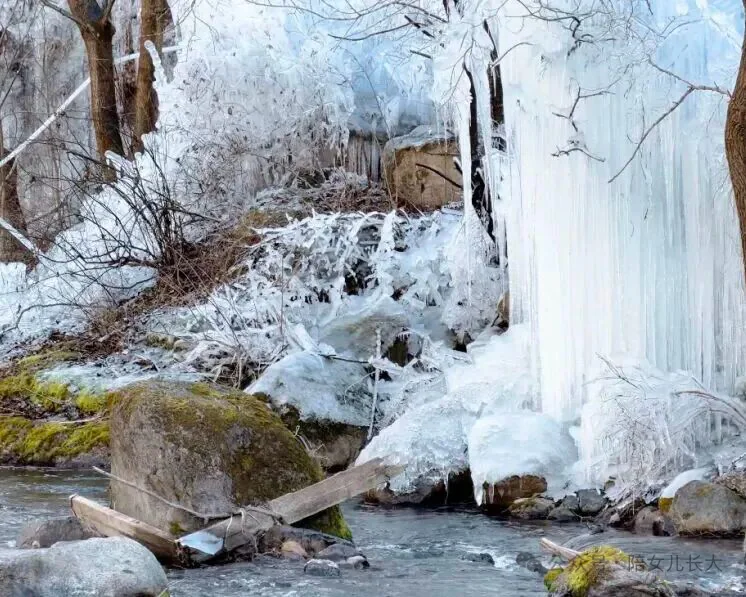
The wild, unrestored Wall is beautiful in winter, but it can be icy. Wear hiking boots with a strong, grippy sole, and avoid smooth-soled shoes. Bring all three layers, because you will warm up on the climbs and cool down fast on the ridges.
Pack water, snacks, sunglasses and spare gloves too. On our Frozen River & Wild Great Wall Hike, ask us about footwear and traction equipment before the day. Our Huanghua Wild Great Wall Hike also needs shoes with reliable grip. For more on safety, read is the wild Great Wall safe?.
Street food and hutong walks
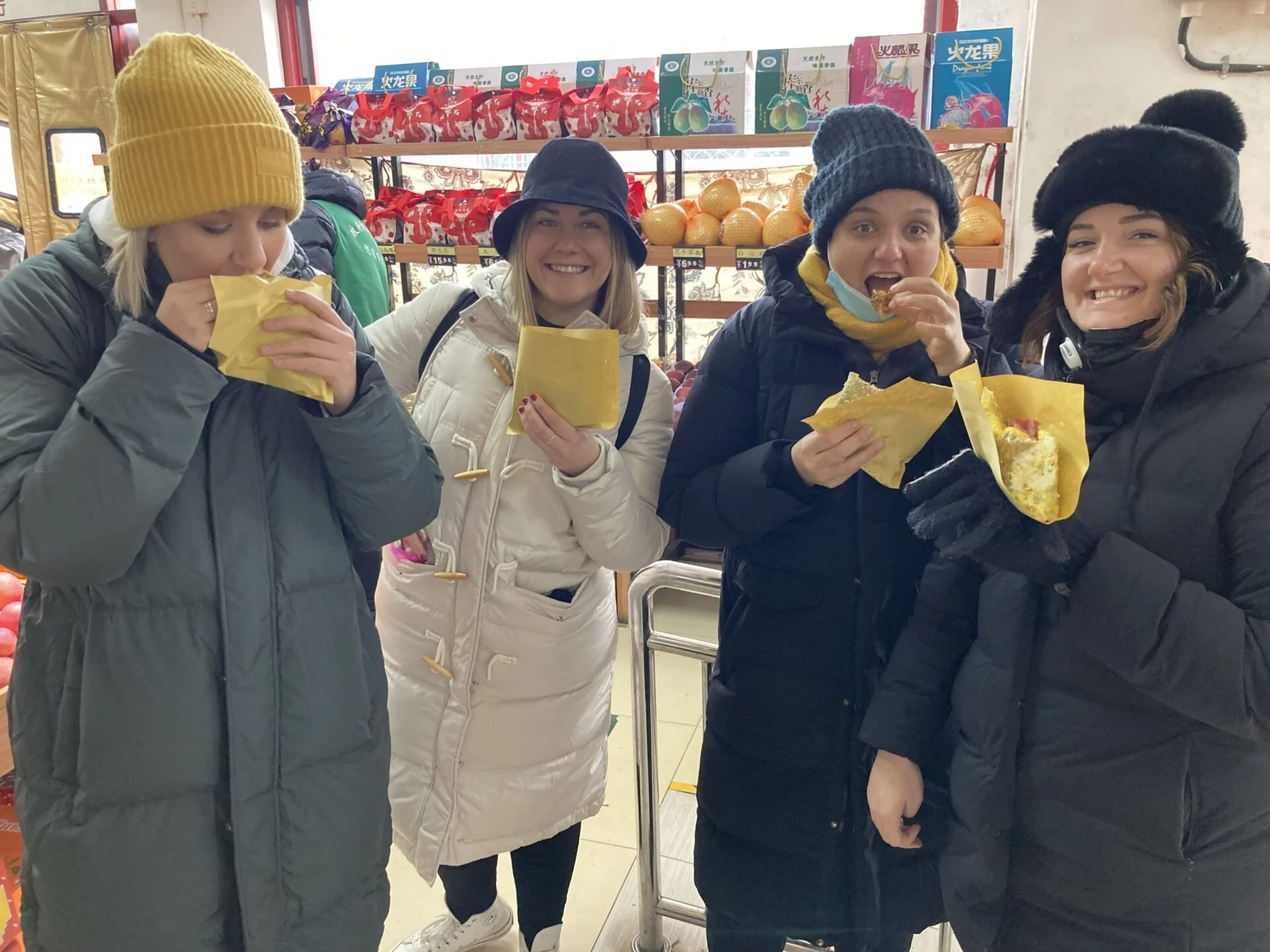
Walking experiences mean plenty of standing still, so warm feet matter most. Wear thick socks and insulated shoes. Also, choose gloves you can slip off easily to eat. Luckily, hot snacks help, and a steaming bowl warms your hands nicely.
Our Street Food Discovery runs on foot, by bike or by scooter. Meanwhile, the Old Beijing Hutong Walk explores the lanes on foot. In both cases, dress for the cold and bring a hat.
Where to buy winter clothes in Beijing
Forgot something? Do not worry, because Beijing makes it easy to buy winter gear. Uniqlo has many branches across the city, so it is a handy place for thermals, light down jackets and fleeces. For hiking boots, gloves and outdoor layers, try Decathlon.
Shopping malls also sell hats, scarves and hand warmers. In addition, convenience stores and pharmacies stock lip balm and moisturiser. Online shops can also deliver to your hotel, if you have the right apps set up.
Can I join an Our Beijing experience in winter?
Yes, and winter has its own magic. Clear skies, quiet lanes and frosty mountain views make it one of our favourite seasons. The Hutong Experience, our hikes, trail runs, scavenger hunts, team building and street food and wine experiences all run through winter. Our frozen river hikes only happen in the coldest weeks, so the window is short and special. The longer Imperial Beijing and Modern Beijing rides pause for the cold.
Still unsure what to wear in Beijing in winter for your experience? Tell us your plans and we will advise. If you also love autumn colours, read our guide to autumn leaves in Beijing.
Prefer the mountains? Message us about a winter hike on the wild Great Wall.
Related reading: Winter in Beijing · Is the wild Great Wall safe? · Frozen River & Wild Great Wall Hike
FAQs: what to wear in Beijing in winter
What should I wear in Beijing in winter?
Wear thermal base layers, a fleece or wool mid layer and a warm down jacket. Add a hat, gloves, a scarf and warm, waterproof shoes with good grip.
How cold does Beijing get in winter?
January is the coldest month, with an average low of −9.4°C and an average high of 1.6°C, according to China Meteorological Administration data. Wind can make it feel much colder.
Does it snow in Beijing in winter?
Sometimes, but not often. Beijing winters are usually dry and sunny, so cold and wind are bigger issues than snow.
Do I need a down jacket for Beijing?
From December to February, yes. A warm down jacket is the easiest way to stay comfortable, especially on windy days or outdoor experiences.
Can I buy winter clothes in Beijing?
Yes. Uniqlo and Decathlon are handy for thermals, down jackets and outdoor gear. Convenience stores and pharmacies sell hand warmers and lip balm.
✨You’re reading a blog from Our Beijing ✨
We curate experiences for adventurous travellers who want something different.
—imagine riding through old Beijing hutongs, tasting our favourite street food snacks, or if you’re a top adventure seeker, hiking the wild, unrestored Great Wall.