Stories from our Beijing
Gluten Free in China: Practical Advice for Coeliac Travellers
October 31, 2026
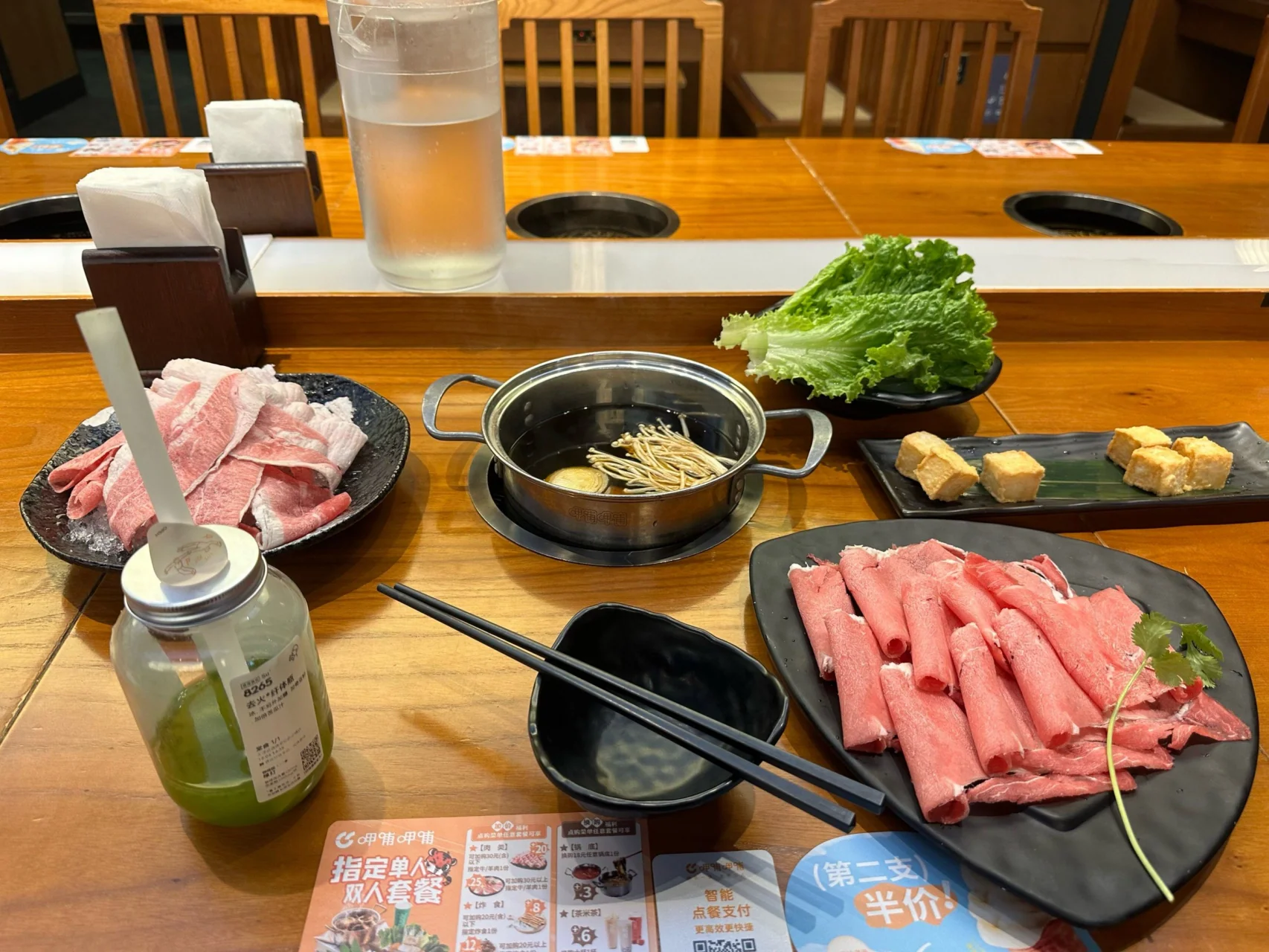
Eating gluten free in China takes preparation, particularly if you have coeliac disease. Rice, meat and vegetables may be naturally gluten free, but sauces, stock, marinades and shared preparation can introduce gluten. Ordering a plain dish or asking for salt instead of soy sauce is not enough on its own.
Quick answer: Check ingredients and preparation with the kitchen every time. Ask about shared cooking water, oil, equipment and utensils, not just wheat in the recipe. A Mandarin card can help explain your needs, but it cannot guarantee a suitable meal. If the kitchen cannot confirm how your food will be prepared, choose another option.
Our earlier guide to gluten free food in Beijing has been one of our most-read posts, so clearly plenty of you are planning around it. That is why we have written this wider guide to eating safely across China, with a focus on Beijing, where we live and work.
Our suggestions draw on our experience with family members with coeliac disease and guests travelling in Beijing. They are practical starting points, not medical advice or guarantees of food safety. We do not control restaurant kitchens or their ingredients and preparation. You need to discuss your requirements directly with the kitchen and decide whether to eat based on the information they provide and your own medical advice. If you are unsure, do not eat the dish.
Is it easy to eat gluten free in China?
It is possible, but it is rarely easy. Gluten is not a familiar idea in most Chinese kitchens. As a result, a cook may happily leave out the noodles yet still add a splash of soy sauce.
The north is also harder than the south. In Beijing, for example, wheat noodles, dumplings and steamed buns are everyday staples. Further south, by contrast, rice plays a bigger role.
Gluten in wheat, barley and rye triggers coeliac disease, as the NHS explains. Therefore, you need to think about ingredients, not just dishes.
Where does gluten hide in Chinese food?
The biggest culprit is ordinary soy sauce, because it is brewed with wheat. In fact, China’s national standard for soy sauce lists wheat or wheat flour as a raw ingredient. Here are the main ones to watch:
| Ingredient | Chinese | Where you’ll find it |
|---|---|---|
| Soy sauce | 酱油 (jiàngyóu) | Stir-fries, braises, marinades, dips |
| Oyster sauce | 蚝油 (háoyóu) | Greens, beef and noodle dishes |
| Chilli bean paste | 豆瓣酱 (dòubànjiàng) | Mapo tofu, Sichuan dishes, hotpot |
| Sweet bean sauce | 甜面酱 (tiánmiànjiàng) | Peking duck, zhajiang noodles, jianbing |
| Wheat gluten | 面筋 (miànjīn) | Mock meat in vegetarian dishes |
| Wheat flour | 面粉 (miànfěn) | Noodles, dumplings, buns, batters |
| Black vinegar | 香醋 (xiāngcù) / 陈醋 (chéncù) | Dumpling dips, cold dishes |
Cooking wine can contain wheat, too. Meanwhile, cross-contact is common. For instance, noodle shops often boil wheat and rice noodles in the same water. Cooks also tend to wipe woks rather than wash them.
Which dishes can I ask a kitchen to adapt?
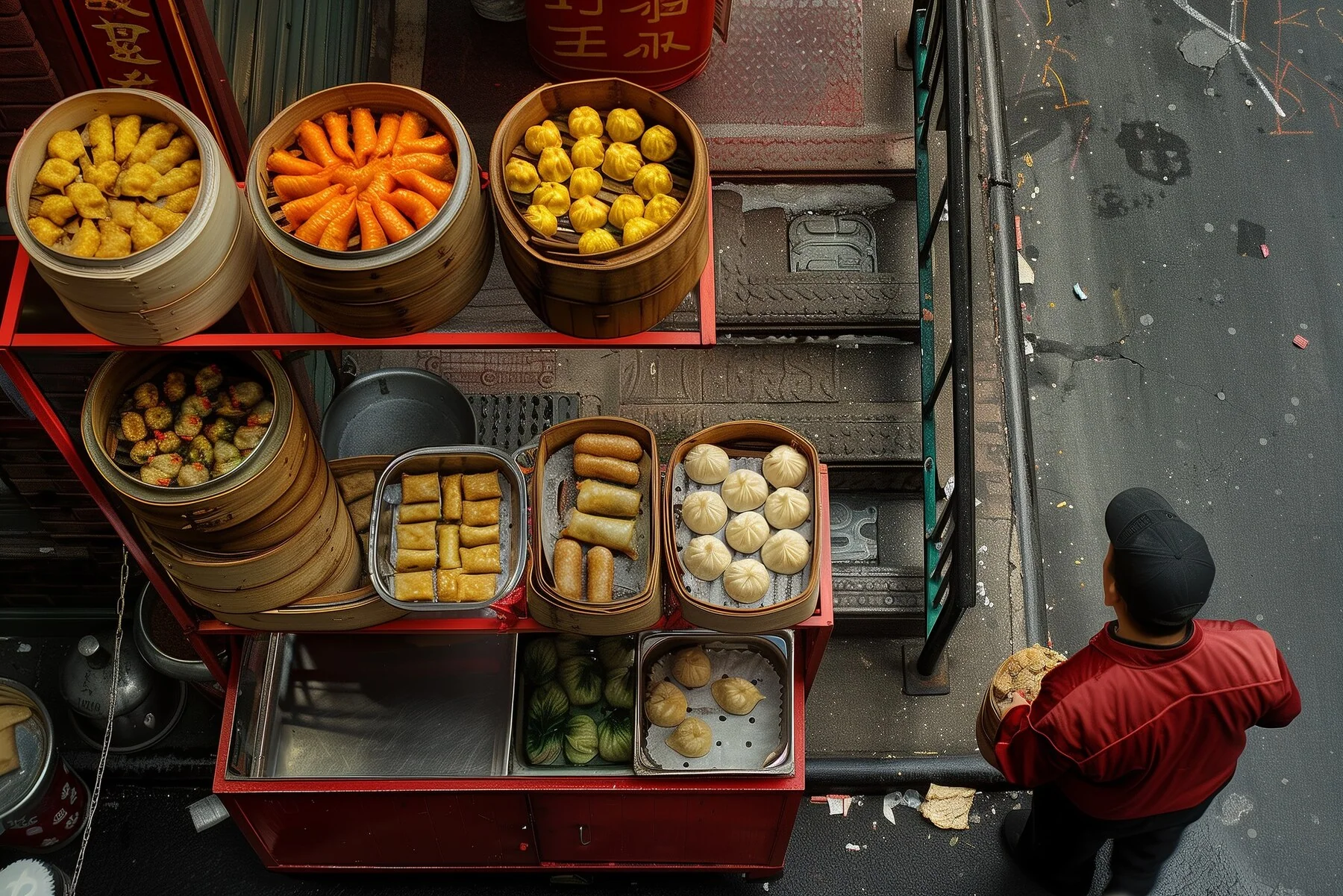
These are dishes to discuss with the kitchen, not a list of guaranteed coeliac-safe meals. Check every ingredient, including stock, seasonings and sauces, and ask how the kitchen will avoid cross-contact. Salt-only seasoning does not address shared equipment or preparation.
- Plain steamed rice (白米饭) and plain rice porridge (白粥).
- Steamed fish (清蒸鱼) with ginger and spring onion, but without the soy dressing.
- Tomato and egg stir-fry (番茄炒蛋), a much-loved home-style dish.
- Garlic greens (蒜蓉青菜), cooked with oil, garlic and salt.
- Rice noodles (米粉 or 米线), as long as they are pure rice and cooked in fresh water.
- Fresh fruit, which is cheap, delicious and sold almost everywhere.
There is good news, too. Glutinous rice (糯米) contains no gluten at all. Instead, the name simply describes its sticky texture.
Can coeliacs eat hotpot, jianbing and Peking duck?
Hotpot
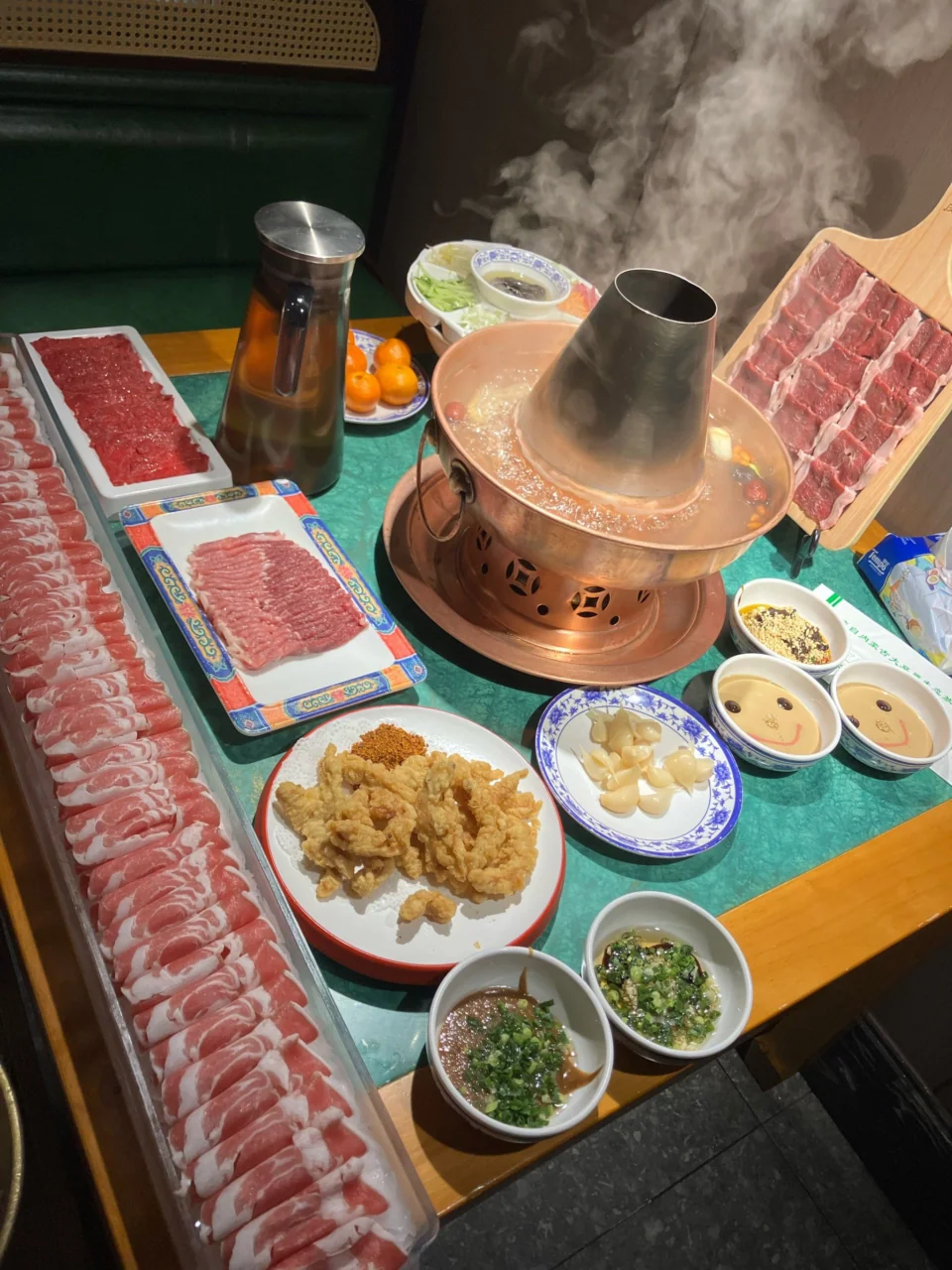
A clear or mild hotpot broth is not automatically gluten free. Ask the kitchen to check the broth, seasonings, ingredients and dipping sauces, and explain how they will prevent cross-contact from shared pots, utensils and other diners’ food. Choose another meal if they cannot confirm this. Our hotpot guide is for general inspiration, not a verified list of coeliac-suitable venues.
Jianbing
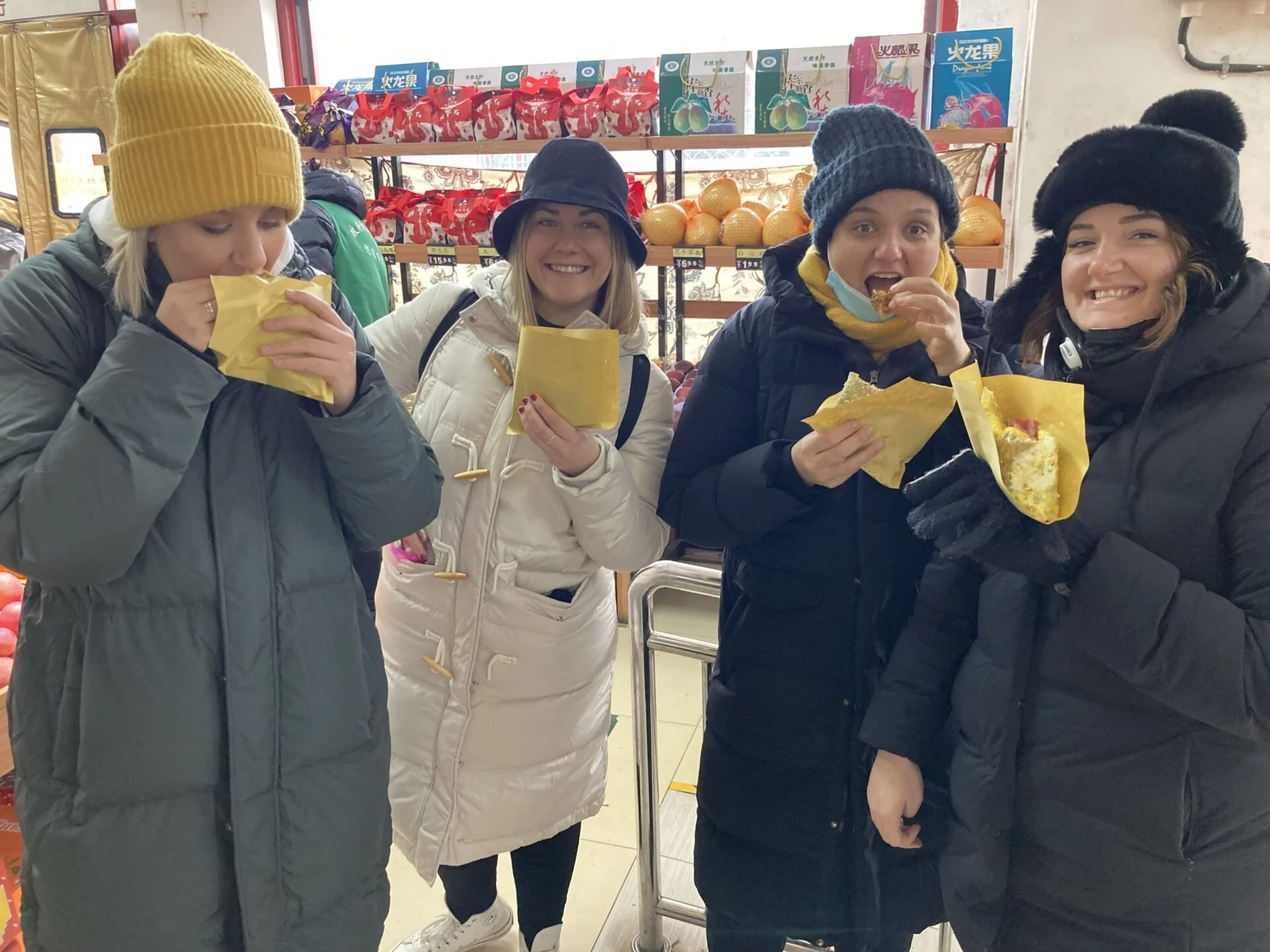
Traditional jianbing commonly includes wheat in the batter, crispy cracker or sauces. Shared cooking surfaces and utensils also need to be considered. Do not assume that omitting one ingredient makes it suitable for coeliac disease.
Peking duck
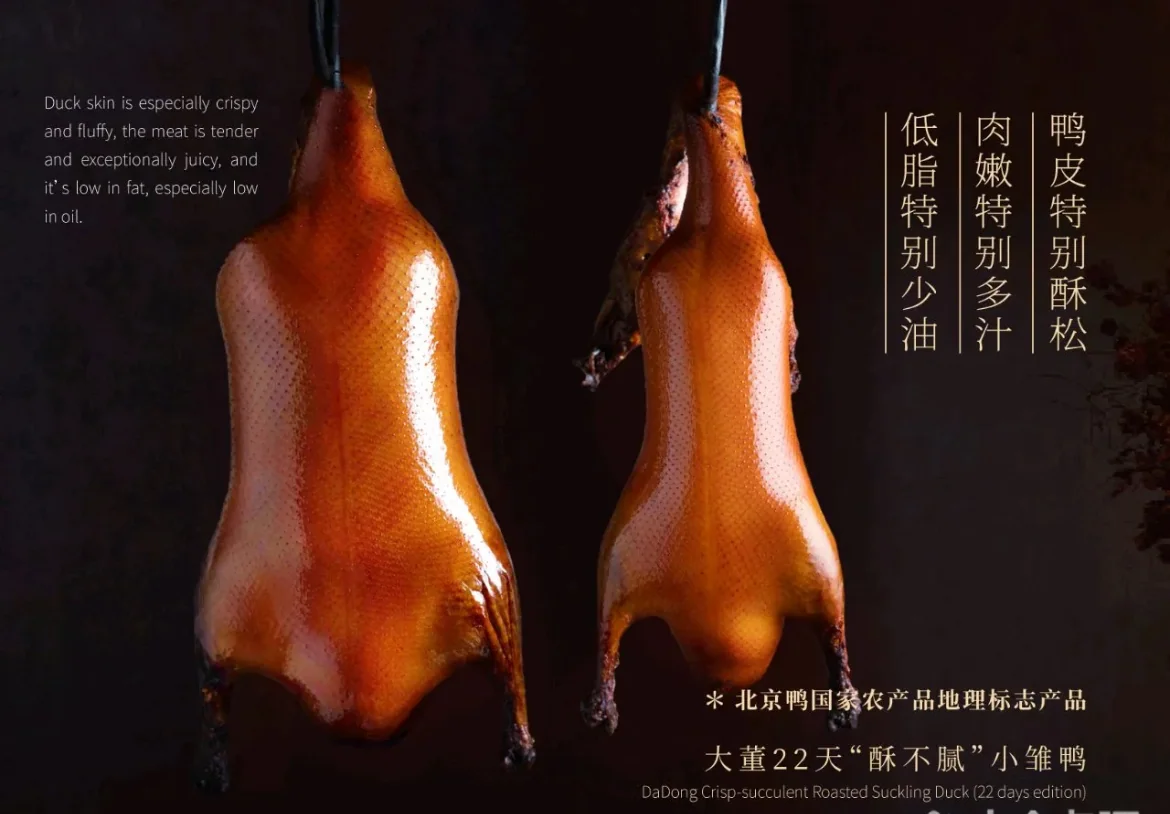
Skipping the pancakes and dipping sauce does not establish whether Peking duck is suitable for coeliac disease. Ask about ingredients used on the duck itself and during preparation, as well as carving surfaces and utensils. Lettuce is an alternative wrapping, not a safety guarantee. Our Peking duck guide is not a coeliac-safety assessment of those restaurants.
How do I explain coeliac disease in Mandarin?
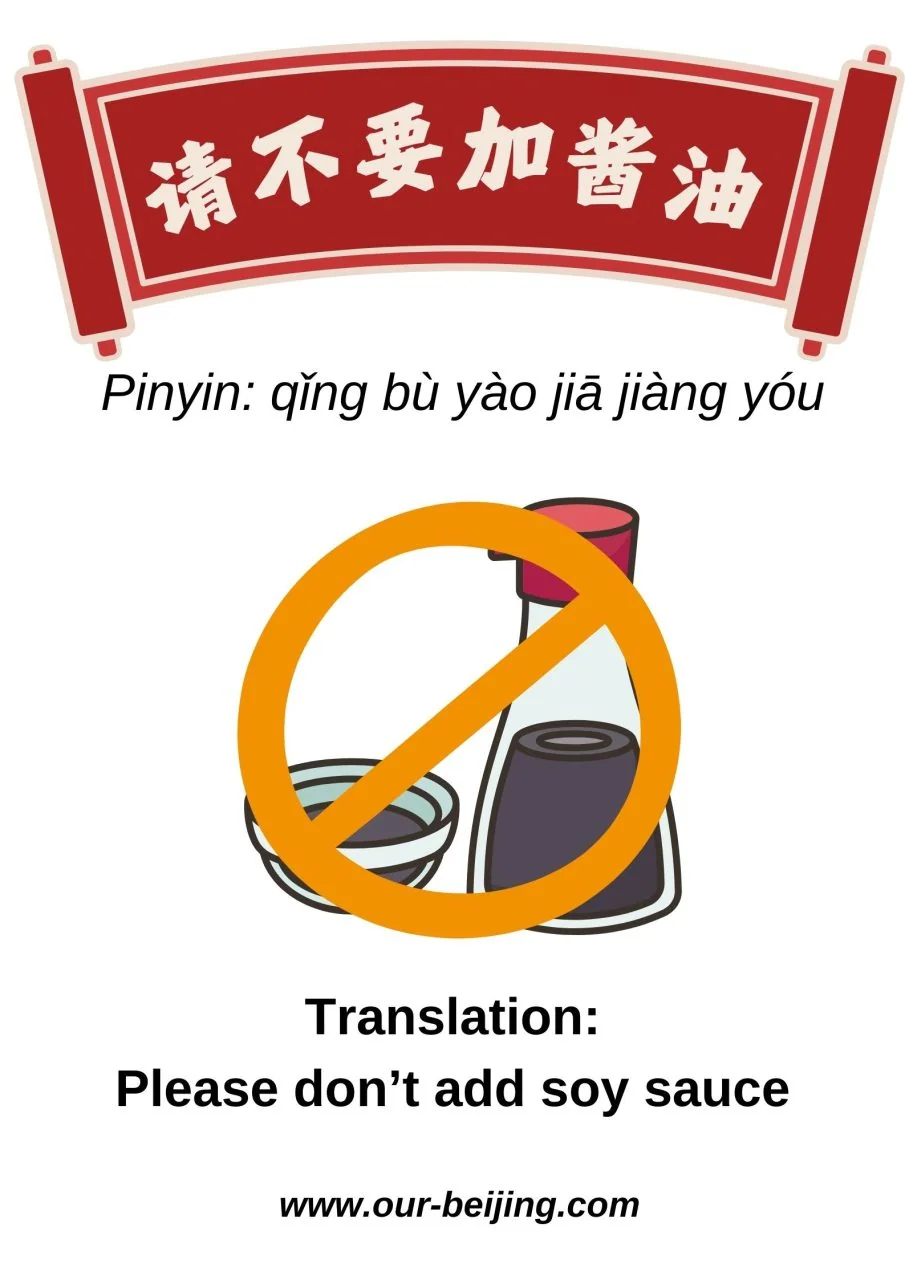
A written card can help explain coeliac disease, but it does not replace a conversation about ingredients and cross-contact. These phrases are a starting point rather than a complete food-safety checklist. Ask the kitchen to explain how it will prepare your meal and do not rely on a translation app or a nod of agreement alone.
| Chinese | Pinyin | English |
|---|---|---|
| 我有乳糜泻。 | Wǒ yǒu rǔmíxiè. | I have coeliac disease. |
| 我不能吃小麦、大麦和黑麦。 | Wǒ bù néng chī xiǎomài, dàmài hé hēimài. | I can’t eat wheat, barley or rye. |
| 一点点也不行。 | Yìdiǎndiǎn yě bù xíng. | Not even a tiny amount. |
| 请不要放酱油。 | Qǐng bú yào fàng jiàngyóu. | Please don’t add soy sauce. |
| 也不要放蚝油、豆瓣酱和甜面酱。 | Yě bú yào fàng háoyóu, dòubànjiàng hé tiánmiànjiàng. | No oyster sauce, chilli bean paste or sweet bean sauce either. |
| 这个菜有面粉或酱油吗? | Zhège cài yǒu miànfěn huò jiàngyóu ma? | Does this dish contain wheat flour or soy sauce? |
| 只放盐,可以吗? | Zhǐ fàng yán, kěyǐ ma? | Could you use salt only? |
| 请用干净的锅。 | Qǐng yòng gānjìng de guō. | Please use a clean wok. |
| 米粉是纯大米做的吗? | Mǐfěn shì chún dàmǐ zuò de ma? | Are the rice noodles made only from rice? |
For a fuller card, Celiac Travel offers a free Mandarin restaurant card. Also, a translation app with a camera mode helps with menus. See our guide to what apps you need for China.
Where can I find gluten free food in Beijing?
Do not judge suitability by the style or location of a restaurant. Our Beijing restaurant guide and local food guide offer starting points for your own enquiries, not guarantees. Menus, staff and preparation can change, so confirm your requirements directly with each kitchen before eating.
For snacks, supermarkets help. Labels are in Chinese, so look for 小麦 (wheat) and 麦芽 (malt) in the ingredients list. Better still, new labelling rules will make allergen statements compulsory on packaged food from March 2027. This includes cereals containing gluten, according to a USDA summary of GB 7718-2025.
Finally, pack your own gluten free soy sauce and some emergency snacks. Coeliac UK’s travel advice also suggests carrying snacks for delays, and long train rides are a classic example. Put simply, a backup in your bag makes staying gluten free in China far easier.
Can I join an Our Beijing experience if I’m gluten free?
Please contact us before booking if you have coeliac disease. Many local snacks contain wheat, and removing an ingredient does not remove cross-contact risk. We can discuss an experience’s food stops and what might be possible, but cannot guarantee the safety of food prepared by others.
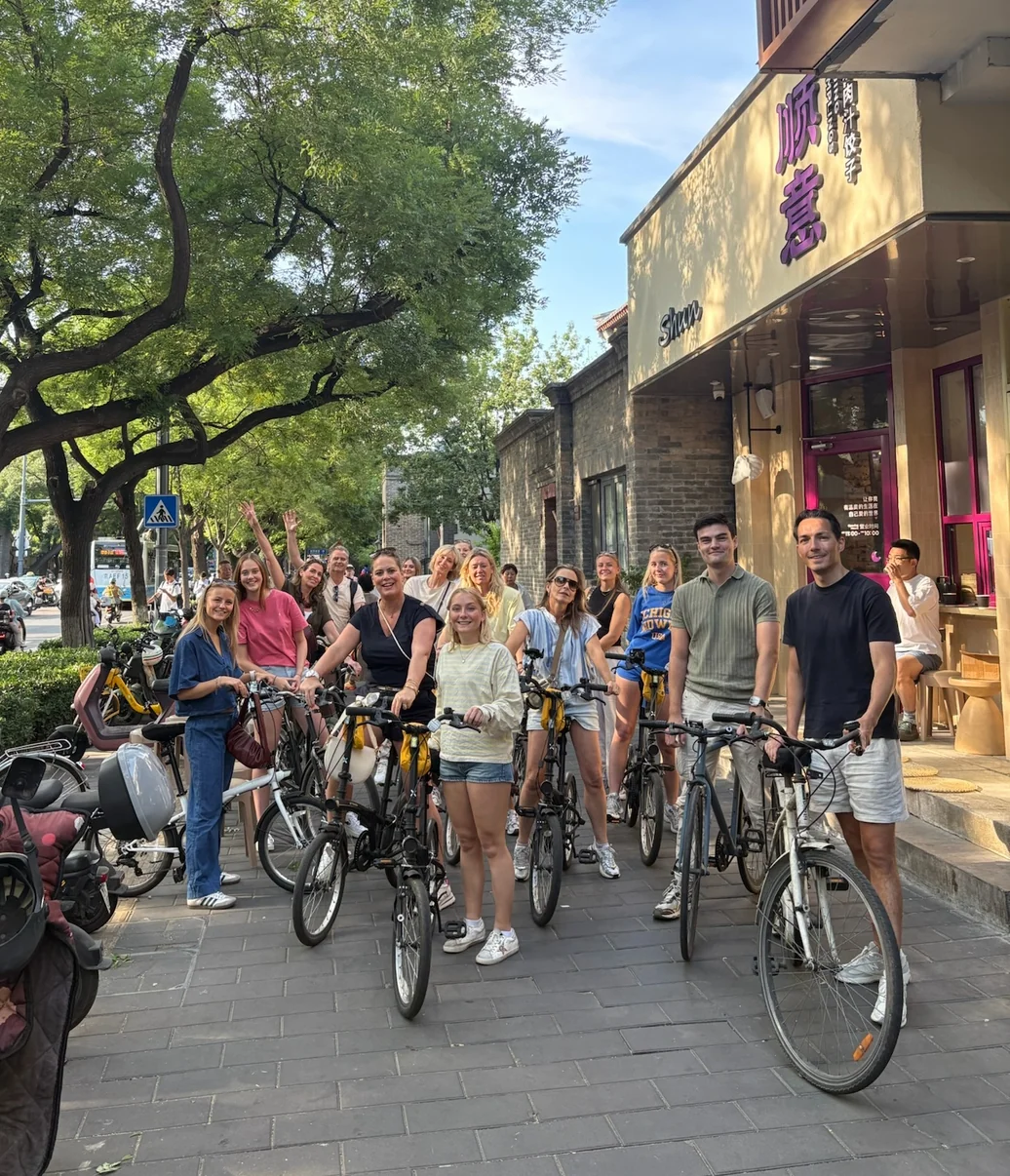
For The Hutong Experience or another experience involving food, tell us your needs in advance. We will discuss the options without treating any dish or food stop as automatically suitable for coeliac disease.
Our hosts can help explain your dietary requirements to cooks in Mandarin. You should still check the kitchen’s answers and make your own decision about what to eat. If the answers are unclear, do not eat the food.
Not sure which experience suits your diet? Message us before you book and we will check with the kitchen.
Related reading: Gluten free food in Beijing · Gluten free restaurants in Beijing
FAQs: gluten free in China
Is soy sauce in China gluten free?
Many ordinary soy sauces contain wheat. Check the specific product rather than assuming that soy sauce or tamari is gluten free. A gluten-free-labelled alternative can help with ingredients, but the kitchen still needs to address cross-contact during preparation.
How do you say gluten free in Chinese?
The word for gluten is 麸质 (fūzhì), but many cooks won’t know it. So it works better to say 我有乳糜泻 (I have coeliac disease) and then list wheat, soy sauce and flour.
Is it safe for coeliacs to eat gluten free in China?
We cannot guarantee that a dish or restaurant is suitable for coeliac disease. Discuss the ingredients and cross-contact precautions with the kitchen each time. Simple dishes and Mandarin cards may help you ask questions; they do not establish safety. If you are unsure, choose another option.
Are rice noodles in China gluten free?
Pure rice noodles are, but recipes vary between brands. Also, cooks may boil them alongside wheat noodles, so always ask.
Can I find gluten free bread in Beijing?
Sometimes, at Western-style bakeries and imported-food shops. However, choice is limited, so bring a few staples from home.
For reliable guidance, see Coeliac UK’s eating-out advice and the NHS guidance on coeliac disease and cross-contamination.
✨You’re reading a blog from Our Beijing ✨
We curate experiences for adventurous travellers who want something different.
—imagine riding through old Beijing hutongs, tasting our favourite street food snacks, or if you’re a top adventure seeker, hiking the wild, unrestored Great Wall.