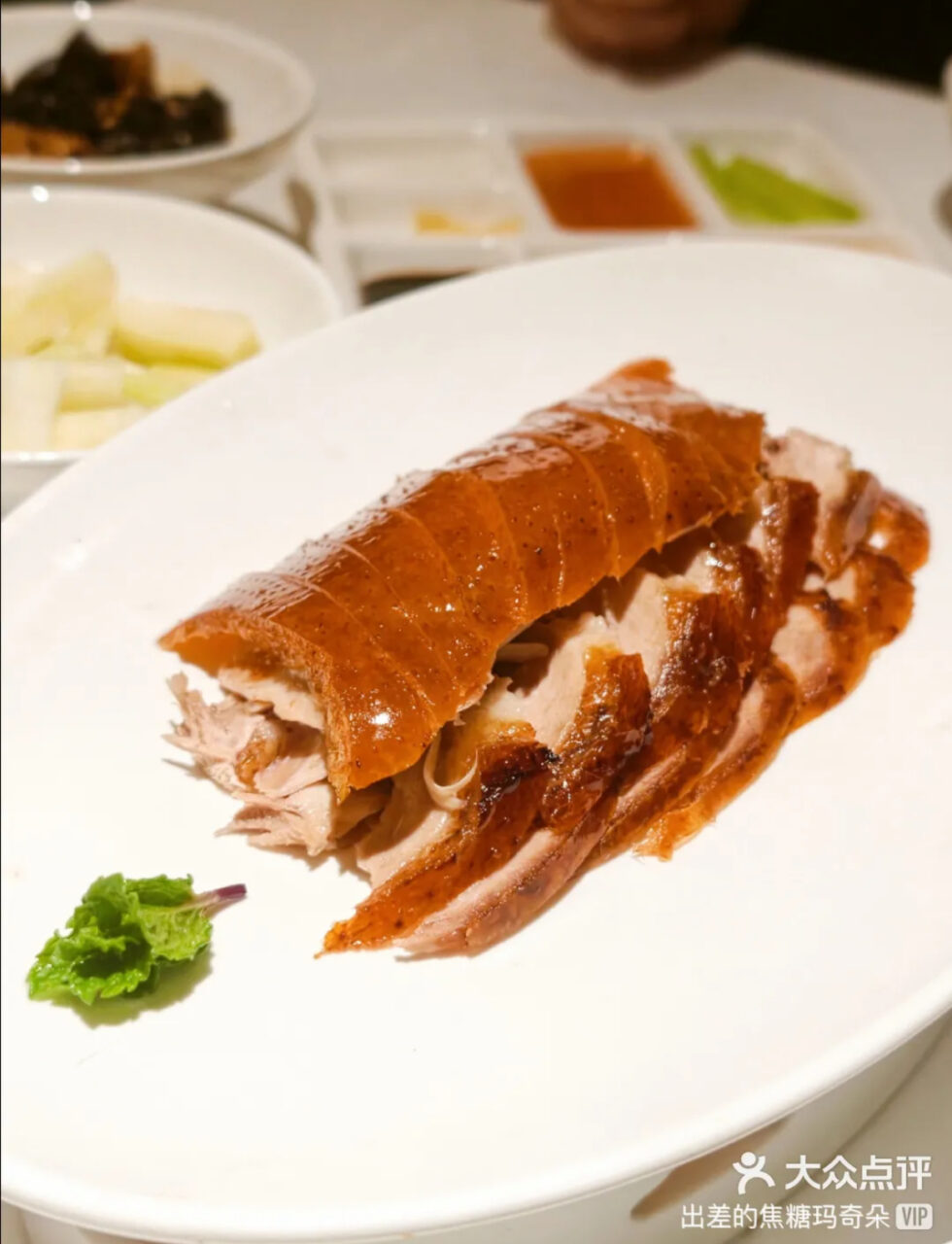
When people think of Beijing, one dish always comes to mind: Peking Duck. More than just a meal, it’s a centuries-old culinary tradition that represents the capital’s history, culture, and hospitality. Whether you’re a first-time visitor or an expat living in Beijing, tasting roast duck is a must-do experience.
A Brief History of Beijing Duck
Beijing Duck traces its roots back to imperial China, and over time two main roasting styles developed:
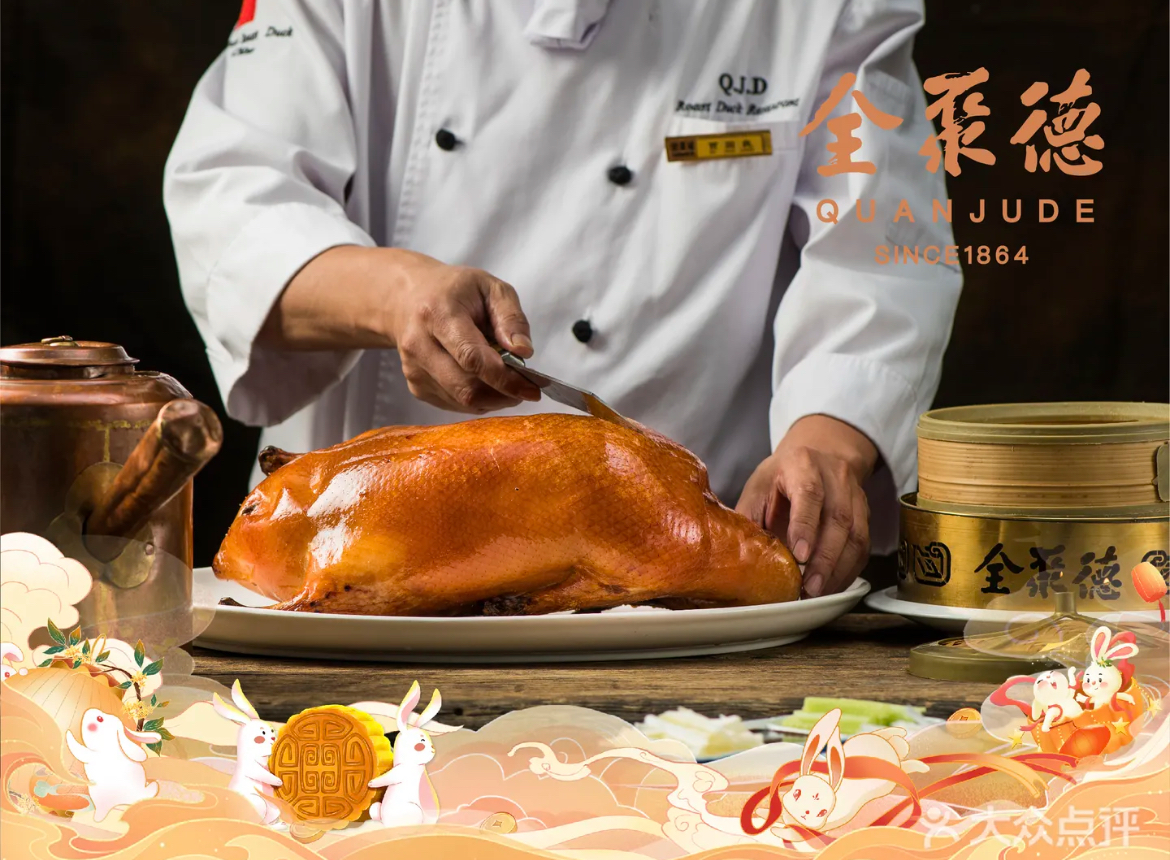
挂炉 (Gualu) – Quanjude Style: Popularized in the Qing Dynasty, this “open-oven” style roasts ducks over fruitwood flames. The duck skin comes out crisp and golden, with a smoky fragrance.
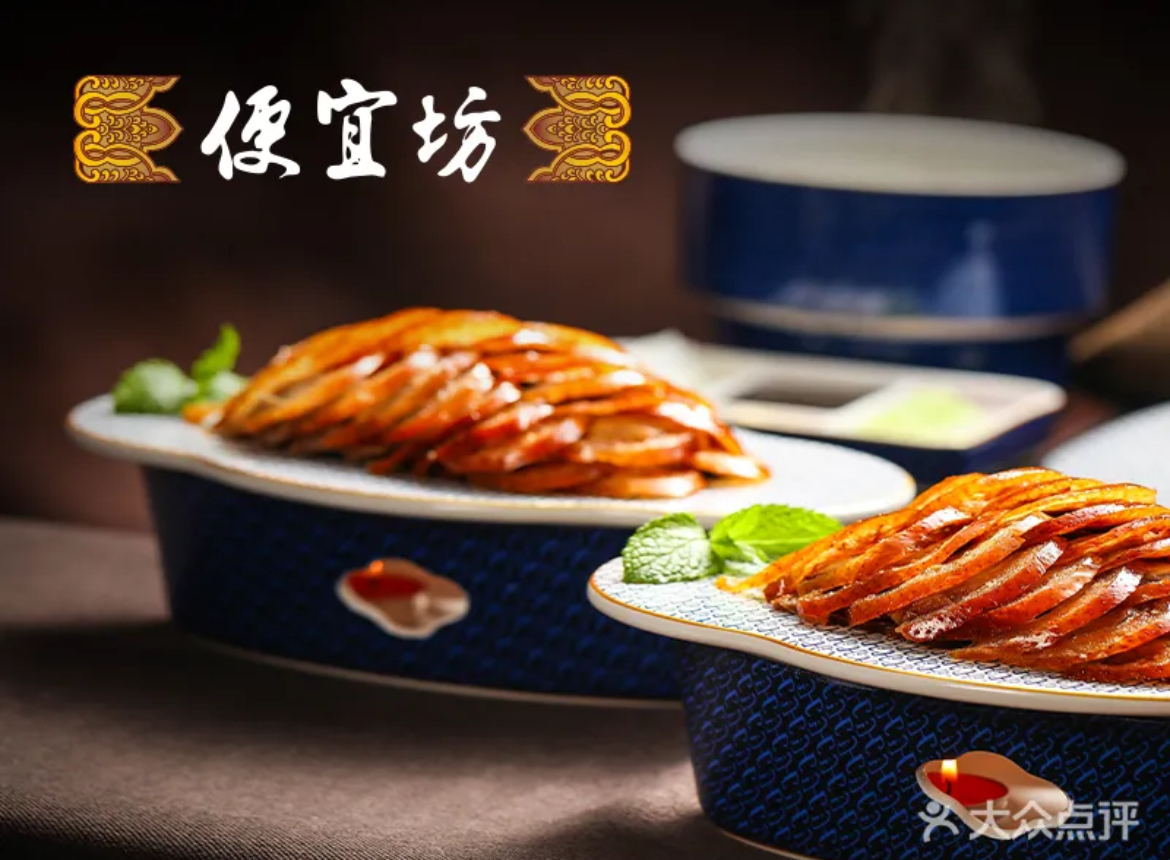
焖炉 (Menlu) – Bianyifang Style: Originating in the Ming Dynasty, this “closed-oven” method uses oven heat without an open flame. The result: meat that’s juicy, tender, and aromatic.
Here are 5 Beijing Duck chain restaurants:
1. Quanjude (全聚德) – The Century-Old Legend
Quanjude is the name everyone knows — and for good reason. Founded in 1864, it’s the birthplace of the hanging oven (挂炉) technique that defines Beijing-style roast duck. The restaurant’s roasting method is recognized as a National Intangible Cultural Heritage.
What makes them special: The duck is roasted over date wood fires, giving the skin a deep amber color and a subtle fruity aroma. The signature “duck skin dipped in white sugar” is a Quanjude invention — the sugar melts on your tongue, and the crispy skin follows right after.
What to expect: A formal, almost ceremonial dining experience. A chef will carve the duck tableside. The duck is noticeably fattier than modern versions — which means more flavor, but also more richness. Locals will tell you “Beijingers don’t eat Quanjude anymore,” but for first-time visitors? It’s a rite of passage.
Price: ~¥180-300 per person
Best for: First-time visitors, history buffs, travelers who want “the original”
2. Bianyifang (便宜坊) – The Even Older Legend (But Different)
While Quanjude is famous for hanging oven roasting, Bianyifang is the master of the closed oven (焖炉) technique. The duck is roasted in a sealed brick oven, which traps moisture and results in a plumper, juicier bird with softer, less crispy skin.
What makes them special: The meat stays more tender and moist because the oven traps steam. It’s a completely different style of Peking duck — less “snap” in the skin, more “juice” in the meat.
What to expect:A more local, less touristy crowd. The atmosphere is less formal than Quanjude. If you’ve already had Quanjude, this is your second act.
Price: ~¥150-200 per person
Best for: Repeat visitors, people who’ve already done Quanjude, those who prefer juicier meat over crispy skin
3. Siji Minfu (四季民福) – The Local Favorite
Siji Minfu has become the go-to recommendation for both tourists and locals. It balances quality and price better than almost any other Peking duck restaurant in Beijing.
What makes them special: The duck is crispy without being greasy. The pancakes are thin. The dipping sauces — especially their garlic paste option — add a layer of flavor you don’t get at the more traditional places.
What to expect: Long lines. Really long lines. Download their app or use their WeChat mini-program to join the queue remotely. Once you’re seated, service is efficient and friendly.
Price: ~¥150-200 per person
Best for: First-timers who want great duck without spending a fortune
4. Da Dong (大董) – The Modern Masterpiece
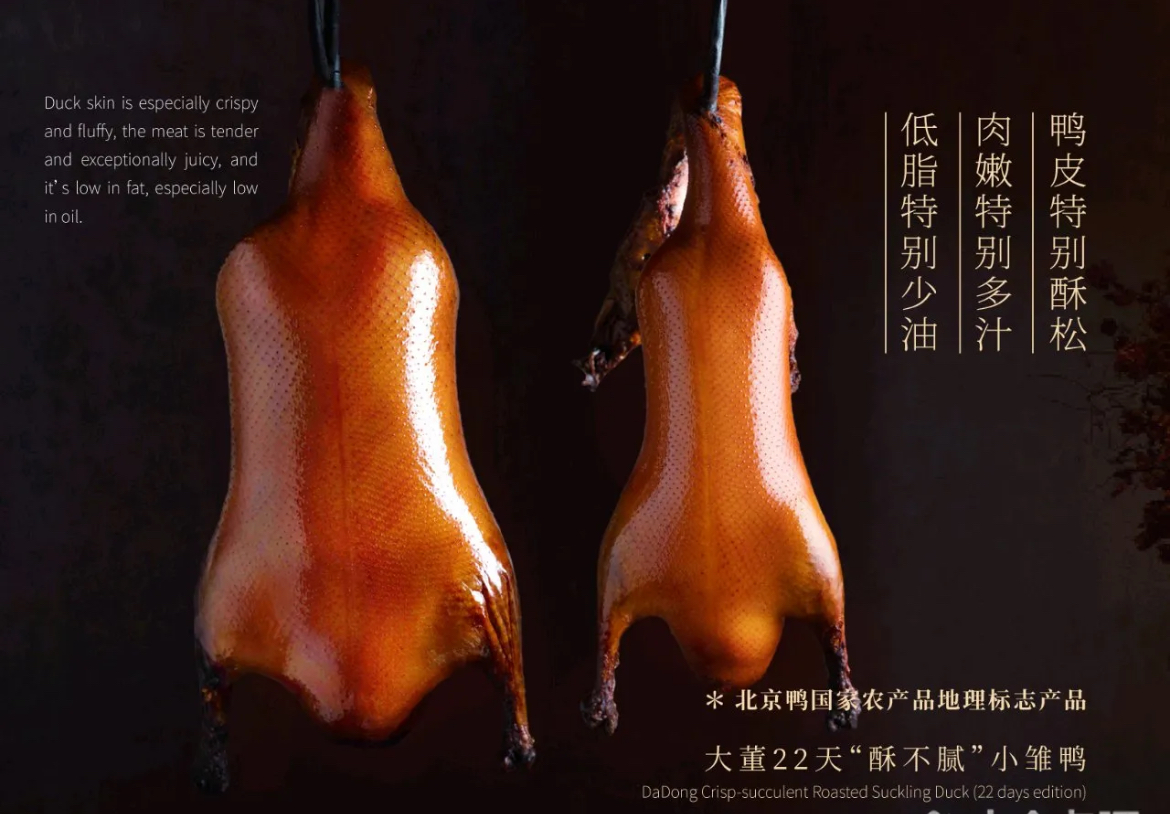
Da Dong changed the Peking duck game. In the 1980s, chef-owner Dong Zhenxiang developed a technique that reduces the duck’s fat content by 30% compared to traditional methods. The result is a duck that’s incredibly crispy on the outside, lean on the inside, and almost miraculously not greasy.
What makes them special: The duck is served with eight condiments instead of the usual three or four. They also offer an elevated version served with caviar, foie gras, and shaved truffles. Every dish is plated like art.
What to expect:A premium dining experience. The space is modern, elegant, and expensive. This is where you go for an anniversary, a business dinner, or when someone else is paying.
Price: ~¥350-550 per person
Best for: Special occasions, business entertaining, foodies who care about presentation
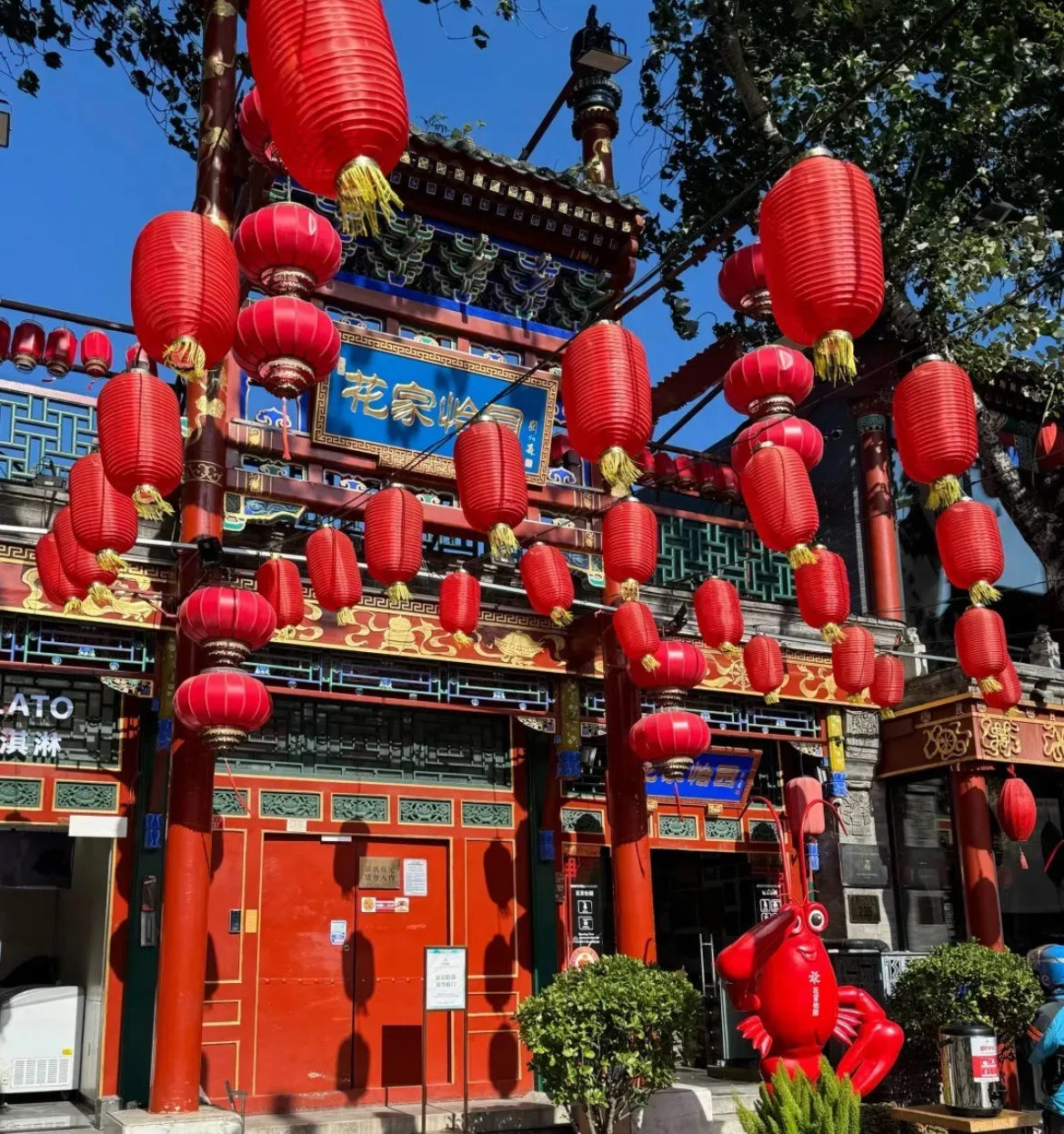
5. Hua’s Restaurant (花家怡园) – The Hutong Courtyard with a Show
Hua’s Restaurant is a different kind of Peking duck experience. It’s not a formal dining hall or a modern art space. It’s a traditional Beijing quadrangle courtyard (四合院) tucked away on Guijie (簋街), the city’s most famous late-night food street.
What makes them special: The setting. Dine in a stunning courtyard with 游廊环绕 (winding corridors), 假山古树 (rockeries and ancient trees), and a 牌坊 (memorial archway) at the entrance. Every evening, there are live performances — traditional Chinese opera, magic shows, acrobatics, and face-changing opera (变脸). It’s dinner and a show.
What to expect: The Guijie location is their flagship courtyard restaurant, built in 1999. The atmosphere is lively and festive, especially on weekend evenings. Expect crowds, especially during peak hours. Book ahead if you want a courtyard seat.
Price: ~¥155-197 per person
Best for: Travelers who want an atmospheric, all-in-one Beijing experience — good Peking duck, beautiful courtyard setting, and live entertainment.
FAQ:
1️⃣ How much does Peking duck cost at a good restaurant in Beijing?
Budget restaurants charge ¥150-200 per duck (enough for 2-3 people). Mid-range places like Siji Minfu cost ¥150-250 per person. High-end options like Da Dong cost ¥350-550 per person.
2️⃣ Can I pay with a foreign credit card at Peking duck restaurants in Beijing?
Most mid-range and high-end restaurants accept foreign credit cards, but it’s not guaranteed. Link your foreign card to Alipay or WeChat Pay before you travel — that works everywhere. Cash is also accepted at all locations.
3️⃣ Which Peking duck restaurant in Beijing has the best atmosphere?
4️⃣ Can I order just half a Peking duck if I’m dining alone?
Yes, most Peking duck restaurants in Beijing offer half a duck (半只) for solo diners or small groups of two. A whole duck (整只) is typically meant for 3-5 people. Half a duck usually comes with the same accompaniments — pancakes, scallions, cucumber, and sauce — just in smaller portions.
5️⃣ What is the proper way to eat Peking duck? Do I use chopsticks or my hands?
Use both. Chopsticks are for placing meat and condiments onto the pancake. Then you roll the pancake with your hands (some restaurants provide disposable gloves) and eat it like a small burrito. Do not try to eat the rolled pancake with chopsticks — it will fall apart.
✨You’re reading a blog from Our Beijing ✨ We design authentic adventures for travelers who want to dive deeper — cycling through hutongs, tasting Beijing’s favorite snacks, and hiking the wild, unrestored Great Wall.