Beijing has over 200 museums. For foreign visitors, the biggest hurdle isn’t finding a museum — it’s finding one that’s actually enjoyable without fluent Chinese.
Here are 5 downtown museums that hit the sweet spot: fascinating content, English-friendly, and conveniently located near the city center.
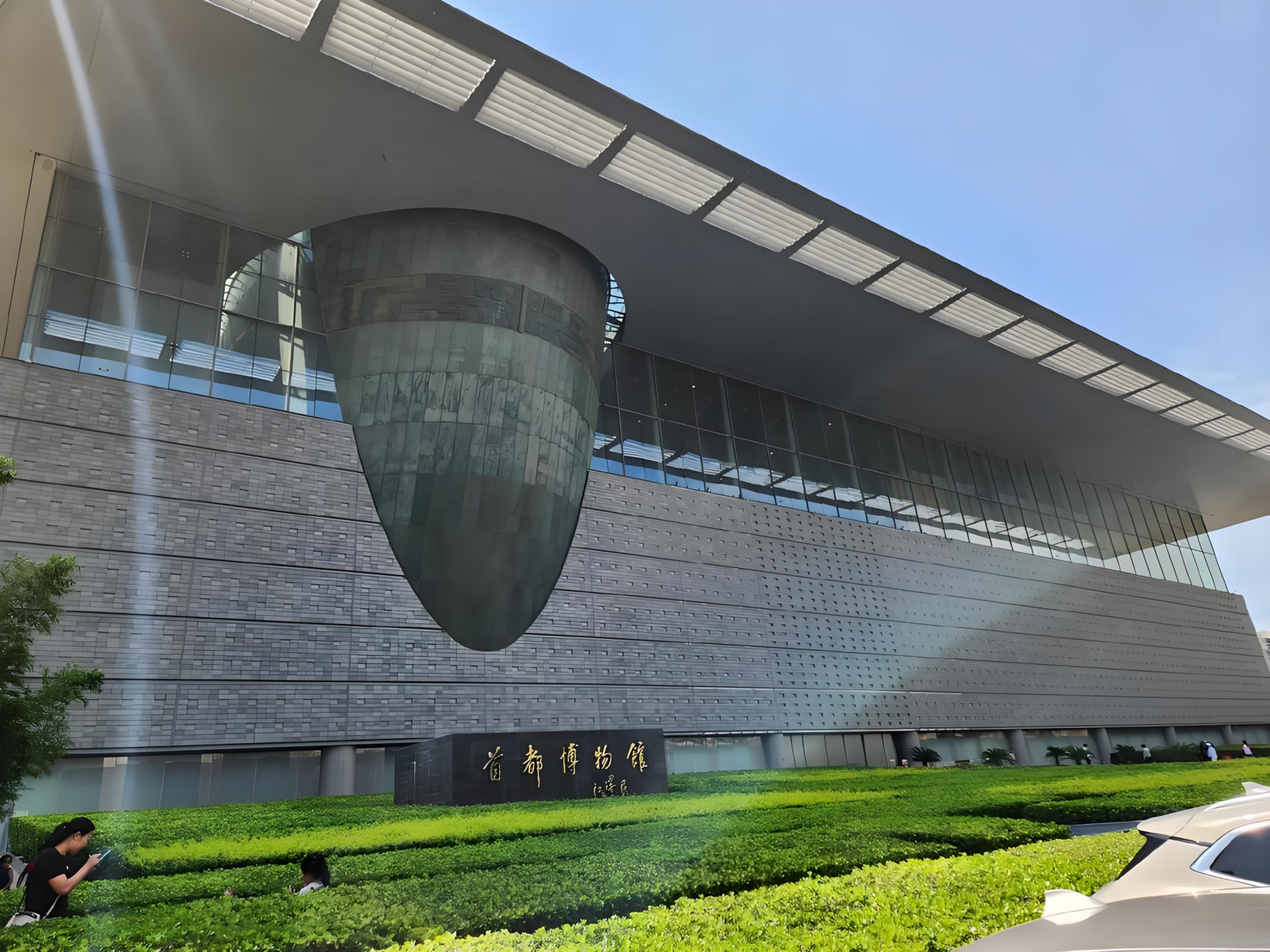
This is the museum that actually explains Beijing. Not China. Beijing. Its 3,000-year history, its 800-year role as capital, and the everyday lives of its people.
What makes it work for foreigners:
Practical info:
Foreigner-friendly rating: ⭐⭐⭐⭐⭐
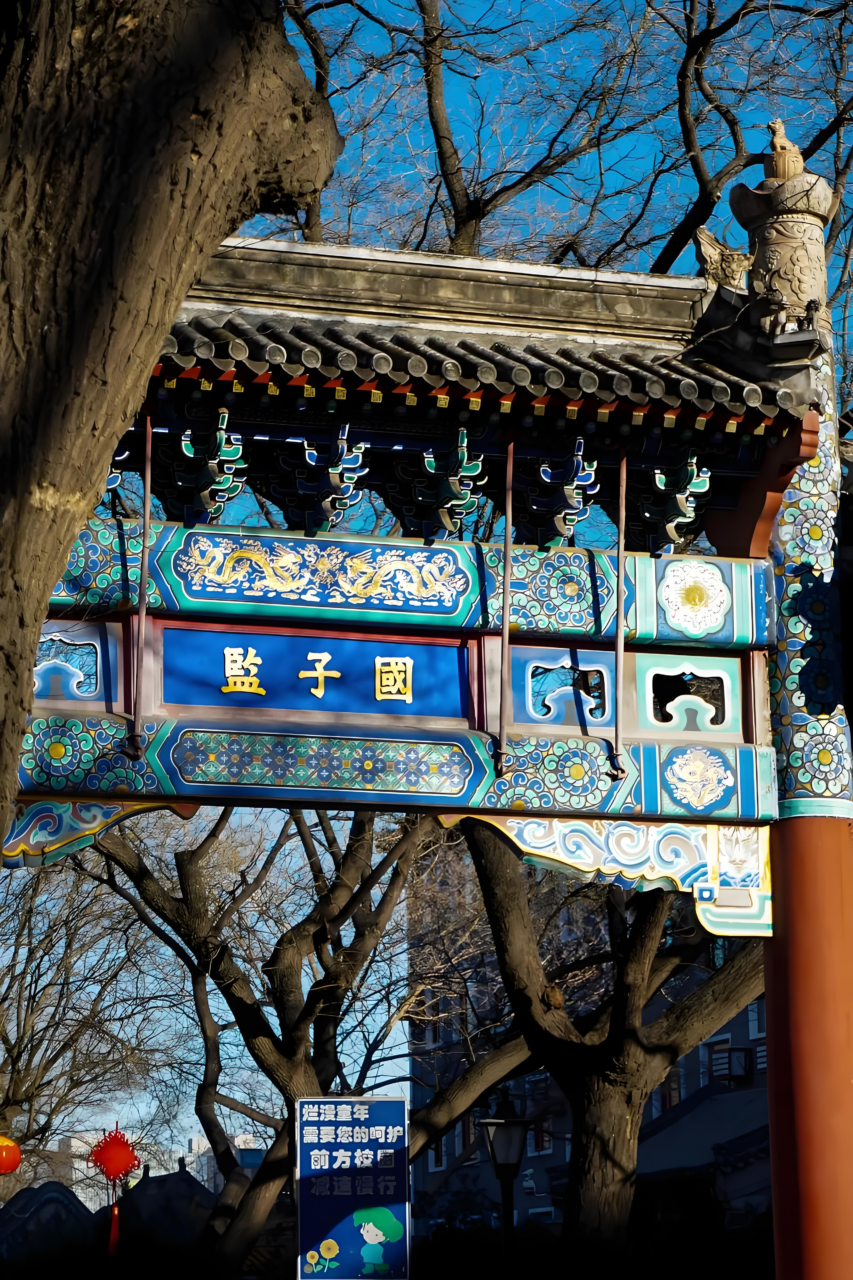
This isn’t a “modern” museum in the glass-and-steel sense. It’s a 700-year-old temple complex where emperors once paid homage to Confucius and scholars studied for the imperial exams. Think of it as China’s version of Oxford or Harvard — but 600 years earlier.
What makes it work for foreigners:
What to look for: The 189 stelae (stone tablets) engraved with the complete Confucian classics, and the Biyong Hall — the emperor’s lecture hall with its unique circular design.
Practical info:
Foreigner-friendly rating: ⭐⭐⭐⭐
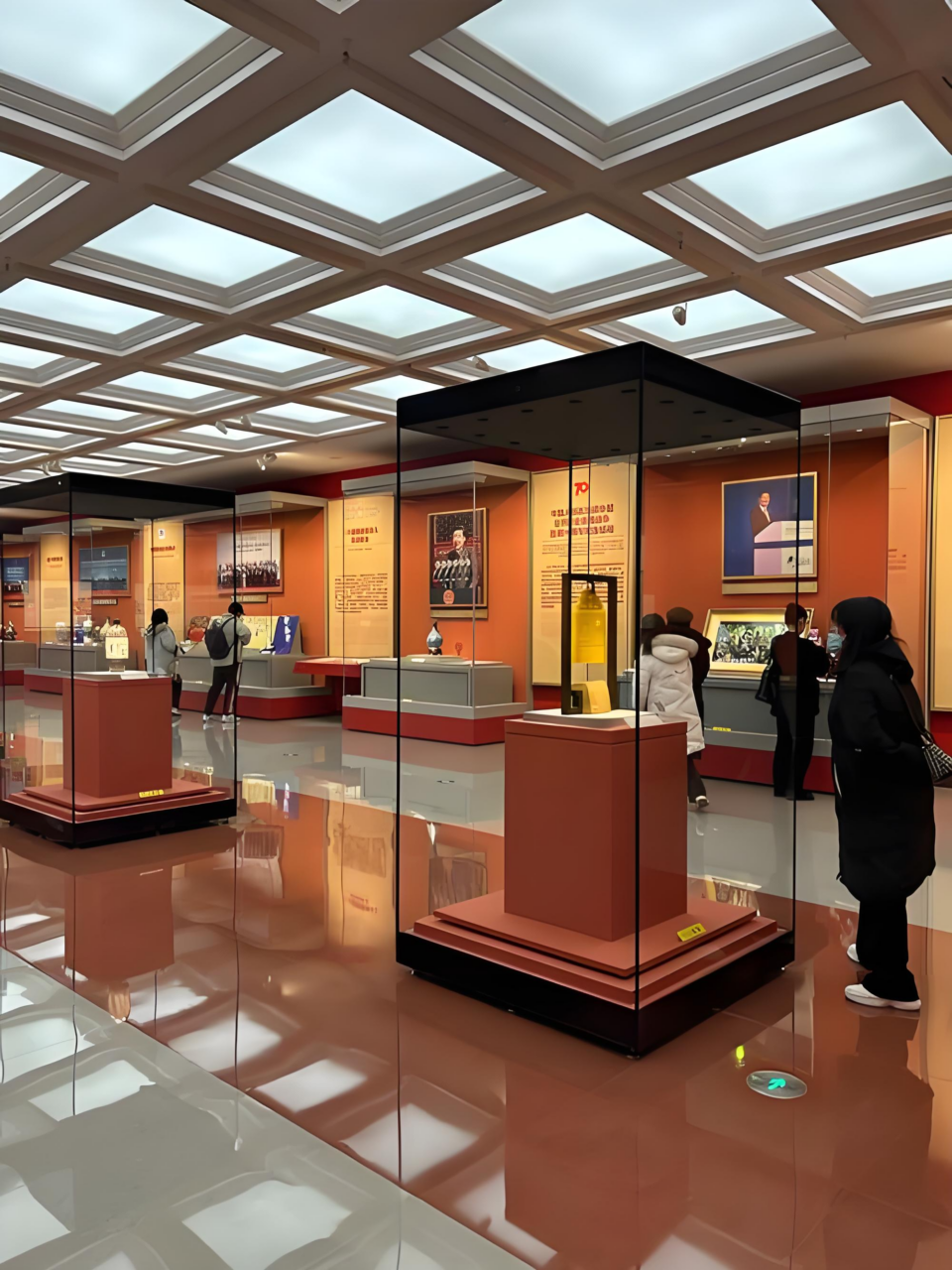
This one is a hidden gem. It’s a museum of state gifts exchanged between China and other countries. Think: the ping-pong paddle from American table tennis players in the 1970s, a giant golden peacock from the UAE, a Soviet-era satellite model, and hundreds of other objects that tell the story of international relations through artifacts.
What makes it work for foreigners:
What to look for: The 1970s ping-pong bat that helped kick off “ping-pong diplomacy” between the US and China, and the miniature “Tintin” figurines from Belgium.
Practical info:
Foreigner-friendly rating: ⭐⭐⭐⭐
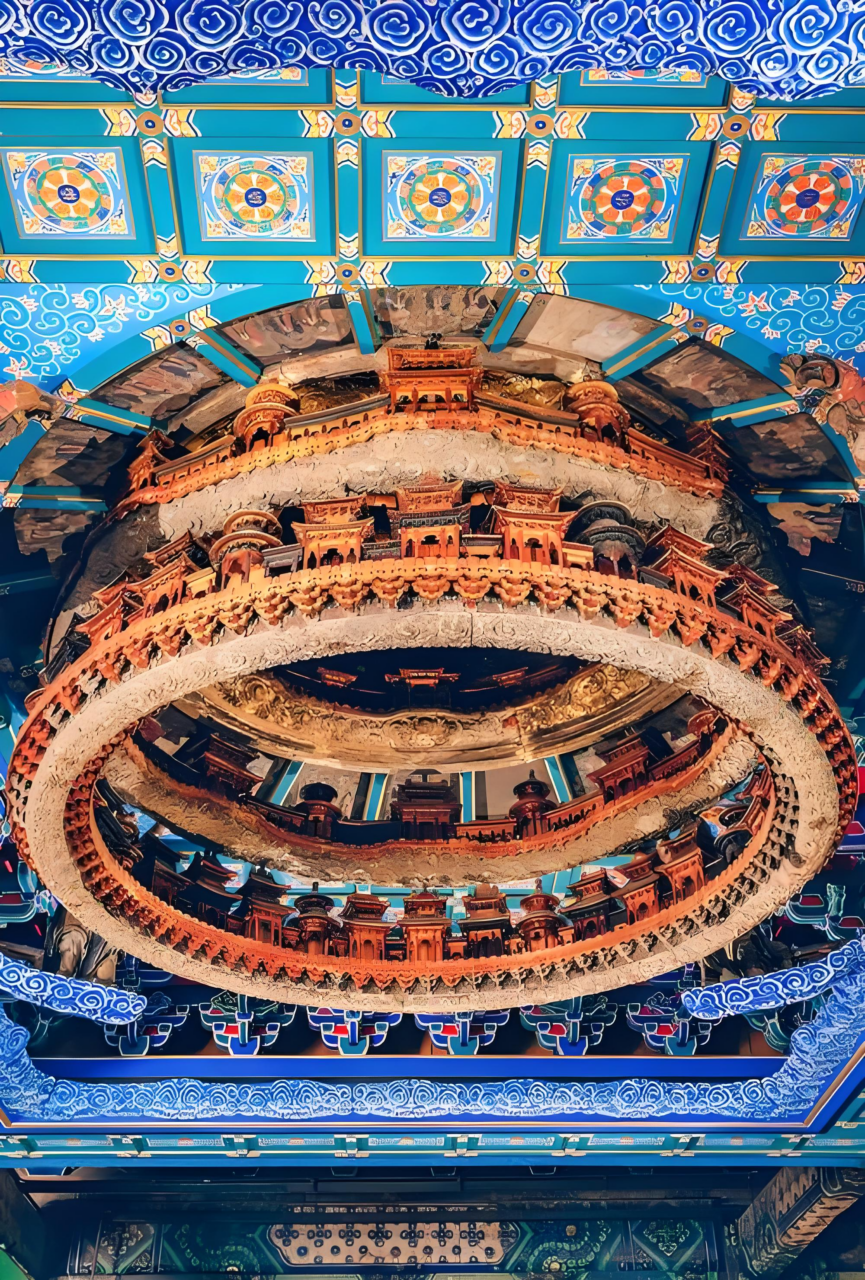
This museum is inside Xiannongtan — the temple where Ming and Qing emperors performed the annual ritual of plowing the first furrow to ensure a good harvest. It’s the largest and best-preserved imperial farming altar in China.
What makes it work for foreigners:
What to look for: The two celestial ceilings — the starry sky in the main hall and the dragon ceiling in the rear hall. The main hall’s ceiling is considered a national treasure and one of the most spectacular examples of ancient Chinese architecture.
Practical info:
Foreigner-friendly rating: ⭐⭐⭐⭐
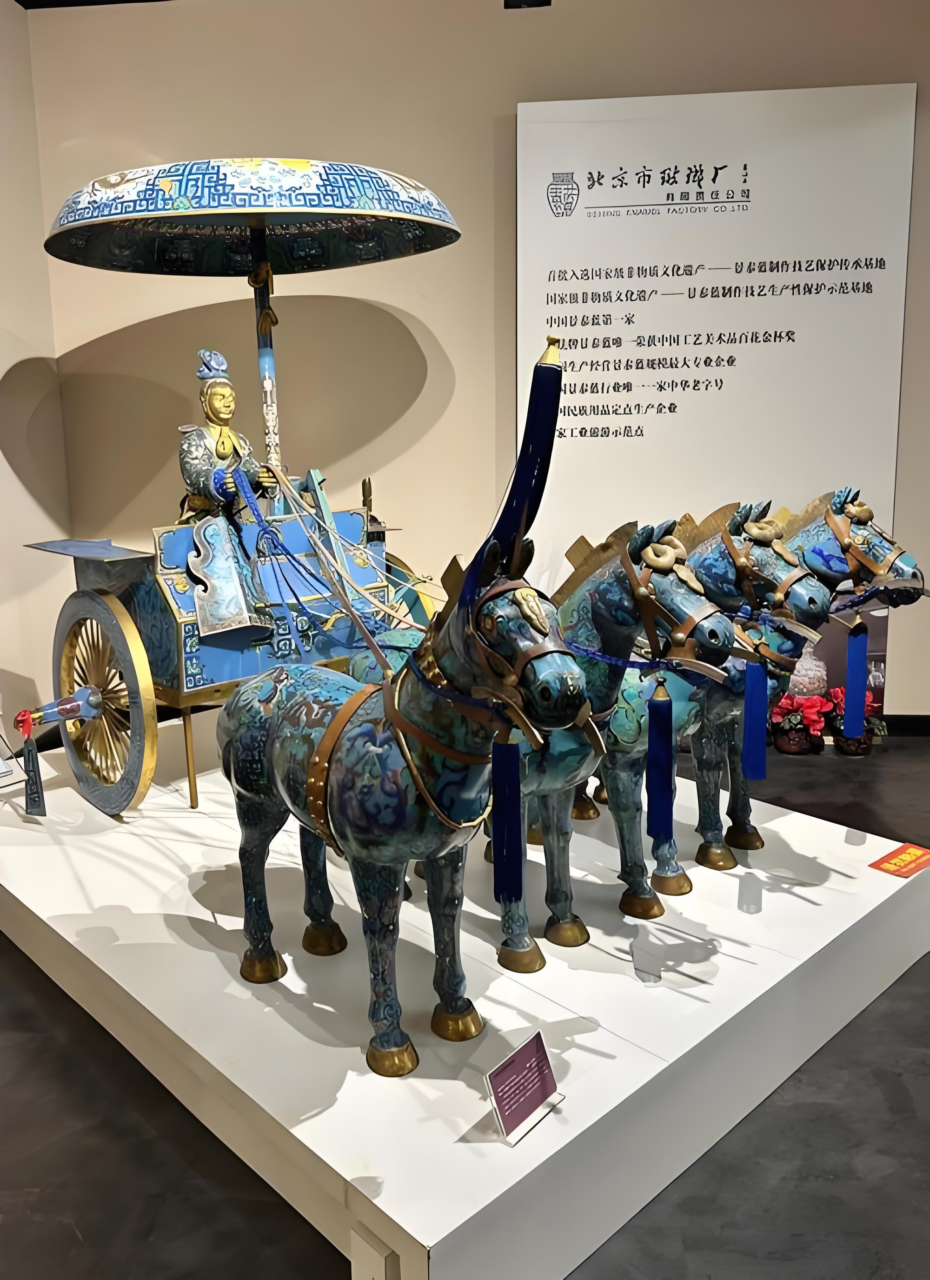
Cloisonné (景泰蓝, jǐng tài lán) is one of Beijing’s most famous traditional crafts — colorful enamelware with intricate copper wire patterns. The museum is located inside the Beijing Enamel Factory, which has been producing cloisonné for over 60 years and is the only museum in China dedicated to this craft.
What makes it work for foreigners:
What to look for: The massive cloisonné vases and the intricate detail on smaller pieces like jewelry boxes and snuff bottles. And definitely watch the “dotting” process — artisans use tiny spatulas to fill the copper cells with colored enamel paste.
Practical info:
Yes — most museums require your passport for entry, even if you have reserved online. Some also require you to show your passport to collect tickets. Always bring it.
The Confucius Temple and Imperial College is right on Guozijian Street — a beautiful hutong itself. The Cloisonné Art Museum is near the Yongdingmen area, also close to old Beijing neighborhoods.
Most museums accept passport numbers for booking through their official WeChat mini-programs. If you don’t have WeChat, you can ask a Chinese friend or hotel staff to book for you. We can help our guests to book museum tickets as well. 😄
Credit cards are rarely used — link your foreign card to Alipay before you go.
The Central Gift Museum has English labels for every exhibit. The Capital Museum also has good English signage. The Confucius Temple has an English audio guide, which is more comprehensive than printed labels.
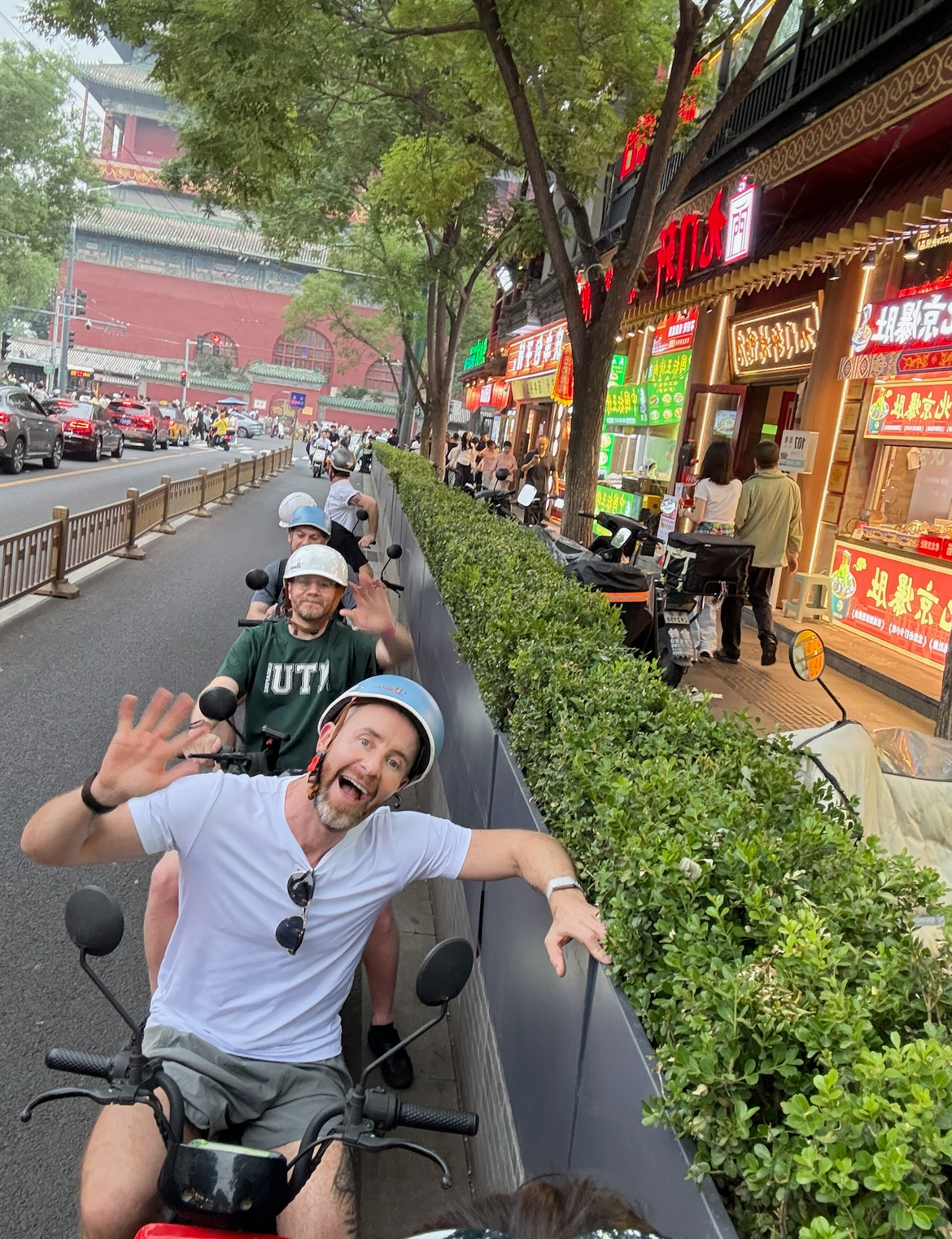
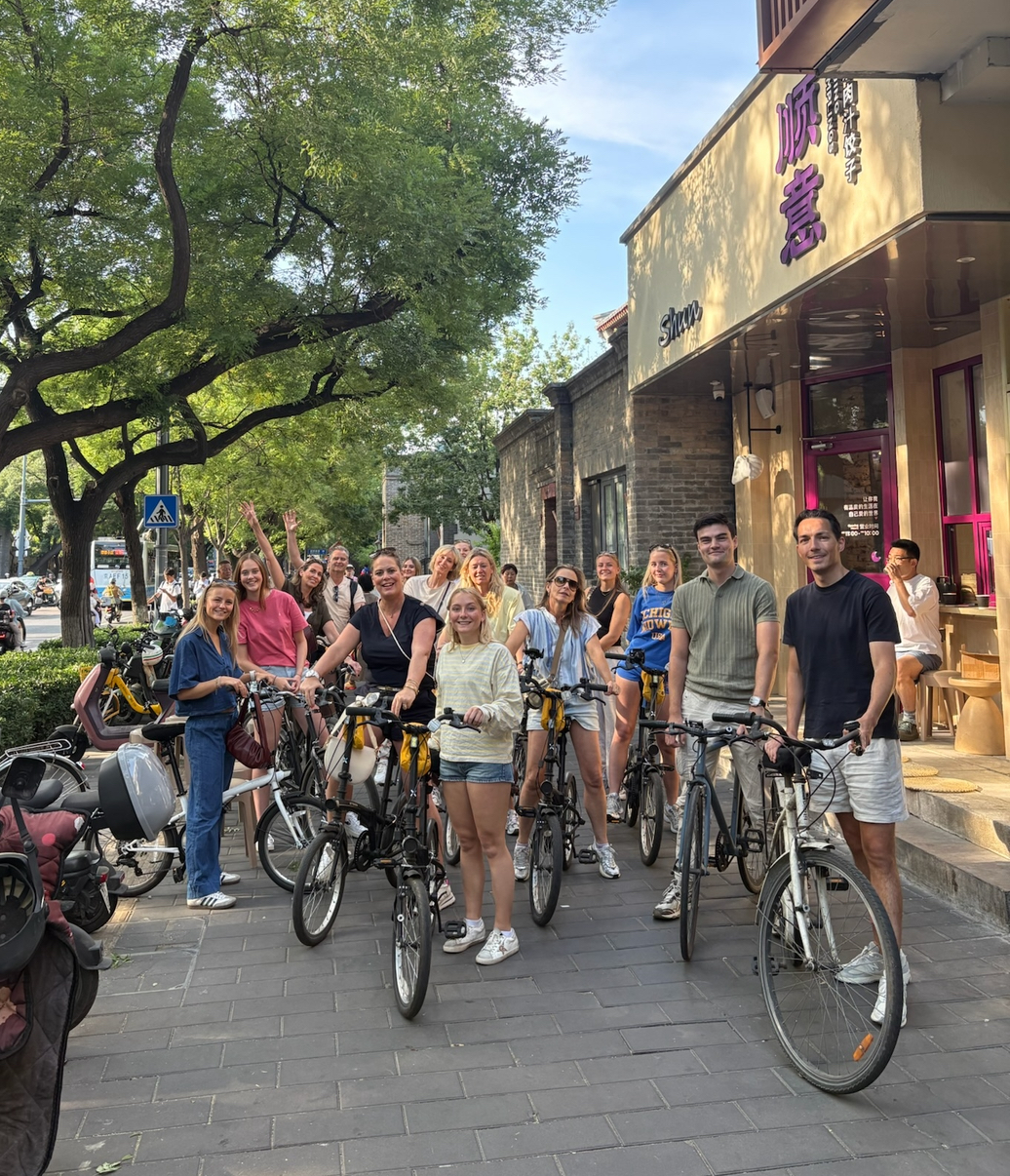
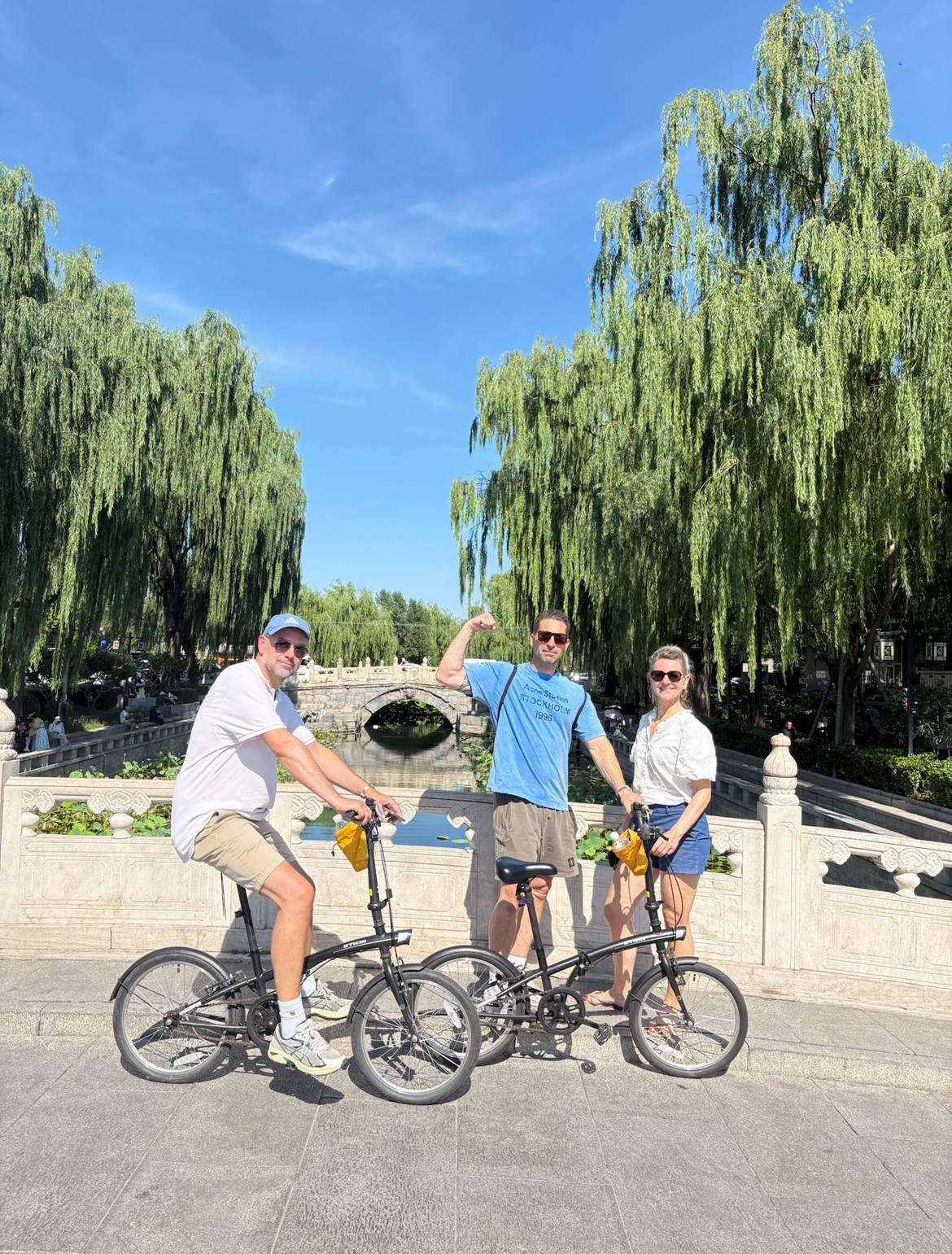
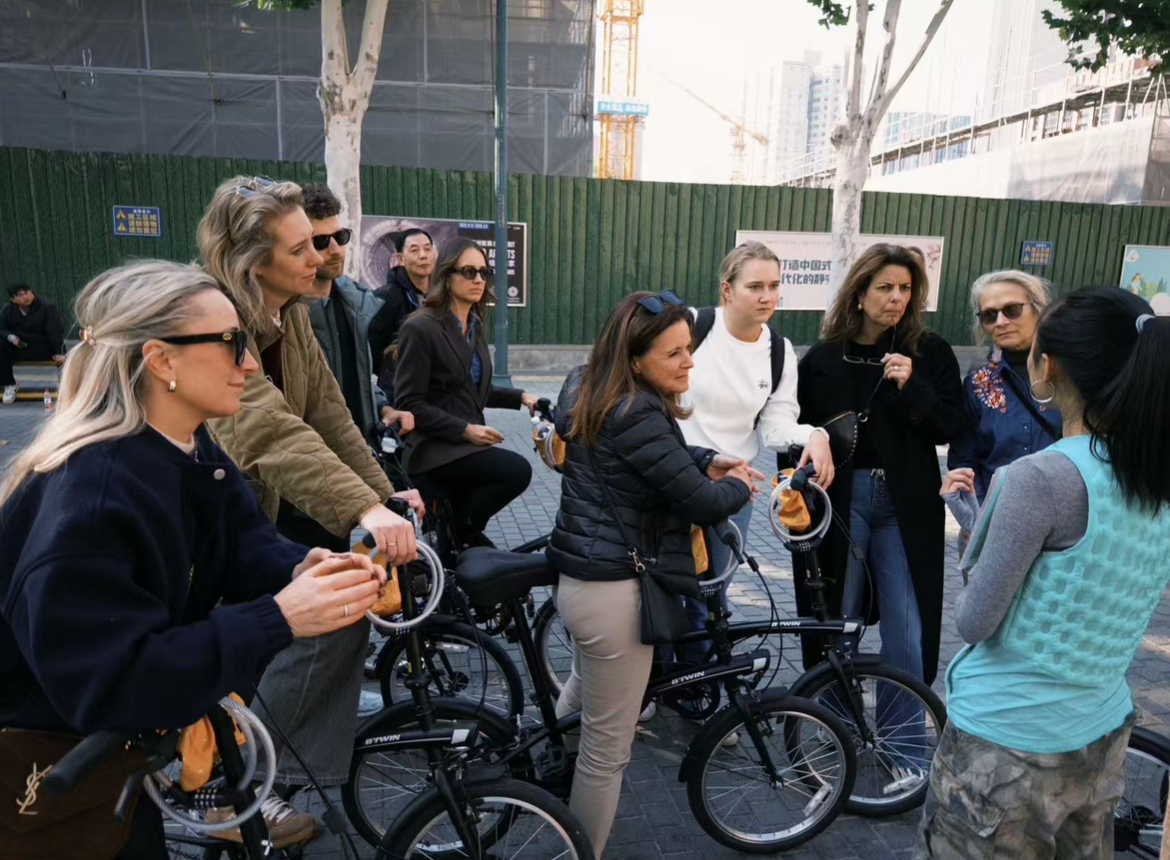
The museums above are all within 20-30 minutes of each other by subway or bike. If you want to mix history with physical activity, join our Hutong Bike Experience in the morning — we’ll pedal through the ancient alleyways, and by afternoon you’ll be within walking distance of several of these museums. We’ll also show you the hidden corners of Beijing that most tourists miss — the kind of places that don’t make it into museum exhibits but are just as rich in stories.
And if you’re hungry after all that culture, our Street Food Tour covers some of the best snacks in the neighborhoods near these museums. Because history is best digested on a full stomach. 🚲🥢
✨You’re reading a blog from Our Beijing ✨
We design authentic adventures for travelers who want to dive deeper
— cycling through hutongs, tasting Beijing’s favorite snacks, and hiking the wild, unrestored Great Wall.