5 Things in Beijing That Will Actually Challenge You (And Why You Should Try Anyway)
Beijing is full of comfortable experiences. Great food, beautiful temples, smooth infrastructure. But sometimes the best memories come from doing things that make you slightly uncomfortable.
Here are 5 things in Beijing that will genuinely test you — your taste buds, your legs, your patience, and maybe your courage.
1. Drink Douzhi (豆汁) – The Infamous Fermented Mung Bean Drink
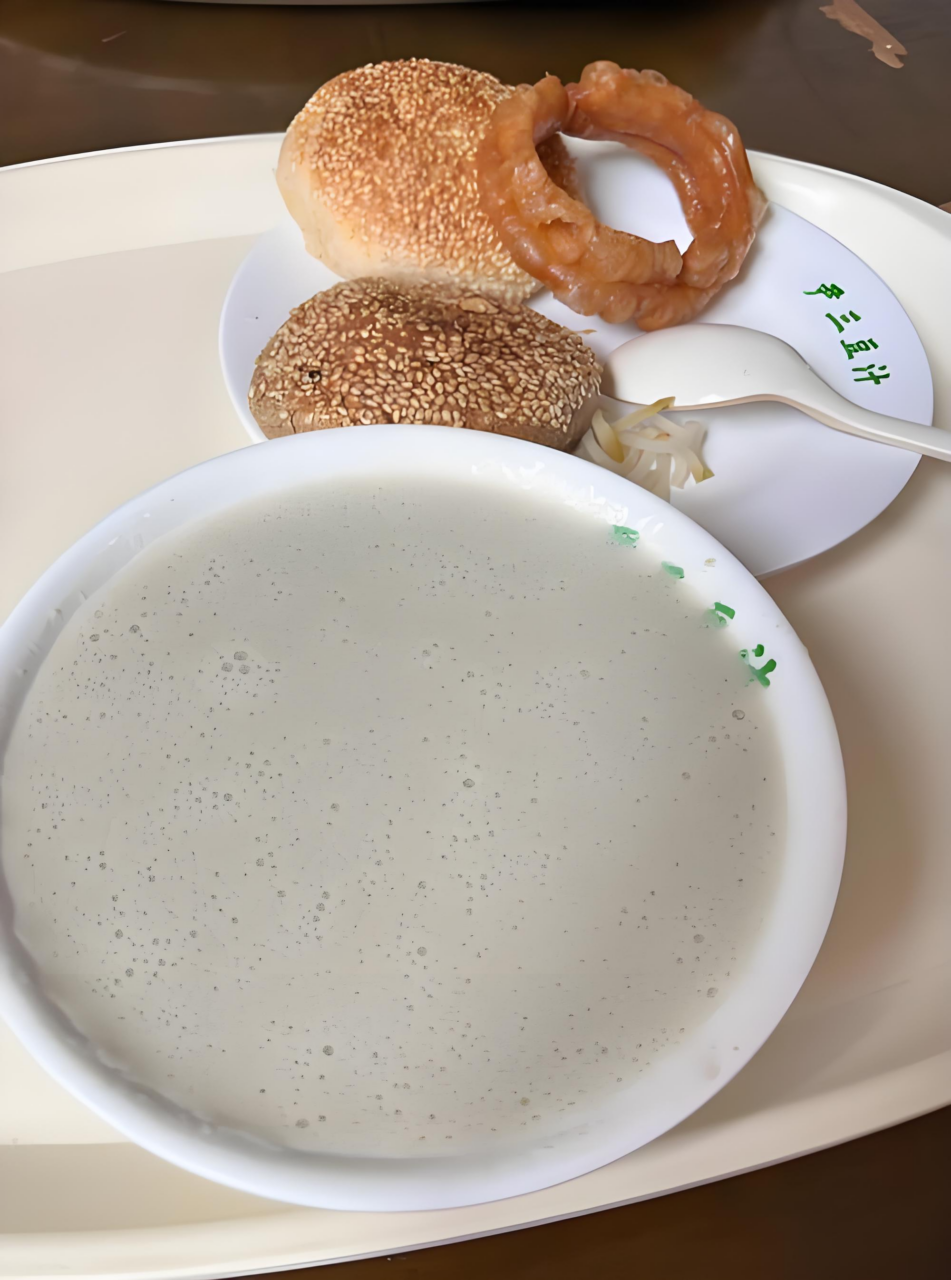
This is the one that breaks people. Even Nvidia CEO Jensen Huang couldn’t keep his composure — his “pain face” went viral after trying it in Beijing. The drink is a pale gray-green liquid made from fermented mung bean residue. It smells like sourdough’s angry cousin and tastes like… well, like nothing you’ve had before.
What makes it a challenge: The first sip is a shock. The second sip is a question. The third sip is either “I get it now” or “never again.” Most people land on never again. 😂
Why you should try it anyway:Locals genuinely love it. They pair it with crispy fried dough rings (焦圈) and pickled vegetables. It’s a 300-year-old Beijing breakfast tradition, and there’s something humbling about trying a food that locals have loved for centuries, even if you can’t finish the bowl.
Where to find it: Yinsan Douzhi (尹三豆汁), or Huguosi Snacks (护国寺小吃) both are chain restaurants.
2. Haggle at a Market – Without Getting Ripped Off
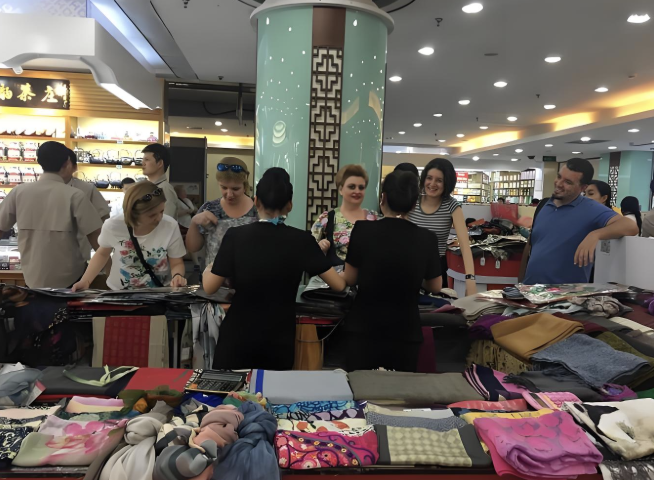
Bargaining sounds easy. Walk in, ask for a price, offer half. Simple, right? Wrong. It’s a psychological game. Vendors size you up instantly. They know you’re a tourist. They know you don’t know the real price. And they’ve been doing this longer than you’ve been alive.
What makes it a challenge: Staying calm when someone quotes you 500 RMB for a souvenir that’s worth 80. Walking away without looking back. Not getting flustered when the vendor follows you out of the stall.
Why you should try it anyway: It’s not about saving money. It’s about earning the price. The back-and-forth, the theatrics, the eventual handshake — that’s the experience. You’ll leave with a story, not just a souvenir.
Where to do it: Xiushui Street (秀水街) for the high-pressure performance. Daliushu Market (大柳树) for a more relaxed, local vibe. We’ve written a blog about all the fun markets in Beijing. 😎
3. Get Lost in the Hutongs – No Map, No Plan
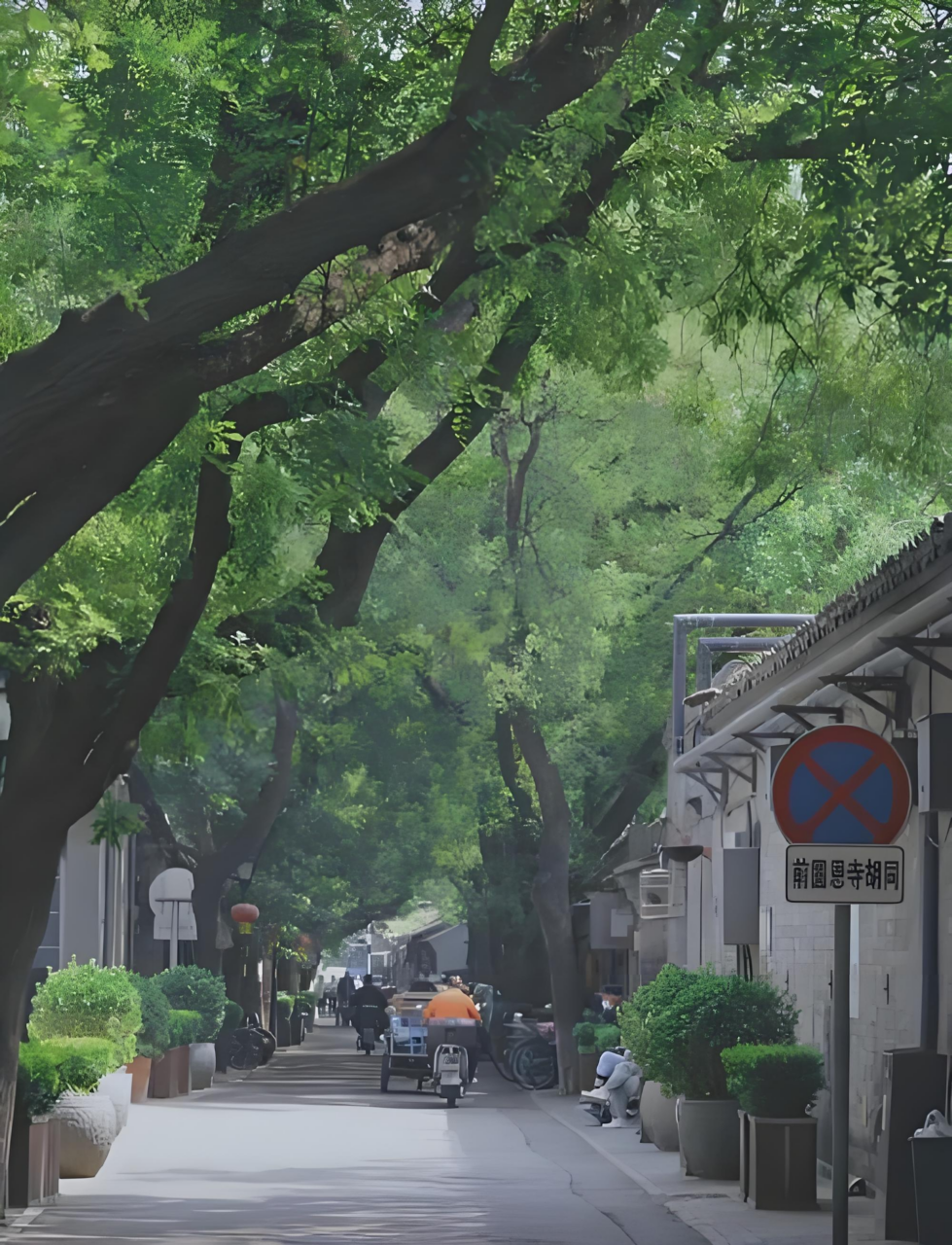
You‘ve probably heard of hutongs — Beijing’s ancient alleyways. But there’s a difference between walking through one and getting lost in them. The first is sightseeing. The second is an experience.
What makes it a challenge: You have to let go. No map. No phone. No plan. Just turn left when it feels right, follow the smell of frying scallion pancakes, and see where the narrow lanes take you. The challenge is resisting the urge to check your location.
Why you should try it anyway:This is how you find the real Beijing. The old man playing chess outside his courtyard. The window where someone’s frying jianbing. The tiny coffee shop tucked behind a bicycle repair stand. The cat sleeping on a doorstep. These moments don’t show up on maps. You have to stumble into them.
Where to do it: Start anywhere between Gulou and Nanluoguxiang, then wander south toward Dongsi. Or start at Andingmen and work your way toward Beixinqiao.
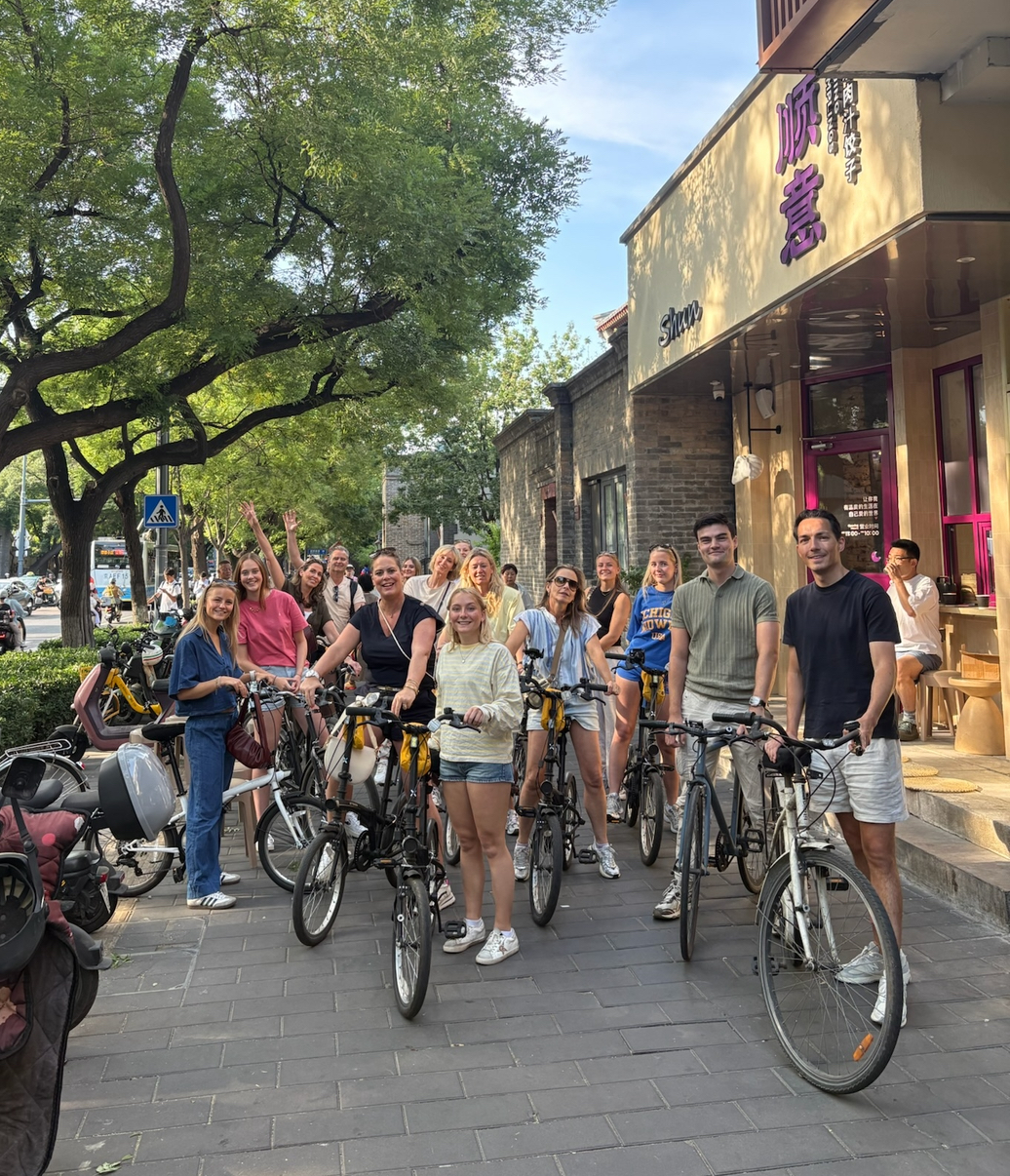
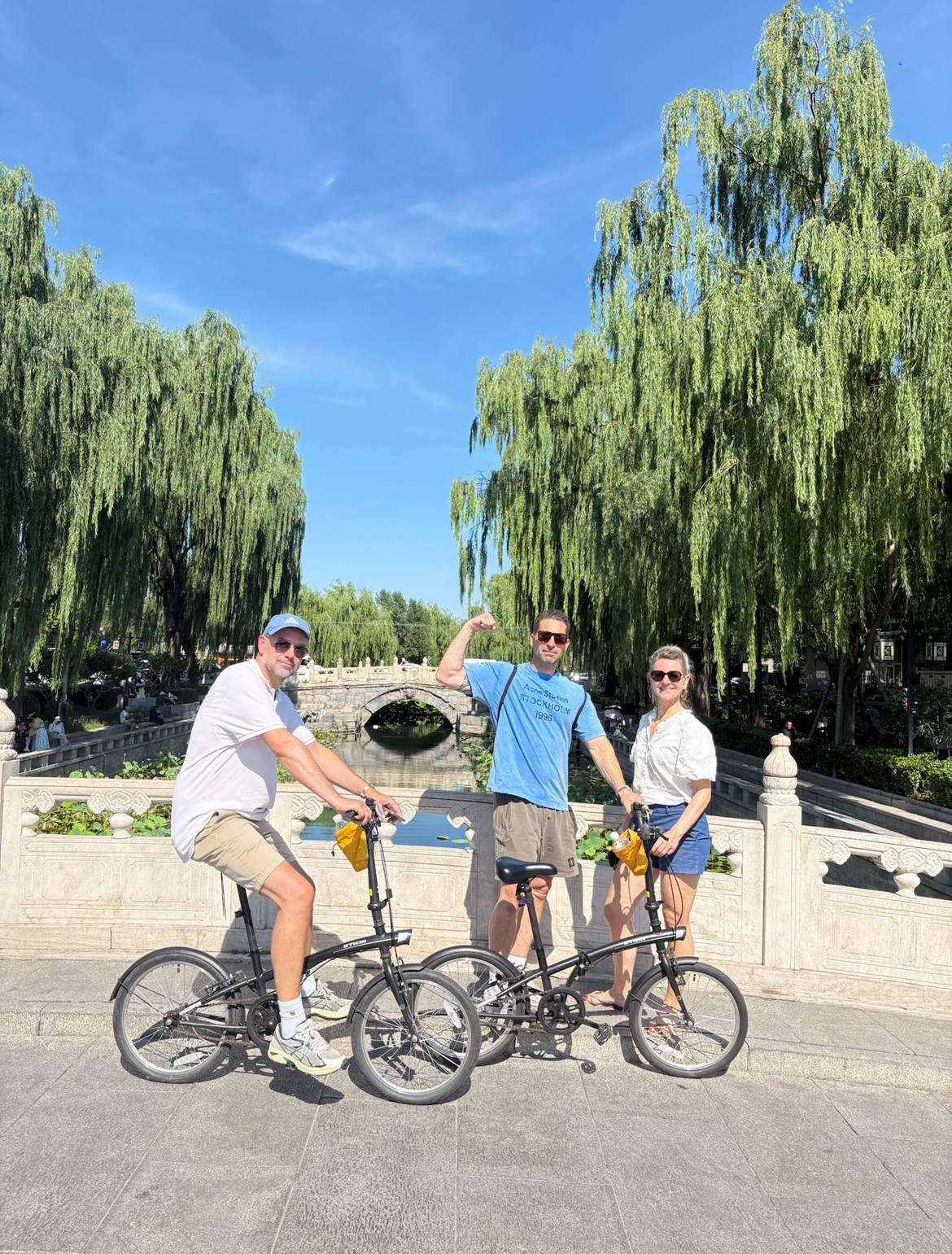
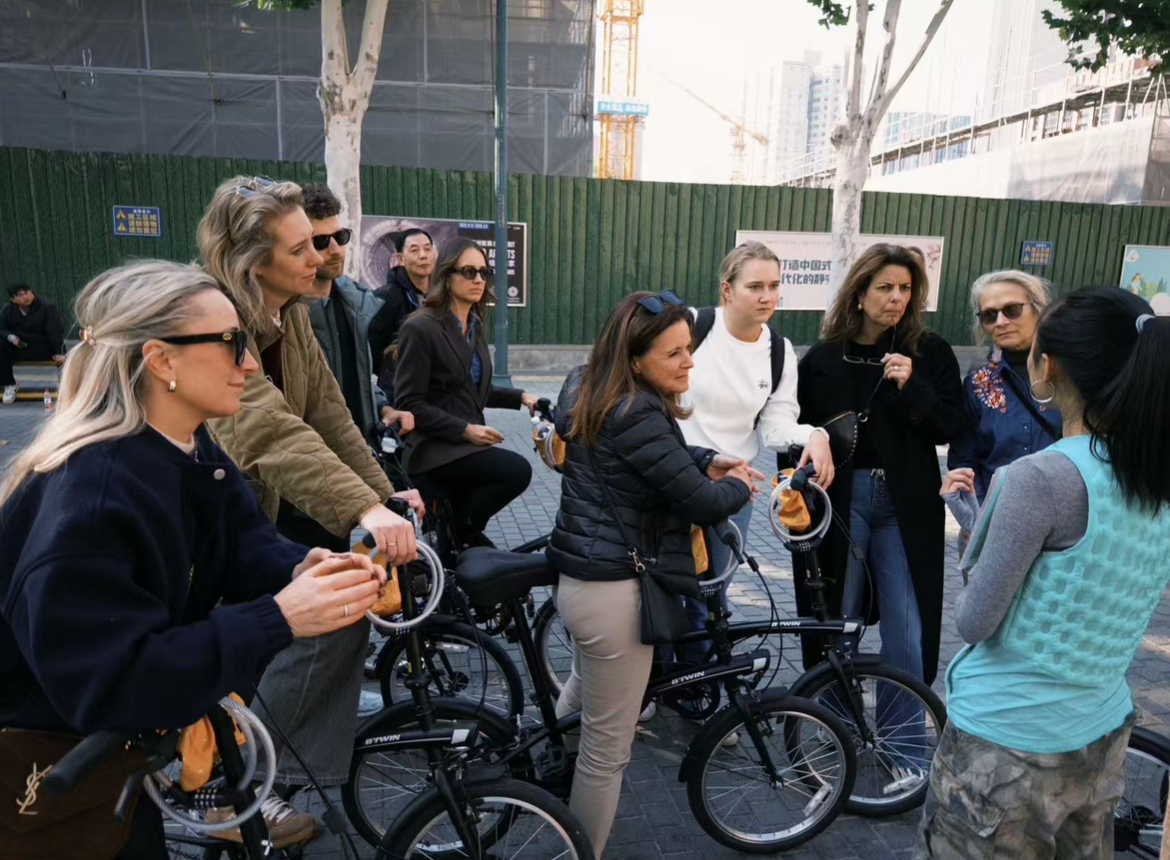
If you’d rather have a guide and a bike, join our Hutong Bike Experience — we’ll take you through the best backstreets, stop for snacks, and share the stories you’d never find on your own.
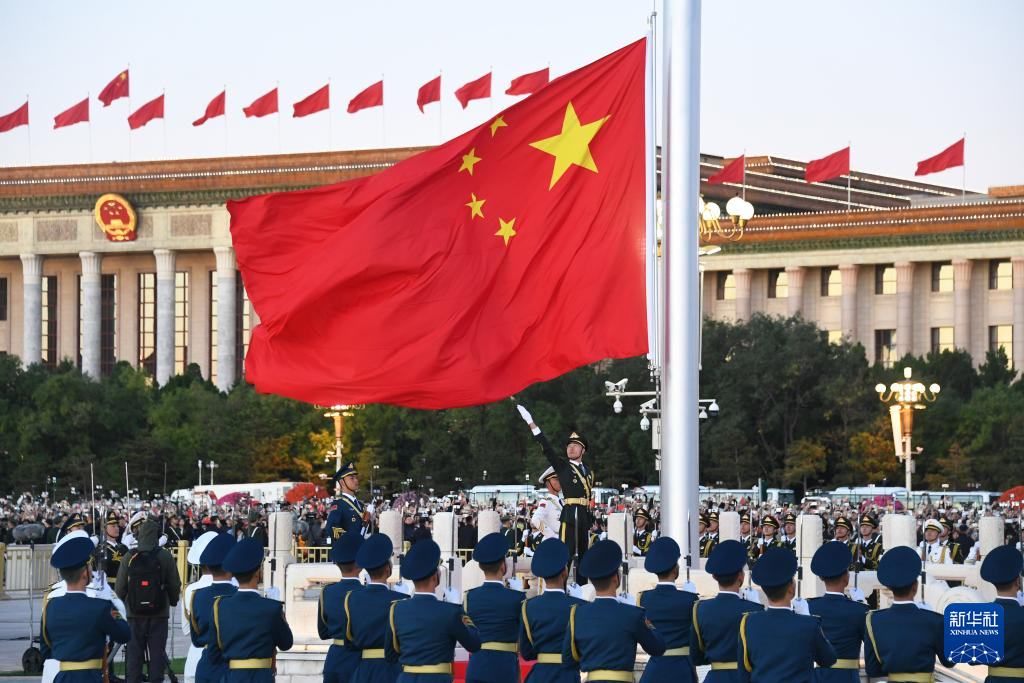
4. Watch the Tian‘anmen Flag-Raising Ceremony – At Sunrise
The flag-raising at Tian’anmen Square is timed precisely to sunrise. Every day, the national flag goes up as the sun rises over Beijing. It’s a military drill performed by the People’s Liberation Army honor guard — precise, dignified, and brief.
What makes it a challenge: You need to be there before 5 AM. In summer, that means waking up around 3:30 AM. The lines are long, the security checks are strict, and you’ll wait for two hours in the dark before the actual ceremony starts.
Why you should try it anyway: It’s a genuinely moving experience. The square is quiet, the sky slowly lightens, and the honor guard marches in perfect synchronization. There’s a collective hush from the crowd — it feels less like a tourist attraction and more like a civic ritual. Also, you’ll earn the right to say “I saw the flag rise over Tian’anmen,” which is a story worth telling.
Where to do it: Tian’anmen Square. The closest subway stations are Tian’anmen East and Tian’anmen West on Line 1. You must reserve in advance via the “Tian’anmen Square Reservation” mini-program.
5. Hike the Wild Great Wall – Not the Restored Sections
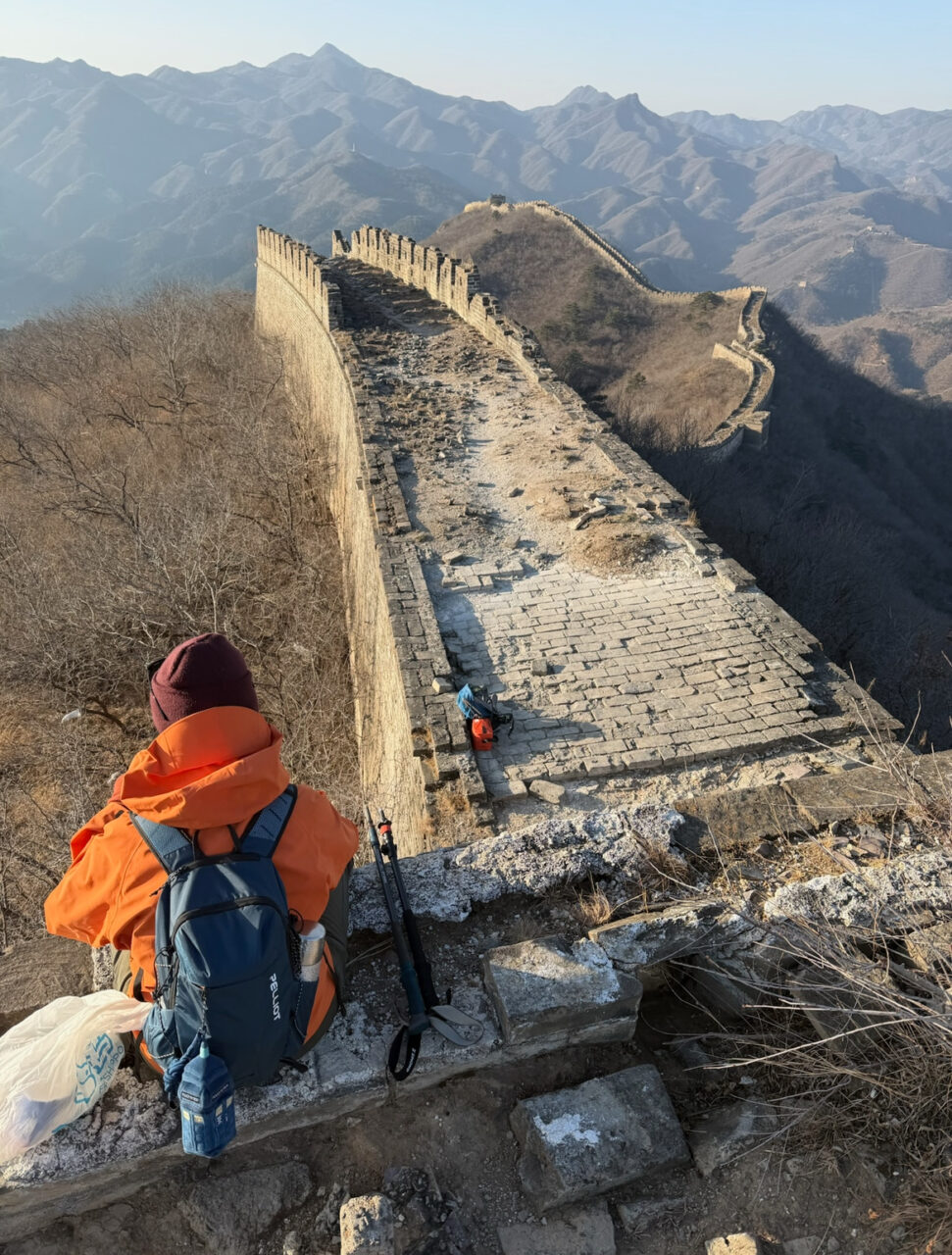
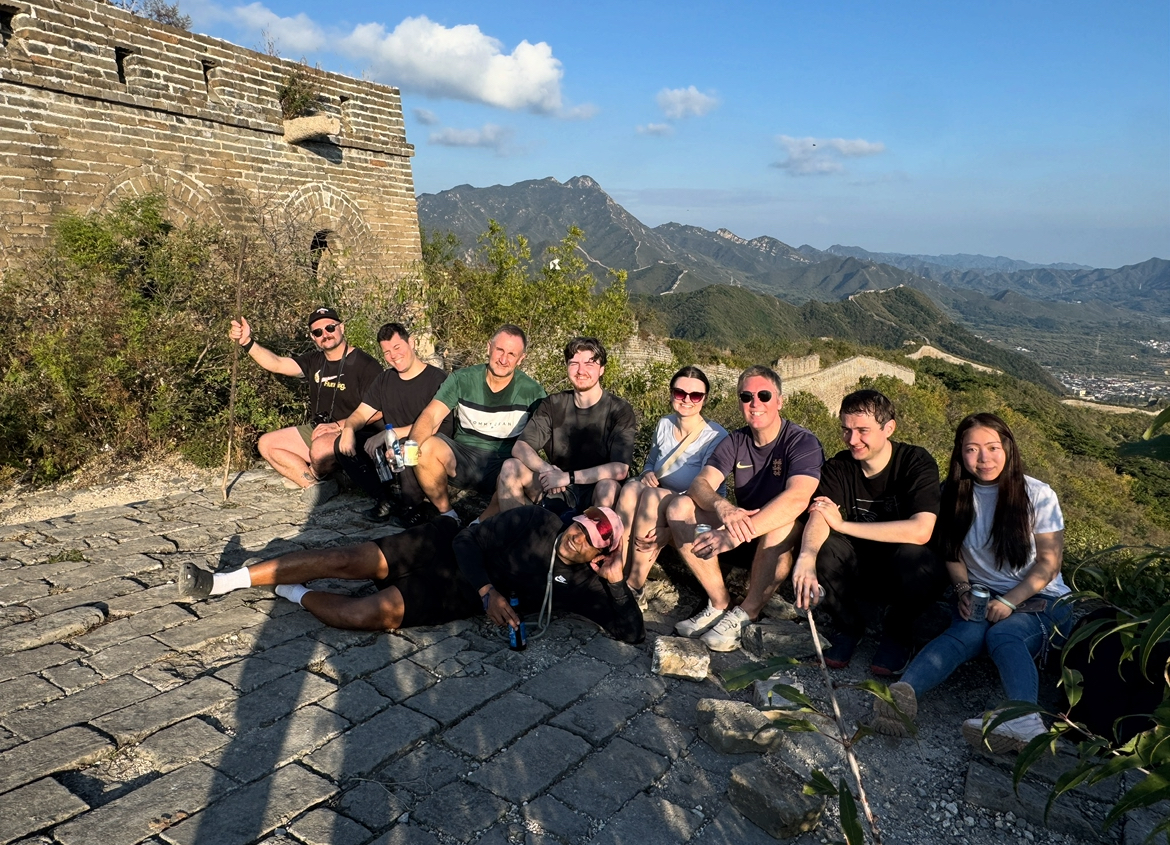
The restored sections are beautiful. They’re also crowded, paved, and sanitized. The wild sections are crumbling, overgrown, and physically demanding. Steep staircases with uneven steps. Slippery rocks. No handrails. No souvenir stands.
What makes it a challenge: The elevation gain. The loose footing. The fear of heights in sections where the wall drops off steeply. And the commitment — once you’re an hour in, turning back is just as hard as going forward.
Why you should try it anyway:Because this is what the Great Wall actually is — a 2,000-year-old defensive structure built into impossible mountain terrain. You feel the history differently when you’re huffing and puffing through it.
Where to do it: The wild sections aren’t signposted and the trails can be confusing — which is why most people don’t find them on their own. That’s where we come in. We run Wild Wall Hikes that take you to safe, stunning, crowd-free sections with a local guide who knows the terrain, the history, and the best spots for photos. No tour buses. No crowds. Just you, the Wall, and a proper adventure.
FAQ:
1️⃣ Is douzhi really as bad as people say, or is it worth trying in Beijing?
It’s genuinely an acquired taste — the fermentation creates a sour, slightly funky flavor that even some locals don’t love. But it’s a 300-year-old Beijing breakfast tradition, and trying it is more about the experience than the flavor. Plus, it’s only 3-10 rmb. You might hate it, but you’ll remember it.
2️⃣ Do I need to speak Chinese to haggle at Beijing markets?
No. Bargaining is mostly math and body language. Hold up fingers for the price, say “太贵了” (tài guì le — too expensive), and walk away. The vendors will follow you with a lower price. Stay friendly — it’s a performance, not a fight.
3️⃣ Which Great Wall section is easiest for a first-time hiker in Beijing?
Check this out “Best Parts of the Great Wall to Hike“. Jinshanling is the most accessible wild section. The hike is long but well-marked, and the paths are manageable for fit beginners. For a guided experience with no route-finding stress, join our Wild Wall Hike — we take you to safe, crowd-free sections with a local guide.
4️⃣ What’s the best way to get lost in Beijing’s hutongs without actually getting stuck?
Start around Gulou or Nanluoguxiang and wander south toward Dongsi. Set a rule — no checking maps for at least two hours. The hutongs are safe, well-populated, and you’ll eventually hit a main road. If you’d rather have a guide, join our Hutong Bike Experience — we do the navigating, you do the exploring.
5️⃣ Is the Tian’anmen flag-raising ceremony worth the early wake-up for travelers in Beijing?
It depends on you. If you find meaning in ritual, precision, and seeing a city wake up — yes. If you hate mornings and crowds, skip it. You need to reserve in advance and bring your passport. The payoff is genuine if the sunrise cooperates.
✨You’re reading a blog from Our Beijing ✨ We design authentic adventures for travelers who want to dive deeper — cycling through hutongs, tasting Beijing’s favorite snacks, and hiking the wild, unrestored Great Wall.