Beijing is famous for the Forbidden City and the Great Wall. But right in the middle of the city — often tucked behind busy streets and hutong walls — you’ll find ancient temples that have stood for centuries.
Here are 5 temples in central Beijing worth visiting:
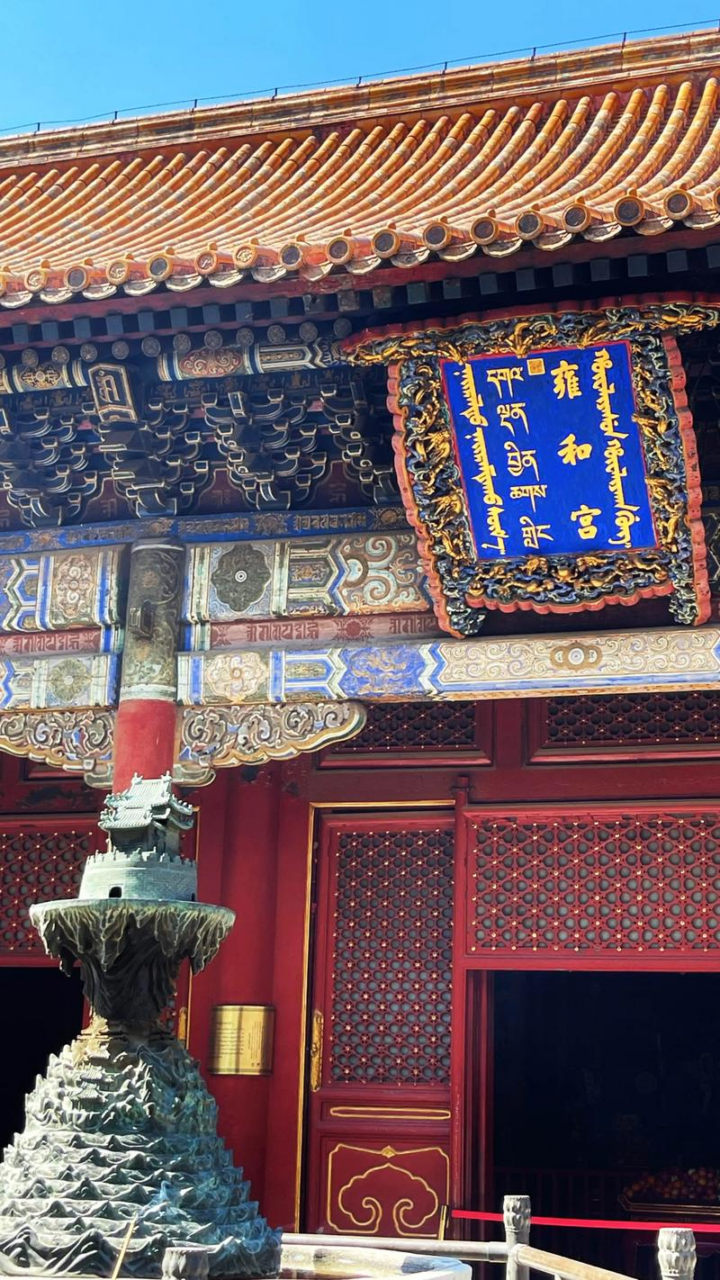
The Lama Temple is Beijing’s most renowned Tibetan Buddhist temple. It was originally the residence of Prince Yinzhen before he became Emperor Yongzheng, making it a “dragon’s lair” that produced two Qing emperors. Consequently, it was built with the yellow glazed tiles and red walls reserved for imperial palaces.
What to expect: The temple features a remarkable 26-meter-tall statue of Maitreya Buddha carved from a single piece of white sandalwood — a Guinness World Record holder. You’ll also see devotees burning incense and hear monks chanting.
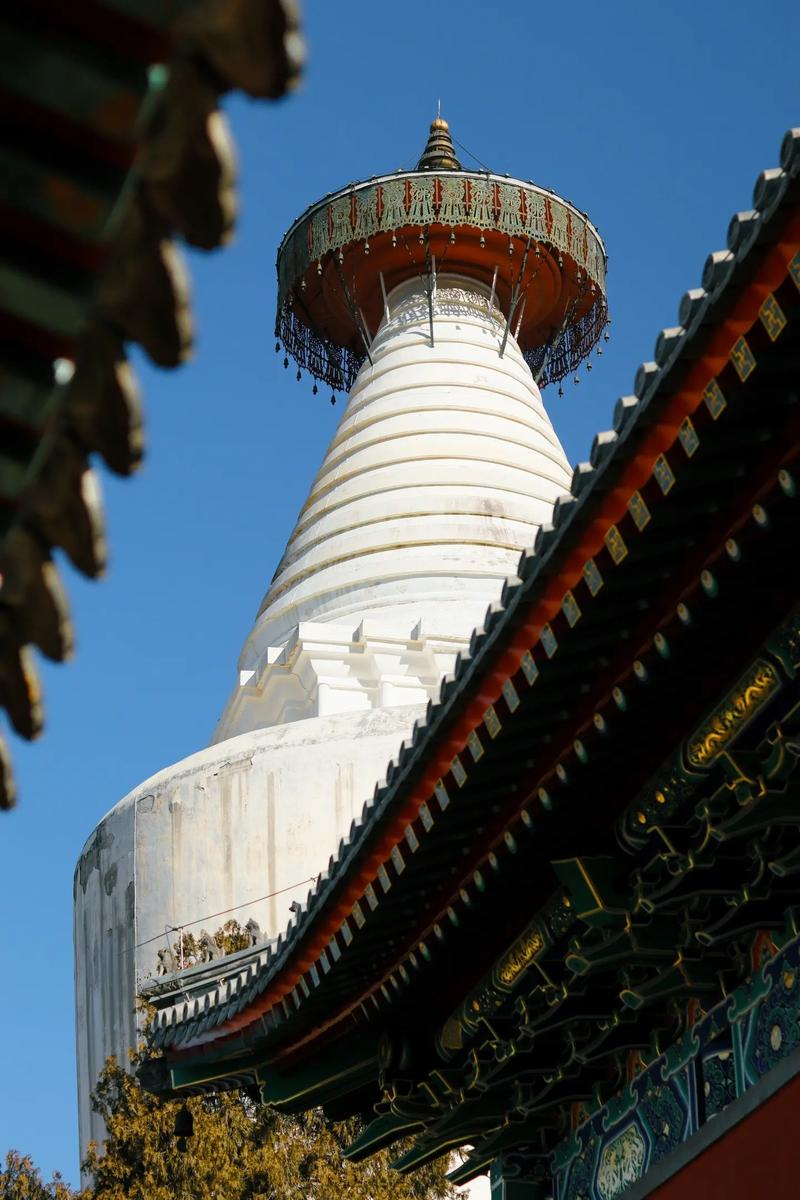
The Miaoying Temple, commonly called the White Stupa Temple, is home to the largest and oldest Tibetan-style stupa in China. Designed by the Nepalese architect Araniko in 1271, the 50.9-meter white stupa has dominated Beijing’s skyline for centuries.
What to expect: The white stupa is a striking sight. The surrounding area has become a trendy spot with modern cafes and shops that still maintain a traditional hutong vibe.
Hours: 9:00 AM – 5:00 PM (last entry 4:30 PM) closed on Mondays
Ticket: 20 RMB
3. Fayuan Temple(法源寺)
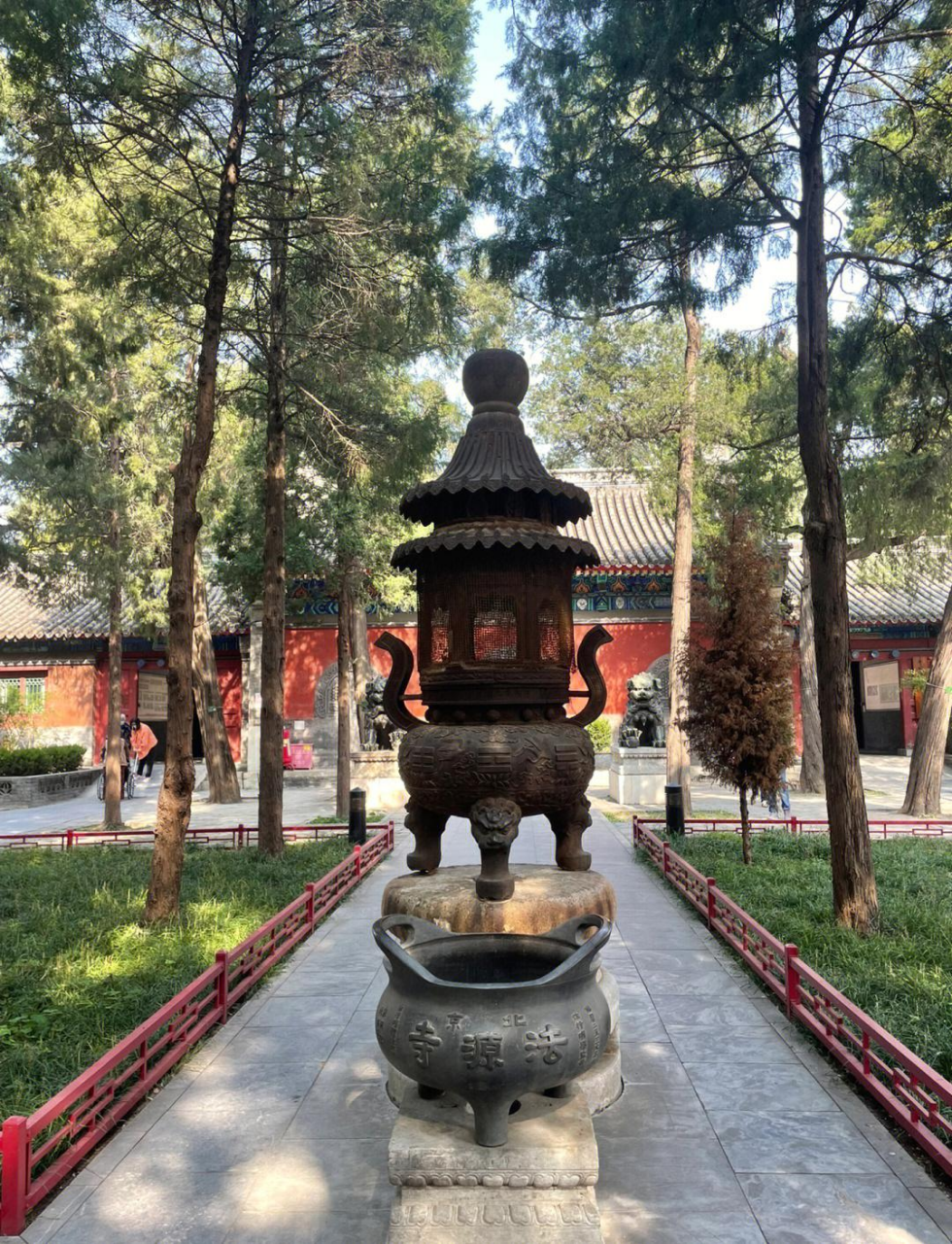
Founded in 645 AD by Emperor Taizong of Tang to mourn soldiers who died in battle, Fayuan Temple is the oldest temple in Beijing’s city center. It was originally named Minzhong Temple (Temple of Compassion and Loyalty). In spring, the temple’s lilac blossoms are famous — called “Xiangxuehai” (Fragrant Snow Sea). It’s also home to the Chinese Buddhist Academy .
What to expect: A seven-hall, six-courtyard complex with Ming Dynasty Buddha statues and ancient steles. The atmosphere is notably peaceful compared to more touristy temples. Visitors often describe feeling a sense of calm and reverence here.
Hours: 9:00 AM – 4:00 PM
Ticket: Free
4. Fire God Temple (火神庙 Huoshenmiao)
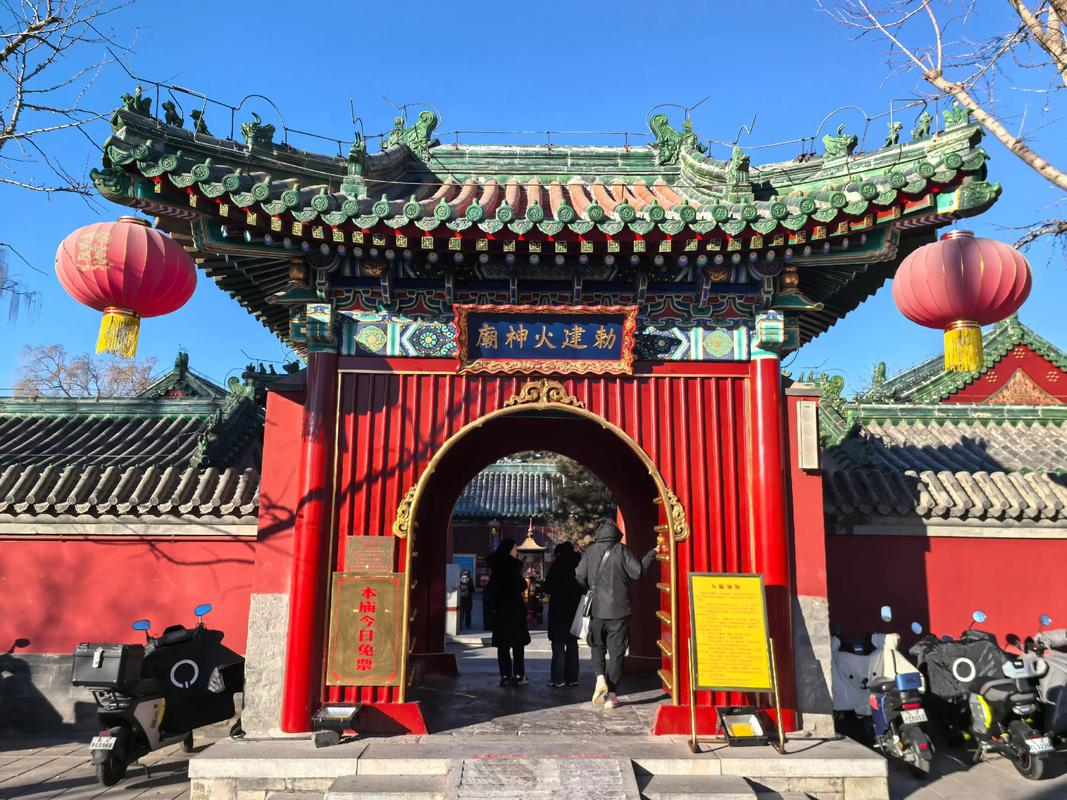
The Fire God Temple, officially named “Chijian Huode Zhenjun Miao” (敕建火德真君庙), is a royal Taoist temple built in 632 AD. Legends say “there was Fire God Temple before there was Beijing”. Emperors once included this temple in their royal sacrificial rites, sending officials to worship here. The Qianlong Emperor himself even came to offer incense.
What to expect: A rare 漆金八角蟠龙藻井 (gilded octagonal coiling-dragon caisson ceiling) in the main hall — intricate and rarely seen elsewhere in Beijing. The temple sits right by Shichahai Lake and the historic Wanning Bridge, once the busiest pier on the Grand Canal. It is also known locally as a place to pray for love and good relationships.
Hours: May-Sep: 9:00 AM – 6:00 PM; Oct-April: 9:00 AM – 5:00 PM
Ticket: Free
5. Wanshou Temple (万寿寺)
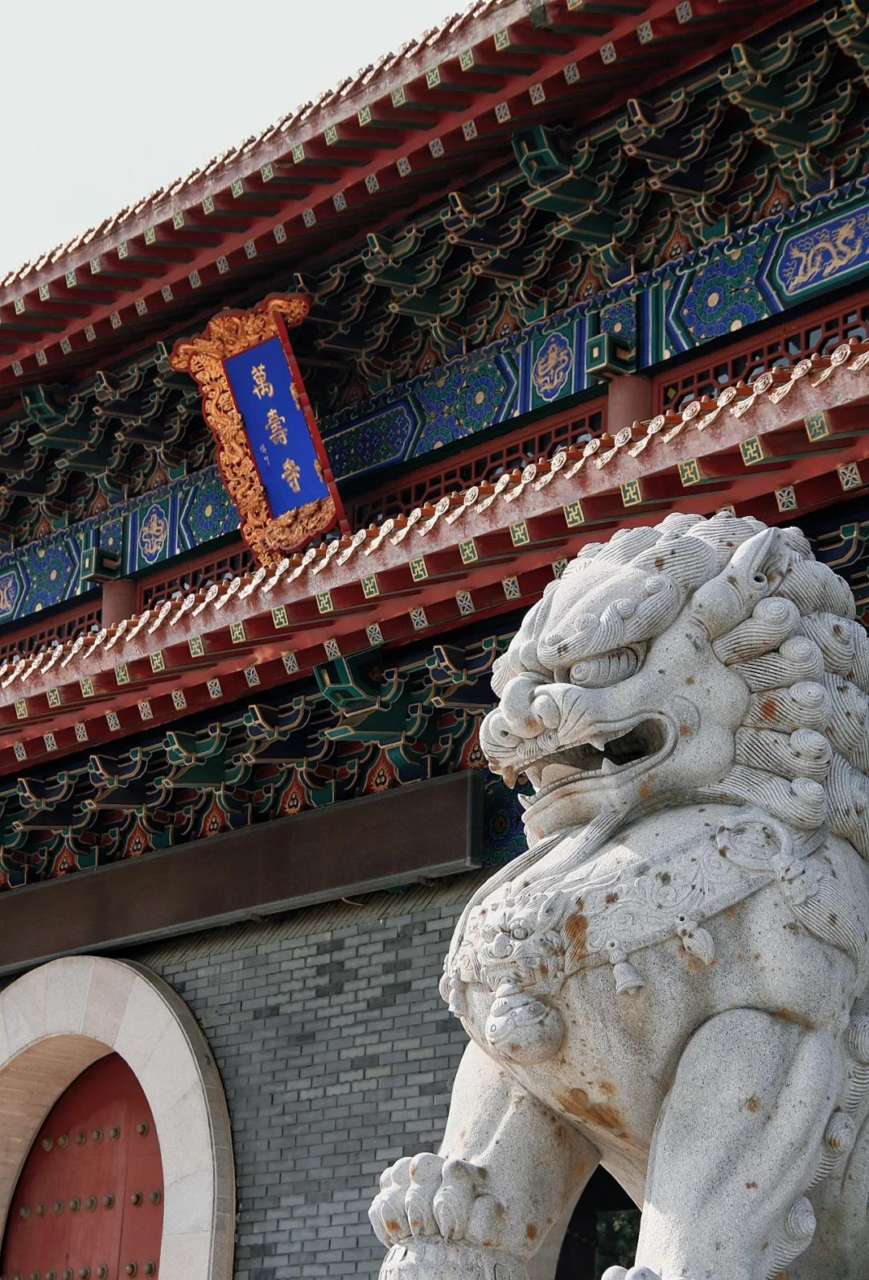
Wanshou Temple was originally built in 1577 during the Ming Dynasty and has been expanded multiple times across the Qing Dynasty. It was a favored stop for emperors traveling by water to the Summer Palace, and later for Cixi. The complex is known as the “Little Forbidden City” because its architecture rivals that of the imperial palace. After a five-year renovation, it reopened to the public in 2022.
What to expect: A three-part complex of temple, gardens, and imperial quarters. It now houses the Beijing Art Museum, which holds nearly 50,000 pieces of traditional art, including works by Qi Baishi, Zhang Daqian, and Xu Beihong.
Hours: 9:00 AM – 5:00 PM (last entry 4:30 PM) closed on Mondays
Ticket: 20 RMB
FAQ:
1️⃣ Are there dress code requirements for visiting temples in Beijing?
Dress respectfully — cover your shoulders and knees. Remove your hat and sunglasses when entering the main prayer halls. Keep your voice down and avoid pointing at Buddha statues.
2️⃣ Can I take photos inside these Beijing temples?
Photography is generally allowed in outdoor areas and courtyards. Inside the main prayer halls, it is often prohibited or discouraged. Look for signs or ask staff.
3️⃣ Which temple is closest to Shichahai and the hutongs?
The Fire God Temple (Huoshenmiao) is right on the eastern shore of Shichahai Lake, surrounded by hutongs and historic sites like the Wanning Bridge.
4️⃣ Do I need to bring my own incense, or can I buy it at temples in Beijing?
You don’t need to bring your own. Most temples in Beijing provide free incense at the entrance.
5️⃣ What is the proper way to offer incense at a temple in Beijing?
In most Buddhist and Taoist temples in Beijing, you will receive three free incense sticks. Hold them with both hands, light them at the candle, then gently fan the flame out (don’t blow it). Face the main hall, bow three times, and make your wish. Place them in the incense burner.
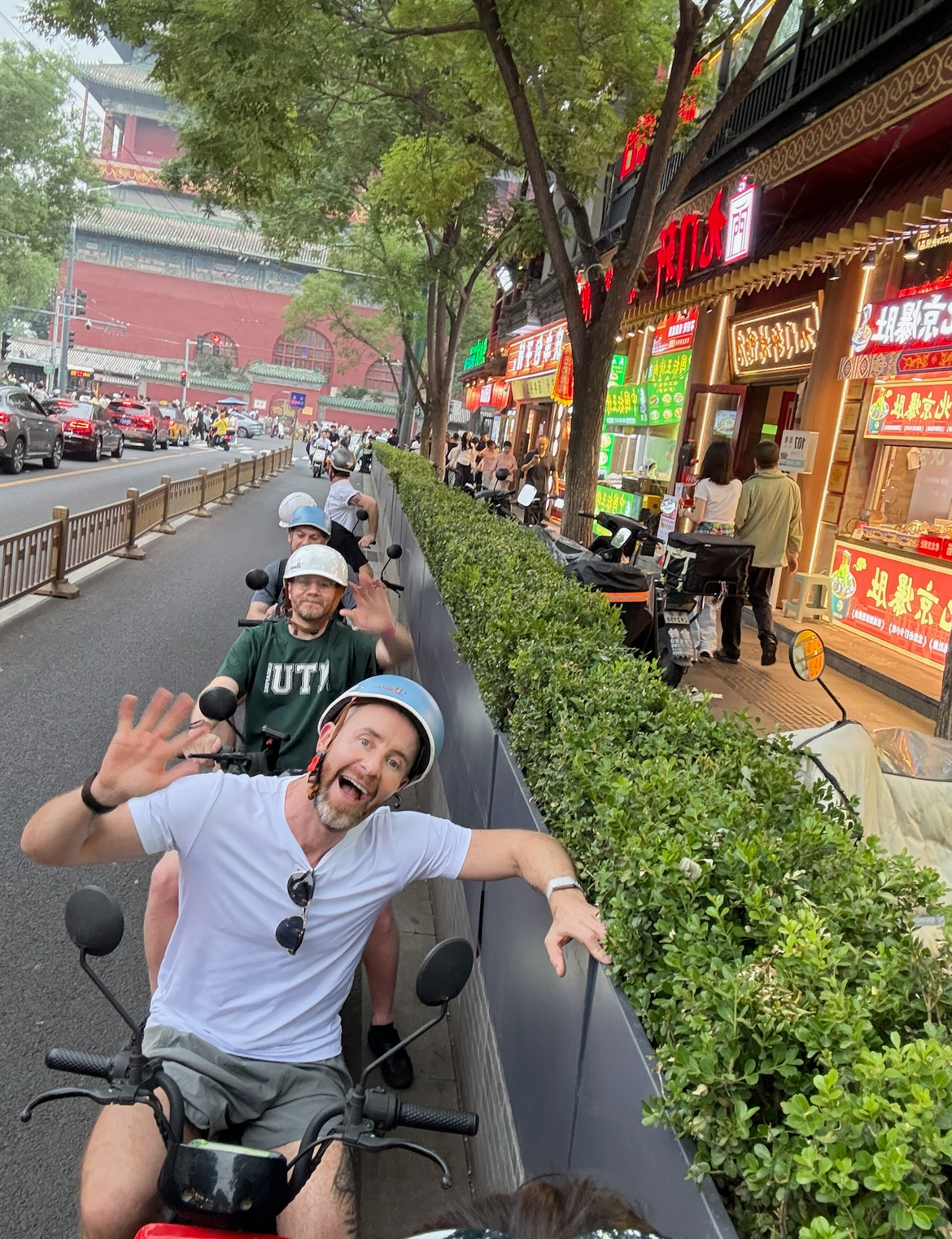
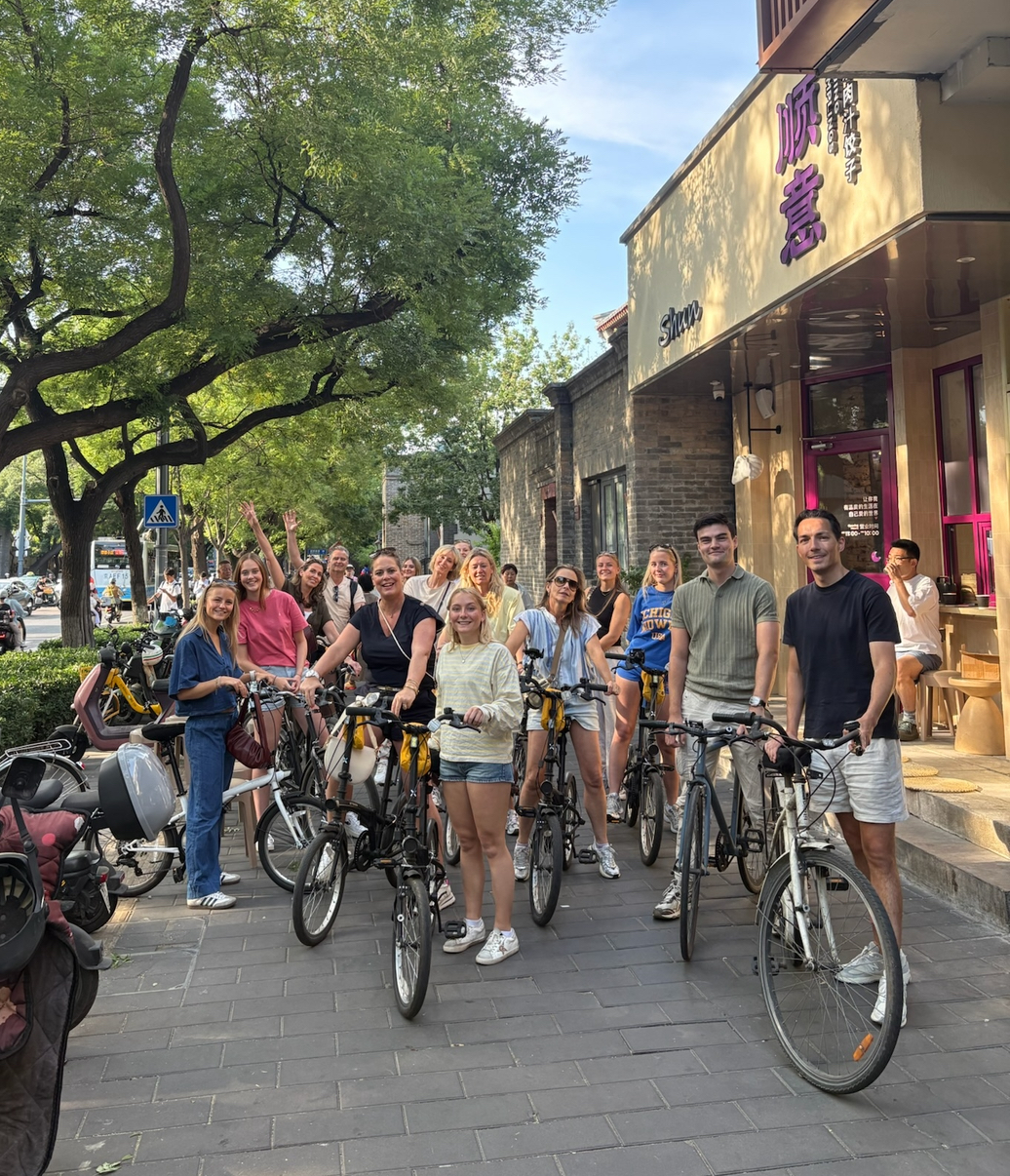
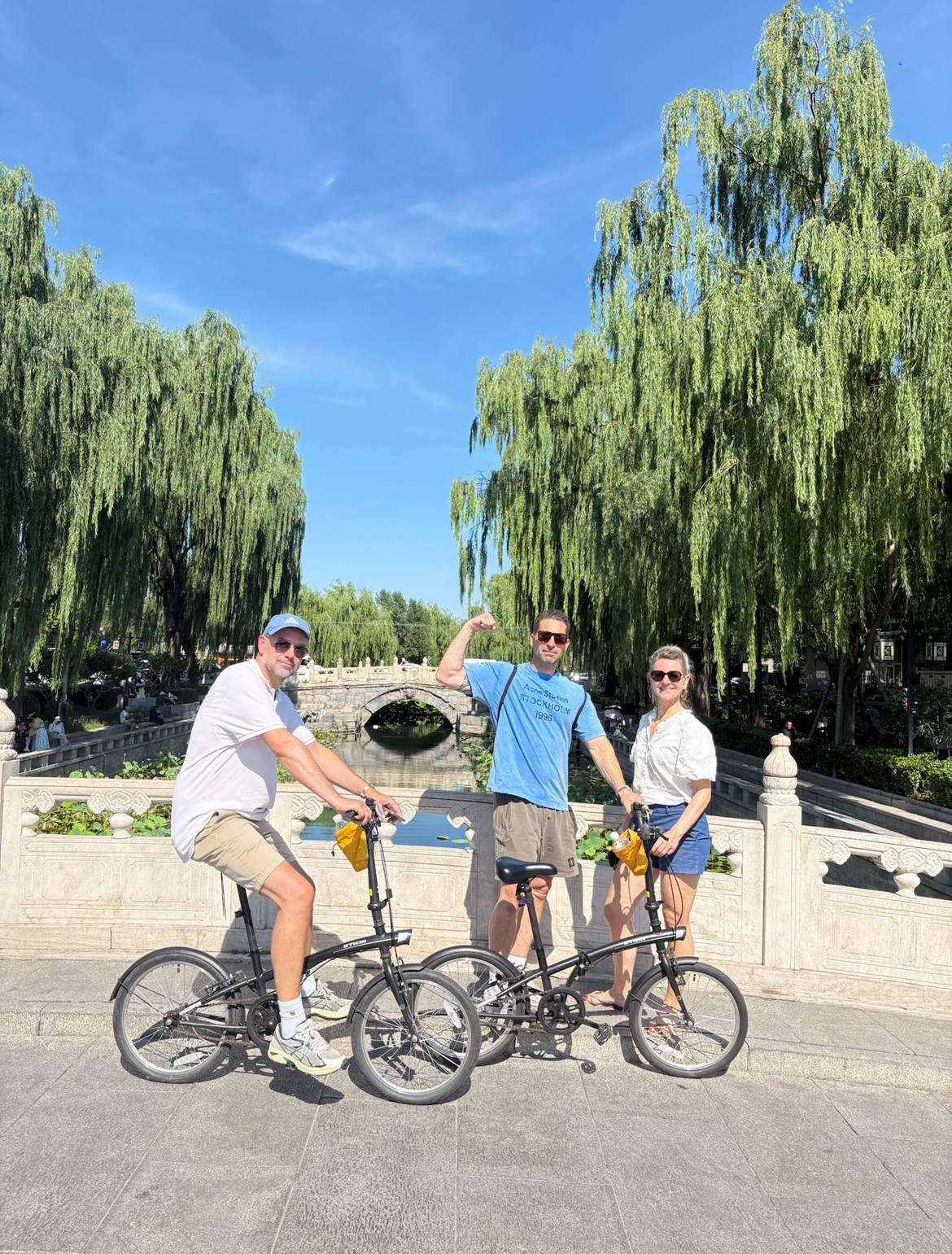
✨You’re reading a blog from Our Beijing ✨ We design authentic adventures for travelers who want to dive deeper — cycling through hutongs, tasting Beijing’s favorite snacks, and hiking the wild, unrestored Great Wall.