What Typical Chinese Breakfast to Eat in Beijing? 🍴
In our last post, we shared with you 5 best spots for Western brunch. 😋 This time Our Beijing is introducing to you the typical Chinese breakfast!
What Is a Typical Chinese Breakfast?
First, forget the idea of “breakfast foods” vs. “lunch foods.” In China, anything goes. But there are a few classics you’ll see everywhere, from street carts to hole-in-the-wall shops .
Here are the ones you’re most likely to encounter — and actually enjoy.
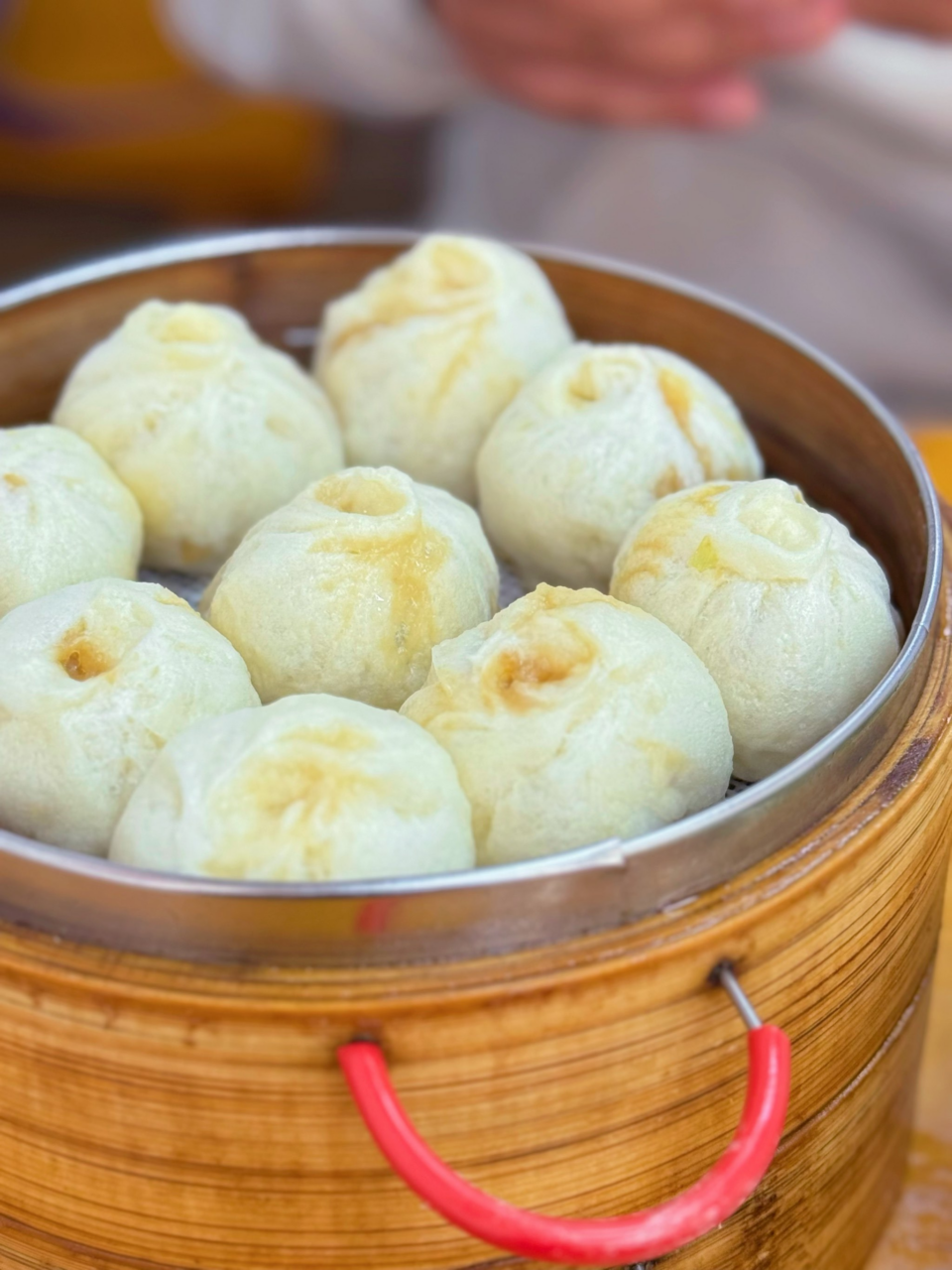
Xiaolongbao 小笼包 (Soup Dumplings)
What it is: Small, delicate dumplings filled with pork and a little hot, savory soup inside.
What to expect: These are steamed in bamboo baskets. Bite gently — the soup is hot.
Why you should try it: It‘s a perfect bite. Soft wrapper, rich broth, and savory meat all in one.
Pinyin:xiǎo lóng bāo
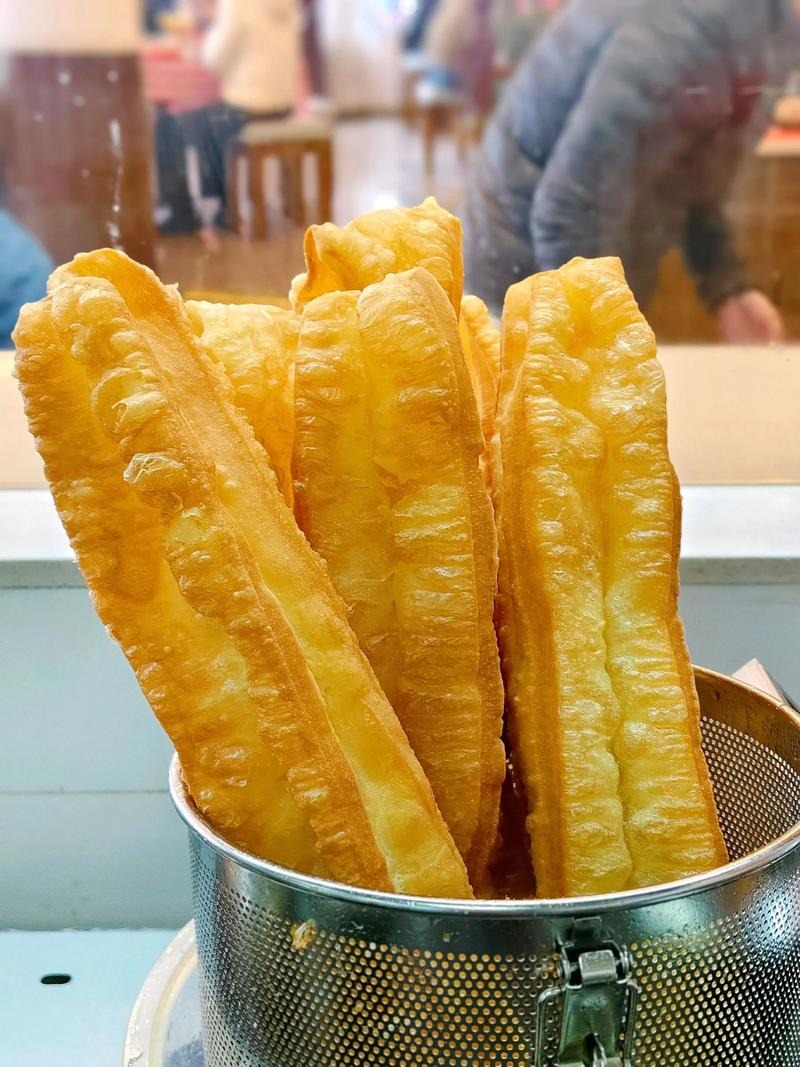
Youtiao 油条 (Fried Dough Sticks)
What it is: Long, golden, puffy strips of fried dough. Think churro but a bit savory and less sweet.
What to expect: Crispy on the outside, airy on the inside. Usually torn into pieces and dipped into warm soy milk (see behind).
Why you should try it: It’s simple, satisfying, and impossible to eat just one.
Pinyin:yóu tiáo
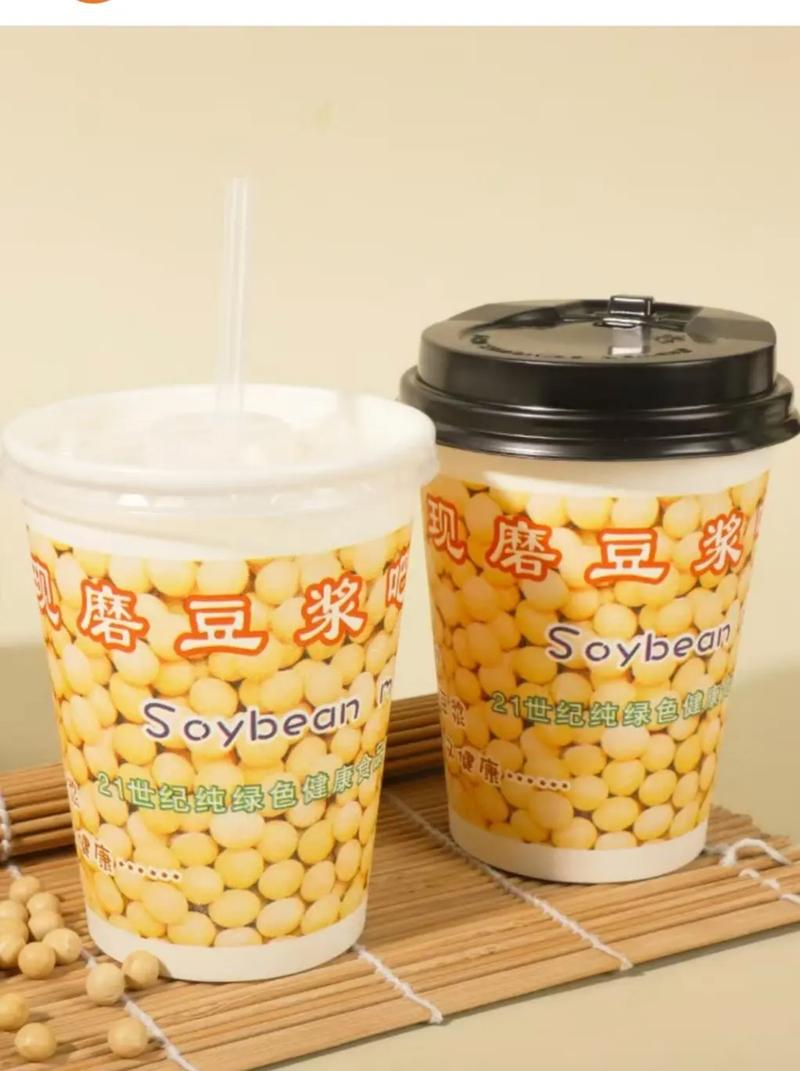
Doujiang 豆浆 (Soy Milk)
What it is: Freshly made hot soy milk. You can add sugar in it and have with Youtiao.
Pinyin:dòu jiāng
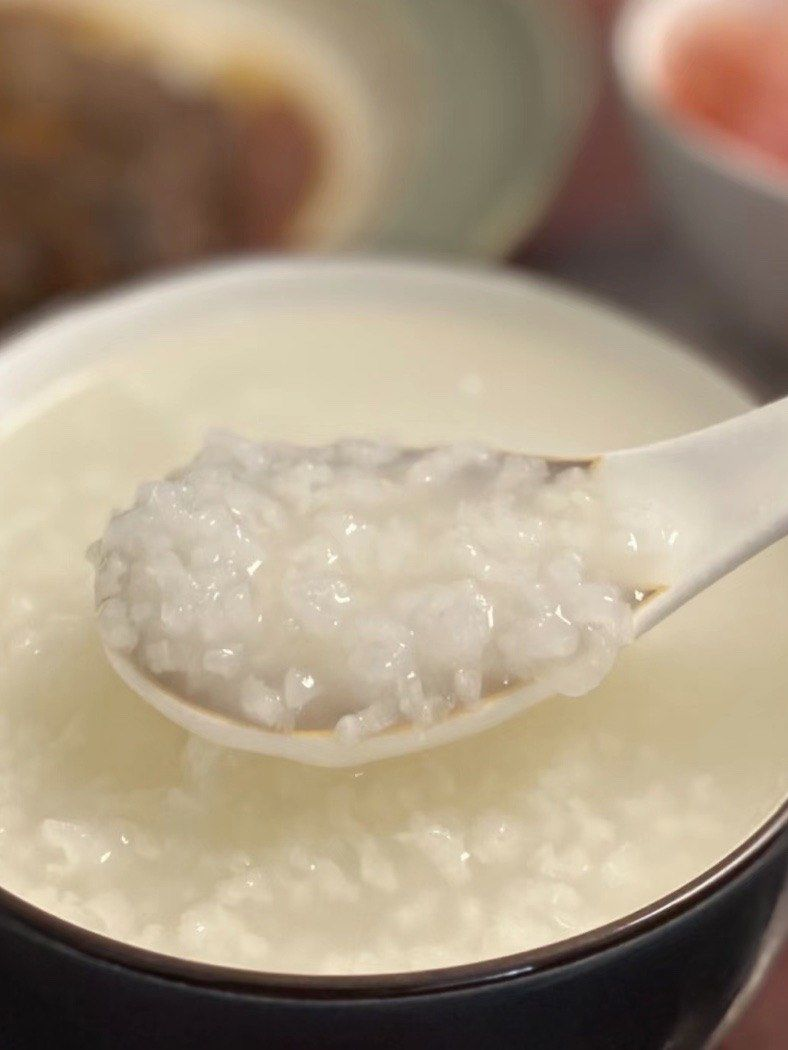
Zhou 粥 (Rice Porridge)
What it is: Rice cooked with lots of water until it breaks down into a thick, creamy porridge.
Why you should try it: It’s cheap, filling, and feels like a warm hug on a cold or rainy Beijing morning.
Pinyin:zhōu
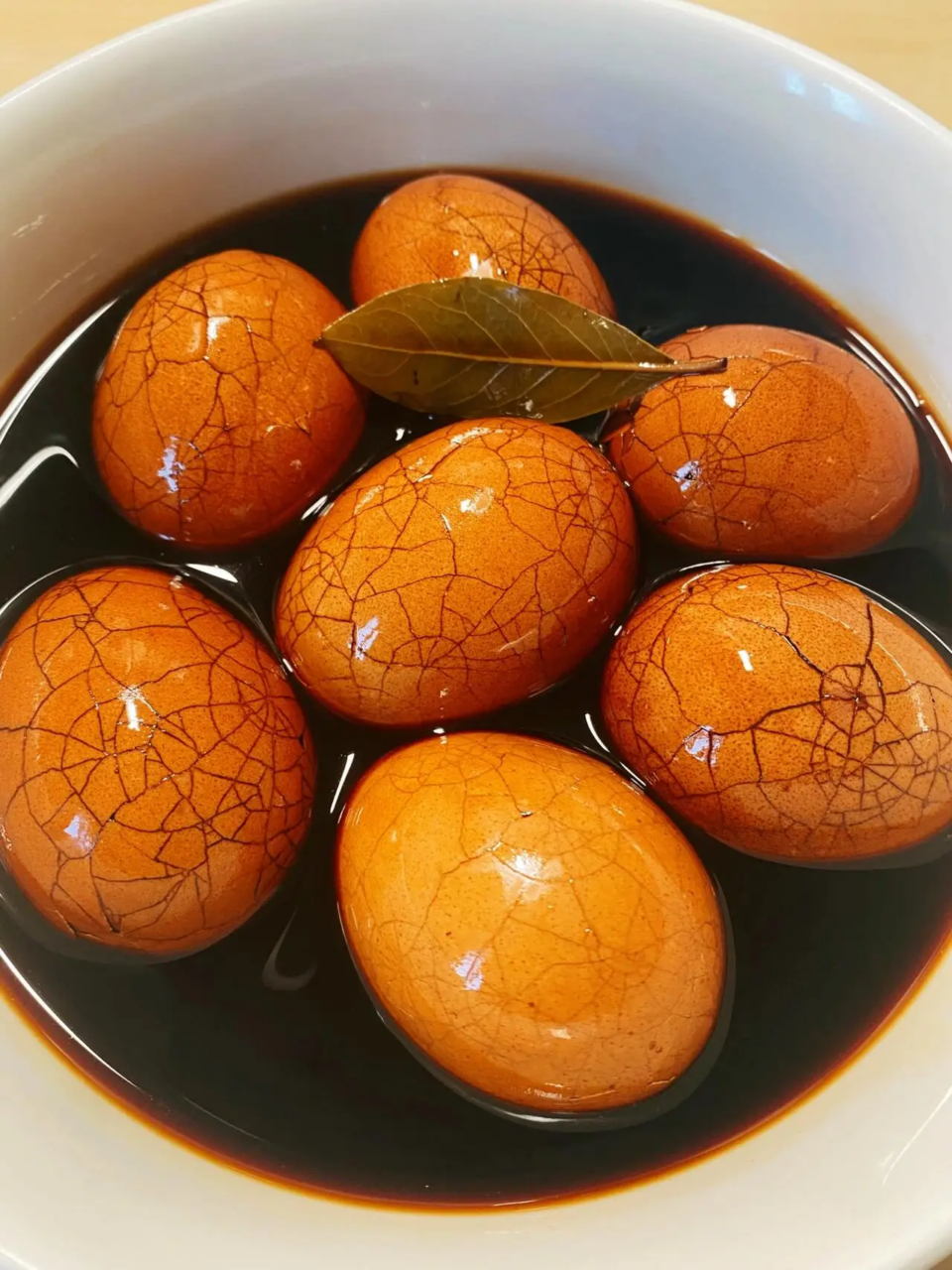
Chayedan 茶叶蛋 (Tea Eggs)
What it is: Hard-boiled eggs cracked and simmered in tea, soy sauce, and spices (star anise, cinnamon, Sichuan peppercorns).
What to expect: The cracks create beautiful marble patterns on the egg white. The flavor sinks deep into the egg.
Why you should try it: They’re swimming in a pot of dark liquid at almost every breakfast shop. Grab one as a snack.
Pinyin:chá yè dàn
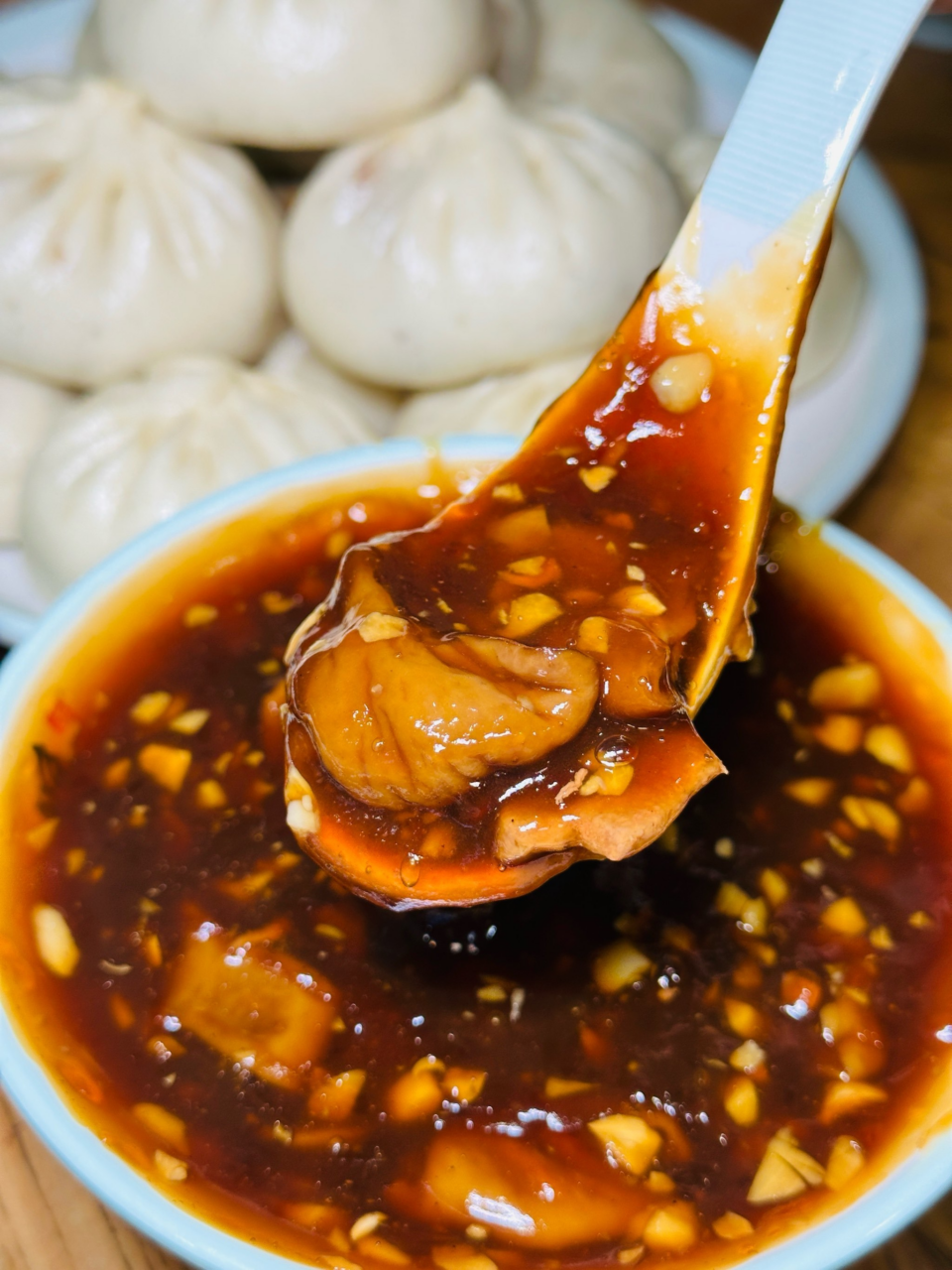
Chaogan 炒肝 (Stir-Fried Liver)
What it is: A thick, garlicky, gravy-like soup made with pork liver and intestines. Despite the name, it’s not stir-fried — it’s more of a stew .
What to expect:This one is not for everyone. The flavor is savory, slightly iron-rich from the liver, and intensely garlicky. Traditionalists eat it by holding the bowl in one hand and hovering their lips over the rim, taking small sips without a spoon .
Why you should try it: It’s perhaps the most “Beijing” breakfast on this list. Challenge yourself.
Pinyin:chǎo gān
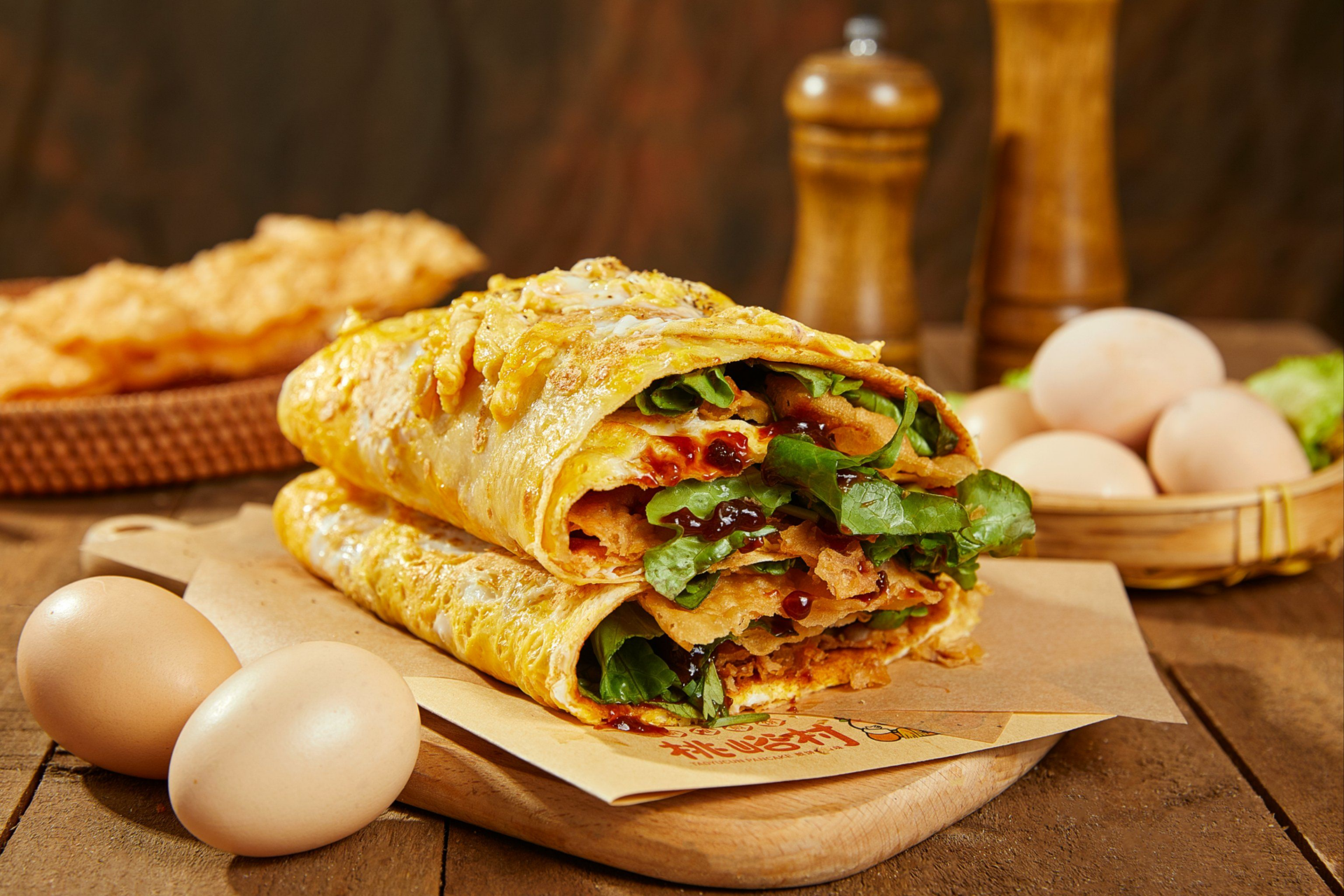
Jianbing 煎饼 (Savory Crepe)
What it is: A crispy-yet-chewy crepe made from mung bean or wheat batter, cooked on a round griddle with egg, scallions, cilantro, crispy cracker, hoisin sauce, and chili oil .
What to expect: The vendor will make it fresh in front of you — cracking an egg onto the batter, spreading sauces, folding it into a neat package.
Why you should try it: It’s arguably the best street breakfast in China. If you want to make one by yourself, Our Beijing has Jianbing workshops for you!
Pinyin:jiān bǐng
FAQ:
1️⃣ How can I find a good breakfast place in Beijing as a foreigner? Look for storefronts with the characters 早餐 (zǎocān) or 早点 (zǎodiǎn). Follow the morning crowds — if locals are lining up, it’s good. Arrive before 9:30 AM, as many shops sell out or close by late morning .
2️⃣ Do these Beijing breakfast shops have English menus? Almost never. But you can point at pictures on your phone, show the Chinese names of dishes below, or use a translation app. Vendors are fast-paced but friendly — just smile and point.
3️⃣ Is Beijing breakfast vegetarian-friendly? Yes. Jianbing can be ordered without eggs. Avoid Xiaolongbao and Chaogan (these contain meat).
4️⃣ Can I use a foreign credit card at breakfast spots in Beijing? No. But you can link your foreign credit card to Alipay or WeChat Pay before you arrive — scanning a QR code works everywhere. Cash (small bills) is also accepted at most street stalls.
5️⃣ Is Chinese breakfast safe for foreigners with sensitive stomachs? Yes — most of it is freshly cooked and perfectly safe.
✨You’re reading a blog from Our Beijing ✨ We design authentic adventures for travelers who want to dive deeper — cycling through hutongs, tasting Beijing’s favorite snacks, and hiking the wild, unrestored Great Wall.