Picture this: a savory steam rises into the warm summer air from the sizzling iron pan at a roadside food stall. You stand on the side of a hutong in the heart of Beijing, holding a warm, paper-wrapped street snack in one hand. You are swirling a beautifully crafted, terroir-driven wine in the other. 😌
For a long time, sommeliers locked wine culture inside fine-dining rooms, paired strictly with white tablecloths and classic European dishes. However, on the other side of the planet, China’s modern wineries are rewriting the rules. Local winemakers are stepping onto the scene to craft vibrant, expressive bottles that deliver bold, local flavors.
If you have ever wondered what wine goes with Chinese food, you are unlikely to find the answer in a textbook. It is found on the streets and with the people who deeply understand Chinese wines. To get you started,
here are 4 unexpected pairings where regional craft wine meets iconic Chinese street food:
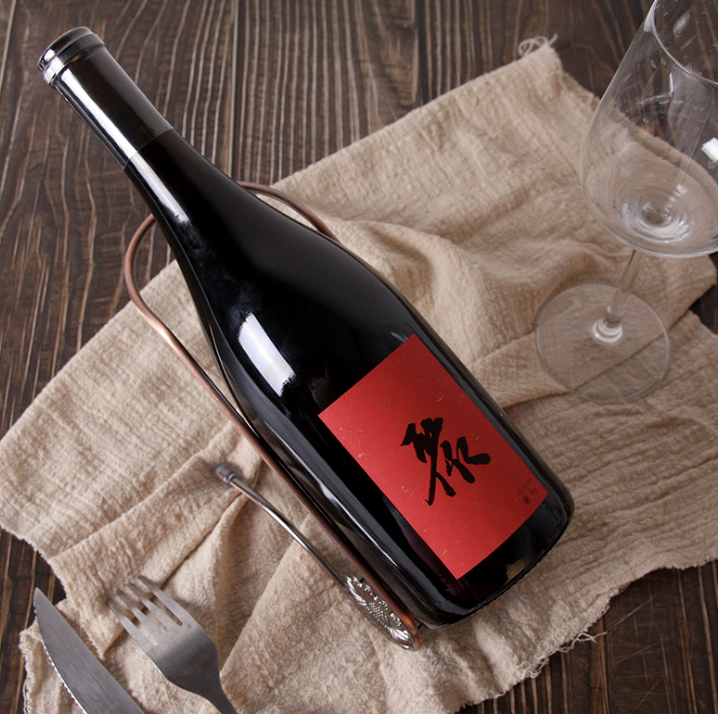
This bottle comes from a pioneering, low-intervention nomadic winery. The winemaker collaborates with independent growers across China to capture authentic expressions of the land. This includes growers in Huailai, Hebei Province—just one hour northwest of Beijing—which is considered a “local” grape-growing region for the capital city. The dramatic day-to-night temperature swings in Huailai allow the grapes to develop deep flavors while retaining a vibrant, electric acidity, keeping the Syrah fresh and peppery.
Then comes the crispy Niu Rou Bing, frequently dubbed by locals the “imperial minced-beef pancake.” While a heavy, high-alcohol red would overwhelm the pancake, the Syrah’s natural peppery spice mirrors the seasoning of the beef. Better yet, its bright mountain acidity slices right through the rich oils of the fried crust, resetting your palate after every single bite. To get your trip started, nothing is more iconic in Beijing than a glass of Huailai Syrah alongside a hot, crispy Niu Rou Bing.
Named after ancient Chinese poetry, the “Chapter & Verse” red blend comes from an estate representing the pinnacle of modern, scientific winemaking in China. It is a sophisticated, tech-forward operation driven by meticulous soil mapping and academic precision, setting the benchmark for fine wine in the Huailai region. From the high-altitude slopes near the Guanting Water Reserve, the grapes from this estate present incredible structural focus and elegant tannins.
Then there is Jianbing, Beijing’s ultimate street breakfast—a combo of egg, scallion, cilantro (aka coriander), and a generous layer of savory, sweet bean sauce, all hugged around a crunchy fried cracker. To pair with this, you need a wine with immaculate structure. This red blend delivers ripe dark-cherry and plum fruit, wrapped in fine-grained tannins. The dark fruit profile creates an instant, savory harmony with the sweet bean sauce. At the same time, those polished tannins effortlessly absorb the richness of the egg and fried elements, turning a busy street snack into something surprisingly refined.
This bottle of Chardonnay is the crown jewel of a boutique, small-scale estate that pays extreme attention to detail. They are highly regarded for taking classic international grape varieties and integrating them into the rugged terroir of the eastern foothills of the Helan Mountains in Ningxia. The prestigious, sun-drenched foothills provide a high-altitude, semi-arid desert environment where intense solar radiation produces grapes with incredible concentration and plush fruit profiles.
Now, Kao Leng Mian (grilled sheet noodles) is an absolute flavor riot. It is chewy, smoky, and thoroughly glazed in a sweet, sour, and spicy sauce alongside cilantro (aka coriander) and onions. It is a wine pairing nightmare on paper. But this award-winning Chardonnay handles it with ease. Because of the desert sun, this white wine boasts a rounded body packed with bright citrus and tropical fruit notes, anchored by a distinct mineral backbone from the mineral-rich Yellow River water. That generous fruit profile acts as a cushion for the flavorful sauce, while the wine’s underlying crisp acidity cuts through the dish’s oiliness, keeping the heavy, elastic texture of the noodles feeling fresh and lively.
Run by the same boundary-pushing natural wine team behind the Huailai Syrah, this bottle is deliberately different. They purposefully ignore traditional blending rules, focusing instead on drinkability and creative expression. This wine is a “field blend,” combining seven red and white grape varieties from multiple vintages to create a bright, juicy, chillable red.
You have probably heard of Xi’an’s legendary Roujiamo, featuring a dense, crispy flatbread stuffed with slow-stewed, fatty, heavily spiced pork. Traditional, heavy red wines fail here because high tannins will surely clash with the complex spices. This low-tannin blend, admired for its floral aromas and red fruit tones, is the ideal antidote. It acts less like a heavy alcoholic beverage and more like a vibrant, refreshing fruit pairing. The wine’s nimble mouthfeel cuts the pork fat beautifully, while its lifted aromatics complement the cloves, cinnamon, and star anise of the stewed meat without friction.
Absolutely! While mass-market commercial brands used to dominate the landscape, the real excitement today is in the boutique, independent estates. They are cleaning up at international awards and turning the focus toward authentic, low-intervention expressions of the local land.
China’s wine map is incredibly diverse. Here are the big 4 to keep on your radar:
Ningxia: The powerhouse of Chinese wine. Nestled in a high-altitude, semi-arid desert patch by the Helan Mountains, it is famous for bold, sun-soaked, powerful reds and rich, textured whites.
Hebei: The high-altitude, cool-climate homebase (particularly the valleys of the Guanting Water Reserve). Favored for its dramatic day-night temperature shifts and water-regulated microclimates, it yields deeply structured single-varietals.
Yunnan: Think jaw-dropping high altitudes in the foothills of the Himalayas, like Shangri-La. The extreme elevation means intense sunlight but cool mountain air, giving the wines a striking freshness, deep color, and a crisp alpine acidity. It’s where some of China’s most sought-after, ultra-premium boutique bottles are being born.
Shandong: The historic cradle of modern Chinese winemaking, centered around coastal peninsulas like Yantai and Penglai. Because it is a maritime climate influenced by ocean breezes, the wines here tend to be more elegant, lighter-bodied, and classic in style.
No. The best pairings happen when you stop overthinking. Trust your taste buds. If a sip of wine makes you want another bite of food, that’s a good pairing. This guide skips the snobbery and focuses on what actually works.
It means letting the land speak for itself without the safety net of industrial winemaking. Creators use native, wild yeasts found naturally on the grape skins rather than lab-grown commercial options. It results in wines that taste alive and beautifully unpredictable. This winemaking method is highly popular among Chinese wineries.
You can find quality Chinese wine at specialty bottle shops. Some larger supermarkets like Jenny Lou’s also stock a selection. You can also find some wines from our partner 😉
Want to experience these flavors firsthand? We design casual, deeply human wine and street food experiences that strip away the snobbery of the wine world. Join us on our walk around Beijing, and let’s toast to China’s innovative winemakers.
✨You’re reading a blog from Our Beijing ✨
We design authentic adventures for travelers who want to dive deeper
— cycling through hutongs, tasting Beijing’s favorite snacks, and hiking the wild, unrestored Great Wall.