
September 27, 2026
Hanfu Dresses in Beijing: What Are People Wearing?
Most Common Questions Our Guests Ask | Our Beijing, Part 1
Hanfu dresses in Beijing often catch our guests’ attention. You’re exploring the hutongs when someone passes in flowing skirts, embroidered layers and carefully arranged hair ornaments. Against the grey brick walls, the outfit makes you stop and look.
What are they wearing? Is there a festival? And would it be okay to ask for a photo?
We very often see people wearing these beautiful outfits on The Hutong Experience, and we often end up taking photos together. These encounters spark questions about fashion, history and life in Beijing today.
That’s the idea behind this series: the most common questions our guests ask while exploring Beijing with us. Each post shares an answer, plus a taste of what you might see, encounter and discuss on an experience.
What are hanfu dresses?
Hanfu (汉服) is a broad term for traditional clothing associated with the Han Chinese, including modern outfits inspired by historical styles. It covers many garments and periods of history, rather than one particular dress.
Although visitors often search for “hanfu dresses in Beijing”, hanfu includes clothing for men and children too. An outfit might combine a top and skirt or several layers of robes. Shapes, collars and sleeves vary between styles. Explore the history and variety of hanfu.
As a result, a group dressed in hanfu may be wearing several different styles. You don’t need to identify every detail to enjoy looking. A question about an outfit is a lovely place to start.
Why do people wear hanfu in Beijing?
People wear hanfu for cultural interest, personal style and photography. You don’t need to visit during a festival to encounter it.
Beijing’s official city magazine describes renewed interest in hanfu among younger people. This includes the mamianqun, a traditional skirt. Read about Beijing’s clothing traditions.
Some people enjoy learning about historical dress. Others love the colours or the chance to create beautiful photographs. Meanwhile, historical television dramas have helped fuel interest in dressing up. This report explores Beijing’s traditional clothing photography scene.
Of course, you can’t know someone’s reason just by looking at their clothes. That’s what makes a friendly conversation worthwhile.
Is hanfu the same as a qipao?
Hanfu and qipao are different clothing traditions. The qipao, also called a cheongsam, is the dress many visitors recognise by its fitted shape and standing collar. Its familiar modern form developed during the twentieth century. See a historic cheongsam in the Smithsonian collection.
Hanfu covers a wider range of historical styles and modern interpretations. Also, not every elaborate outfit you see is hanfu. You may encounter Qing court-inspired clothing or theatrical styles. When you’re unsure, “traditional Chinese clothing” is a useful broader description.
Where might you see hanfu dresses in Beijing?
For us, this question starts in the hutongs. We very often encounter people wearing hanfu as we explore Beijing’s old neighbourhoods. An eye-catching outfit can lead to a chat about fashion, photography or how people enjoy traditional culture today.
Elsewhere, the Forbidden City and its surroundings are popular settings for traditional clothing photography. Outfits there represent different styles, so they aren’t all hanfu. See traditional clothing photography at the Forbidden City.
For more neighbourhood ideas, explore our guide to Beijing’s hutongs beyond the tourist traps. Sightings depend on who happens to be out that day; they’re always a possibility rather than a promise.
Can you ask someone wearing hanfu for a photo?
Yes—ask politely, and let them decide. Wearing a beautiful outfit doesn’t mean someone wants to be photographed.
We often take photos together with people we meet on our experiences. A shared picture can become a lovely souvenir, especially when it begins with a smile and a little conversation.
可以一起拍照吗?
Kěyǐ yìqǐ pāizhào ma?
“Could we take a photo together?”
Wait for a clear yes. If someone is busy with a photo session, give them space. Avoid touching their clothes or accessories, and ask separately before posting their picture publicly. Sometimes a compliment leads to a photo; sometimes it simply earns a friendly thank-you.
Can visitors wear hanfu too?
Yes, visitors can try traditional clothing in Beijing. The city’s official website has featured international travellers enjoying Chinese-style outfits.
If you want to try hanfu, ask what the outfit is called and follow the dresser’s advice. Before arranging a rental, check the sizes, rental period and total cost. Also ask whether hair, makeup, accessories and edited photos are included.
For cycling or scooter rides, choose clothing that allows easy movement. Keep loose fabric away from wheels. Longer outfits are better suited to a separate photo session on foot.
What might we discuss on The Hutong Experience?
A question about hanfu can take us in several directions. We might discuss a clothing style, a photographer’s choice of setting or the way people bring traditional culture into daily life. Your curiosity helps shape the conversation.
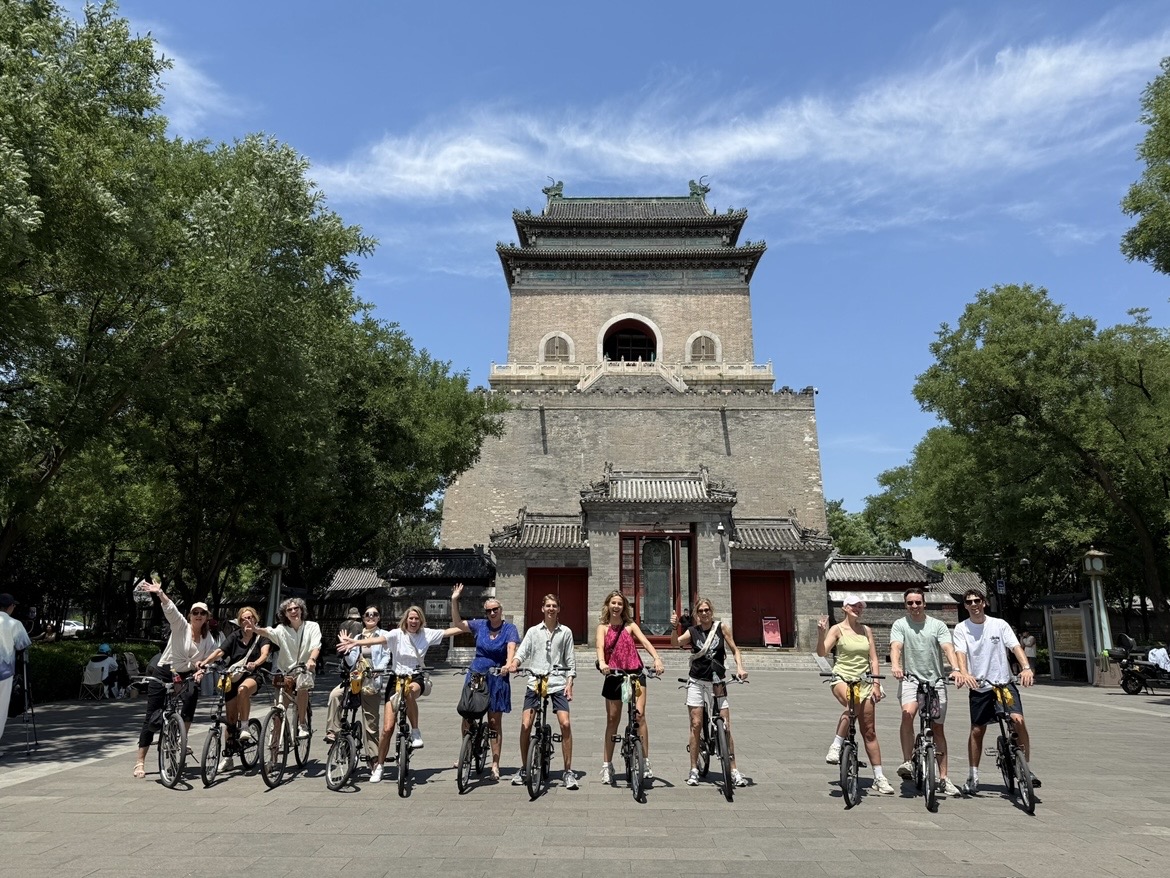
Our Hutong Experience explores old neighbourhoods by bicycle or electric scooter, with local flavours, games and shared stories along the way. There’s time to notice what’s happening around us and ask about it.
The people we meet in hanfu are enjoying their own day. Encounters and photos happen naturally, when everyone is happy to join in. Come with questions you’ve been saving—or discover new ones as we go.
Planning more exploring? Read our guide to the hutongs around Yonghegong Lama Temple, or browse more Our Beijing blog posts.
FAQs: Hanfu dresses in Beijing
What are the traditional dresses people wear in Beijing called?
Many are called hanfu, a term covering traditional Han Chinese clothing and modern interpretations of historical styles. However, you may also see qipao, Qing court-inspired outfits and other traditional clothing.
Why do people wear hanfu in Beijing?
People wear hanfu for cultural interest, fashion, photography and personal enjoyment. Seeing someone wearing it does not necessarily mean there is a festival or performance.
Where can I see hanfu dresses in Beijing?
We very often encounter people wearing hanfu in the hutongs during The Hutong Experience. The Forbidden City area also attracts traditional clothing photography, although outfits vary. Sightings are never guaranteed.
Is it okay to take photos with people wearing hanfu?
Yes, if they agree. Ask first, avoid interrupting a photo session and respect a refusal. Our guests often take photos with people we meet when everyone is happy to participate.
Will I see hanfu on The Hutong Experience?
You may—we very often do—but each day brings different encounters. The Hutong Experience explores local life and culture, and hanfu sightings happen naturally along the way. View the experience and send a booking request.
✨You’re reading a blog from Our Beijing ✨
We curate experiences for adventurous traveler’s who want something different.
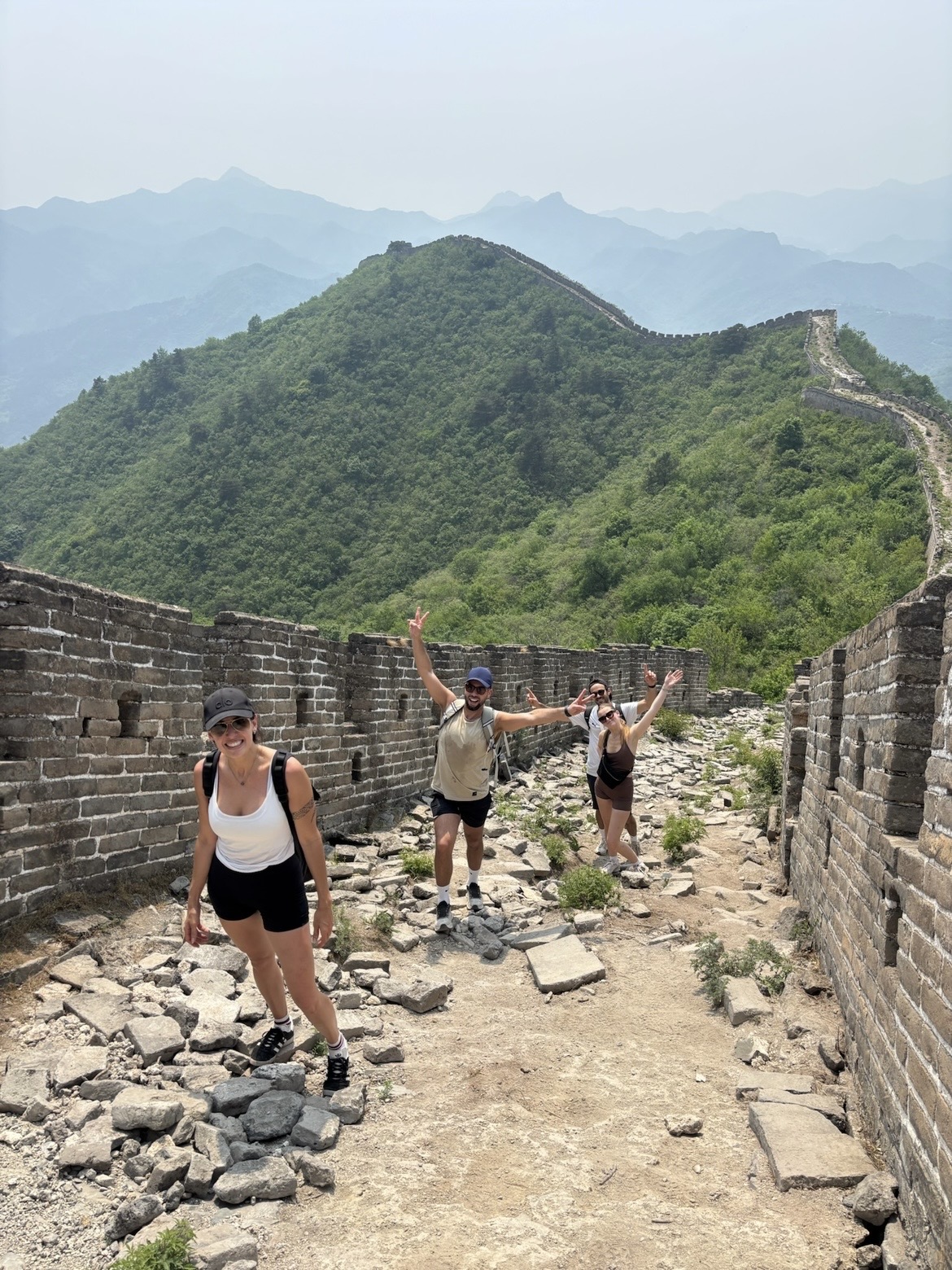
—imagine riding through old Beijing hutongs, tasting our favourite street food snacks, or if you’re a top adventure seeker, hiking the wild, unrestored Great Wall.

Back to blog