
Stories from our Beijing
Gluten-Free Food in Beijing: Questions to Ask Before You Eat
November 6, 2024
Looking for gluten-free food in Beijing? If you have coeliac disease, choosing a meal means checking more than its name or main ingredient. Sauces, stocks, seasonings and shared preparation all matter. This guide explains the questions to ask before you order.
Our recommendations draw on personal experience with family members who have coeliac disease and with guests visiting Beijing. We do not control restaurant ingredients or food preparation and cannot guarantee that any meal is gluten-free or free from cross-contact. Our hosts can help you communicate your requirements, but you decide what to eat after checking with the food provider. This guide is not medical advice.
What should you check before ordering?
A dish’s name or main ingredient does not establish whether it is suitable for someone with coeliac disease. Ask the kitchen about every ingredient, sauce, stock and seasoning, and whether separate clean equipment and preparation areas can prevent cross-contact. Skipping pancakes or asking for no soy sauce is not enough. If the kitchen cannot confirm the ingredients and preparation, choose something else.
- Ingredients: ask about wheat, barley and rye, including ingredients in sauces, marinades, stock powders and thickeners. Do not assume a rice-based dish contains only rice.
- Preparation: ask whether pans, utensils, chopping boards, cooking water or frying oil are shared with gluten-containing food.
- Serving: check whether shared serving utensils or a buffet could bring food into contact with gluten.
- Understanding: explain that this is a medical dietary requirement, not simply a preference. Ask the person preparing the food rather than relying on a guess.
Beijing dishes: questions to ask, not guarantees
These are examples of what to discuss with the kitchen, not a list of certified gluten-free dishes.
- Peking duck: removing the pancakes is only one step. Check the duck’s marinade or glaze, all accompanying sauces, and how it is prepared and served. A lettuce wrap does not make the rest of the meal gluten-free.
- Hot pot: a clear broth is not proof that it is gluten-free. Check stock, seasonings, dipping sauces and prepared ingredients, as well as whether the pot and utensils will be shared with gluten-containing food.
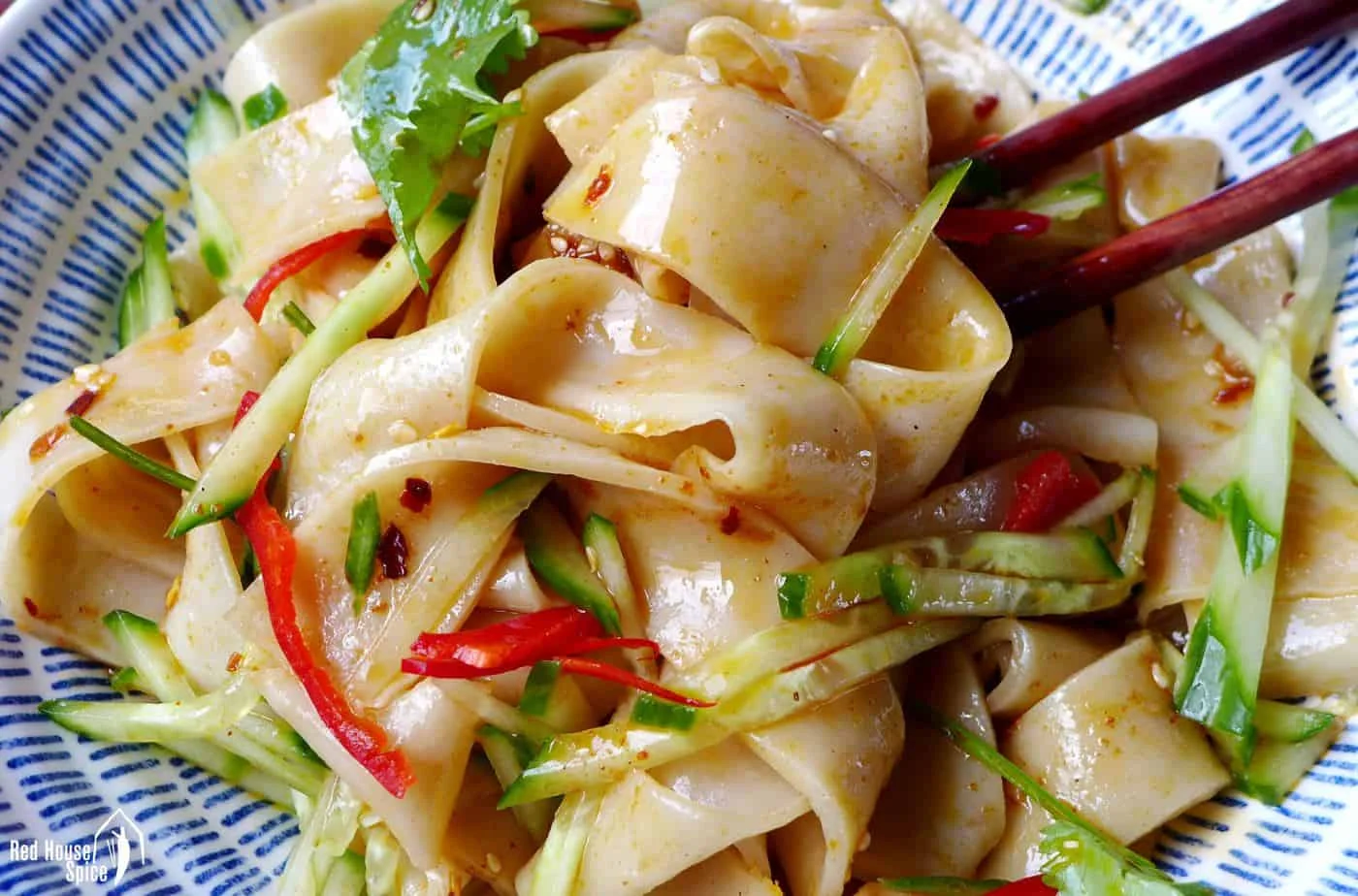
- Rice noodles: confirm the noodle ingredients, broth, toppings and sauces, and whether the cooking water or equipment is shared.
- Steamed fish, vegetables and tofu: ask about every sauce and seasoning and the equipment used. Simply removing soy sauce does not address all possible sources of gluten or cross-contact.
- Soups: check the stock, thickeners and seasonings. The main ingredient, such as sweetcorn, does not determine whether the finished soup is suitable.
Communicating your needs in Mandarin
Asking for no soy sauce communicates only one part of your needs. It does not cover other gluten-containing ingredients or cross-contact. Bring a complete, professionally reviewed coeliac dietary card in Chinese and show it to the person preparing your food. Review the wording with your dietitian or a qualified translator before travelling.
Our hosts can help you ask questions, but translation and a restaurant’s willingness to help are not guarantees of suitable food preparation. If anything remains unclear, do not feel pressured to eat it.
Checking restaurants before you visit
A gluten-free menu item or pizza base does not tell you how a kitchen manages cross-contact. Menus, suppliers and preparation practices can change, including between branches. Contact the specific restaurant before your visit and confirm the arrangements again when you arrive.
Ask whether staff can check ingredient labels and explain how your meal will be kept separate during preparation and serving. We are not presenting any restaurant here as certified suitable for coeliac diners. A previous good experience is a starting point for questions, not a promise about your next meal.
A few practical tips
- Give yourself time: discuss your requirements before ordering, and allow time for staff to check with the kitchen.
- Carry food you can rely on: bring clearly labelled gluten-free snacks and check the labels yourself. Whole fruit that you can wash or peel yourself can be another useful option.
- Plan ahead with your clinician: coeliac disease requires a lifelong gluten-free diet. Do not rely on tablets or supplements to make gluten exposure safe. Before travelling, ask your clinician what to do if you accidentally consume gluten or become unwell.
For medical guidance, see the NHS information on coeliac disease treatment. It explains the need for gluten avoidance and the risk of cross-contamination from shared preparation and utensils.
Joining an Our Beijing experience
We love sharing Beijing’s everyday life, stories and food culture. If you have coeliac disease or another dietary requirement, tell us before booking so we can discuss what may be possible. Food choices remain yours after checking with the provider; we cannot guarantee that a food stop will be suitable.
Tell us your dietary requirements before booking so we can discuss what may be possible.