Finding halal food in Beijing isn’t hard — if you know where to look. The city has a rich Muslim culinary heritage, and several restaurant chains offer certified halal dining across multiple locations.
Here are 5 reliable halal chains. The first three serve Northwest Chinese cuisine (Gansu, Xinjiang, Ningxia). The last two are classic Old Beijing spots.
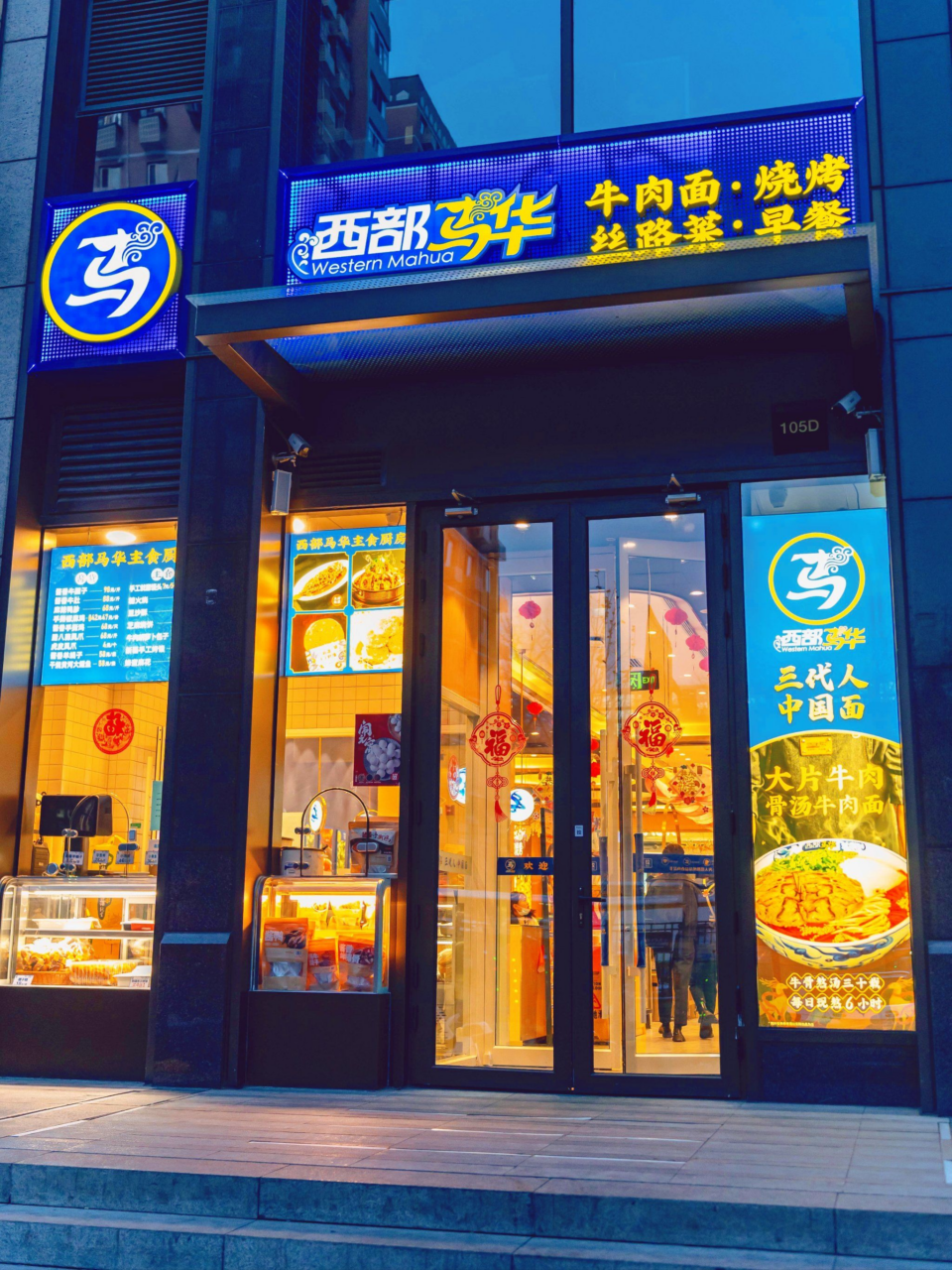
The brand: Western Mahua was founded in 1988 and is one of China’s largest halal restaurant chains, operating over 50 locations across China plus branches in Singapore . They run four concepts under one brand: beef noodle shops, mid-range family dining, and Xinjiang-style spicy chicken .
What to order:
Price: ¥23-80 per person
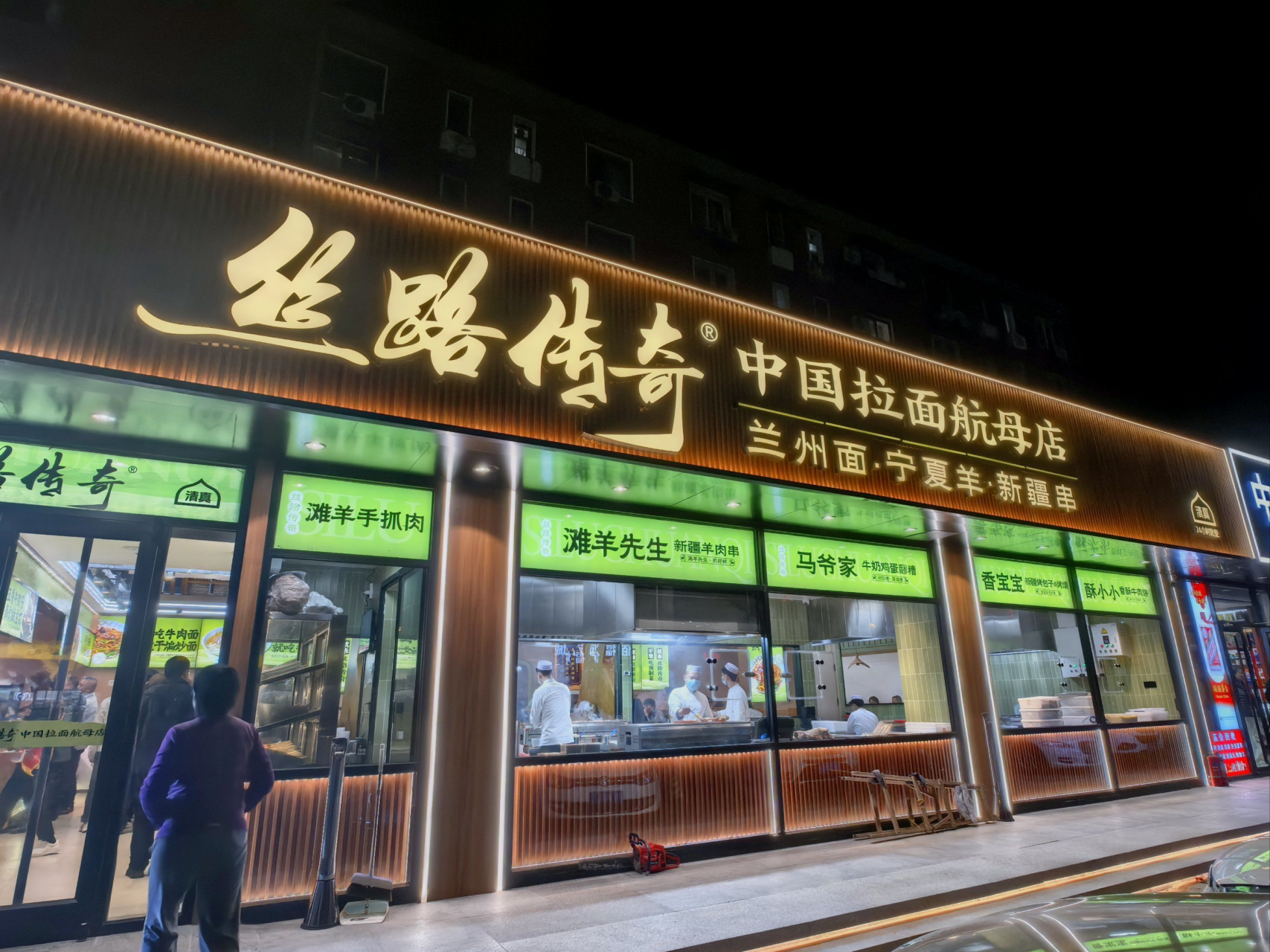
The brand: Silk Road Legend brings the flavors of the ancient Silk Road to Beijing. It’s known for its Northwest Chinese and Xinjiang cuisine.
What to order:
Price: ~¥45 per person
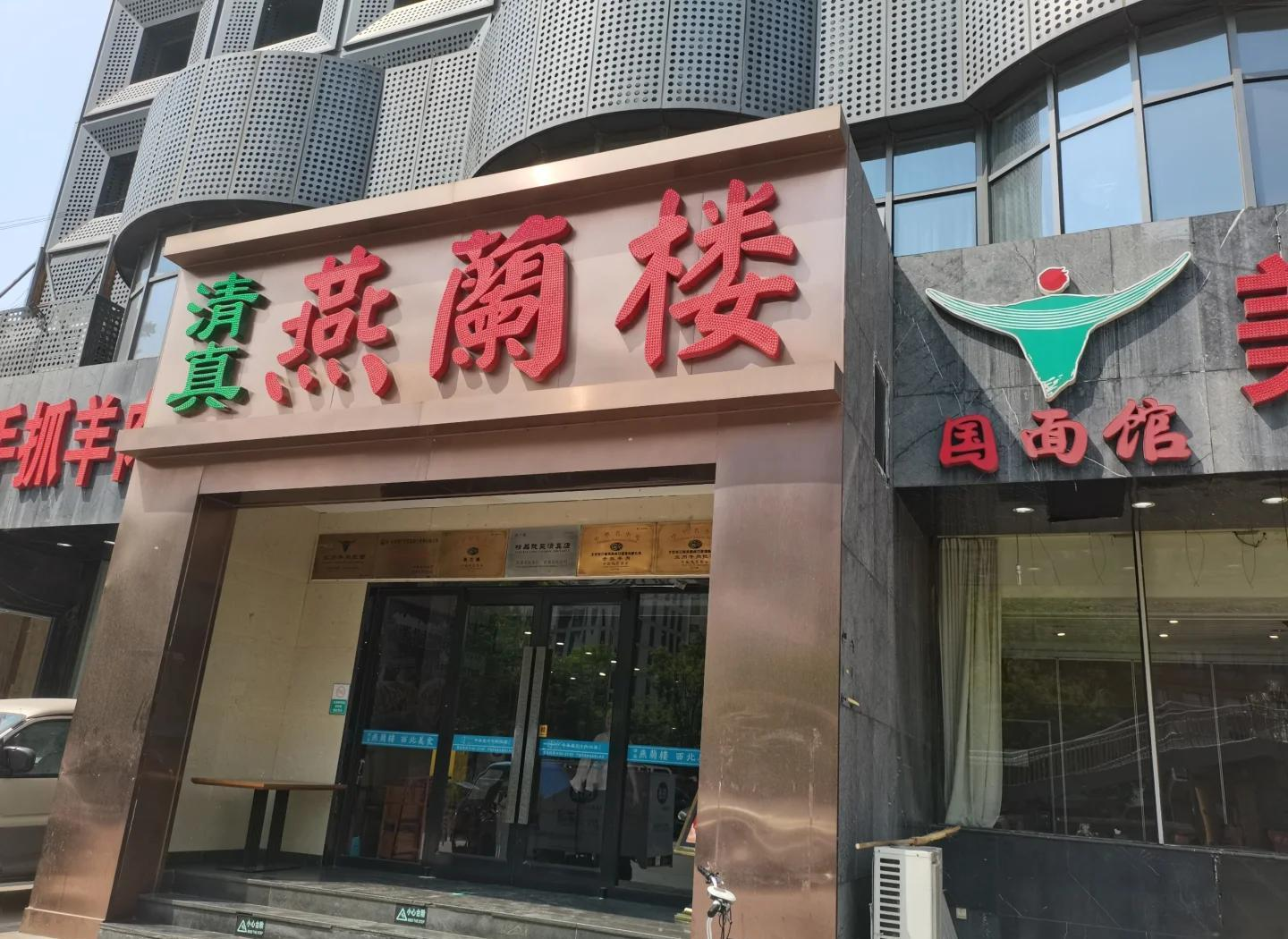
The brand: Yanlanlou was founded in 2007 in Beijing and specializes in Gansu and Xinjiang cuisine. It was named one of Beijing’s Top 10 Halal Brands in 2015 and has been recognized as a “China Famous Restaurant” (中华餐饮名店) .
What to order:
Price: ¥79-107 per person
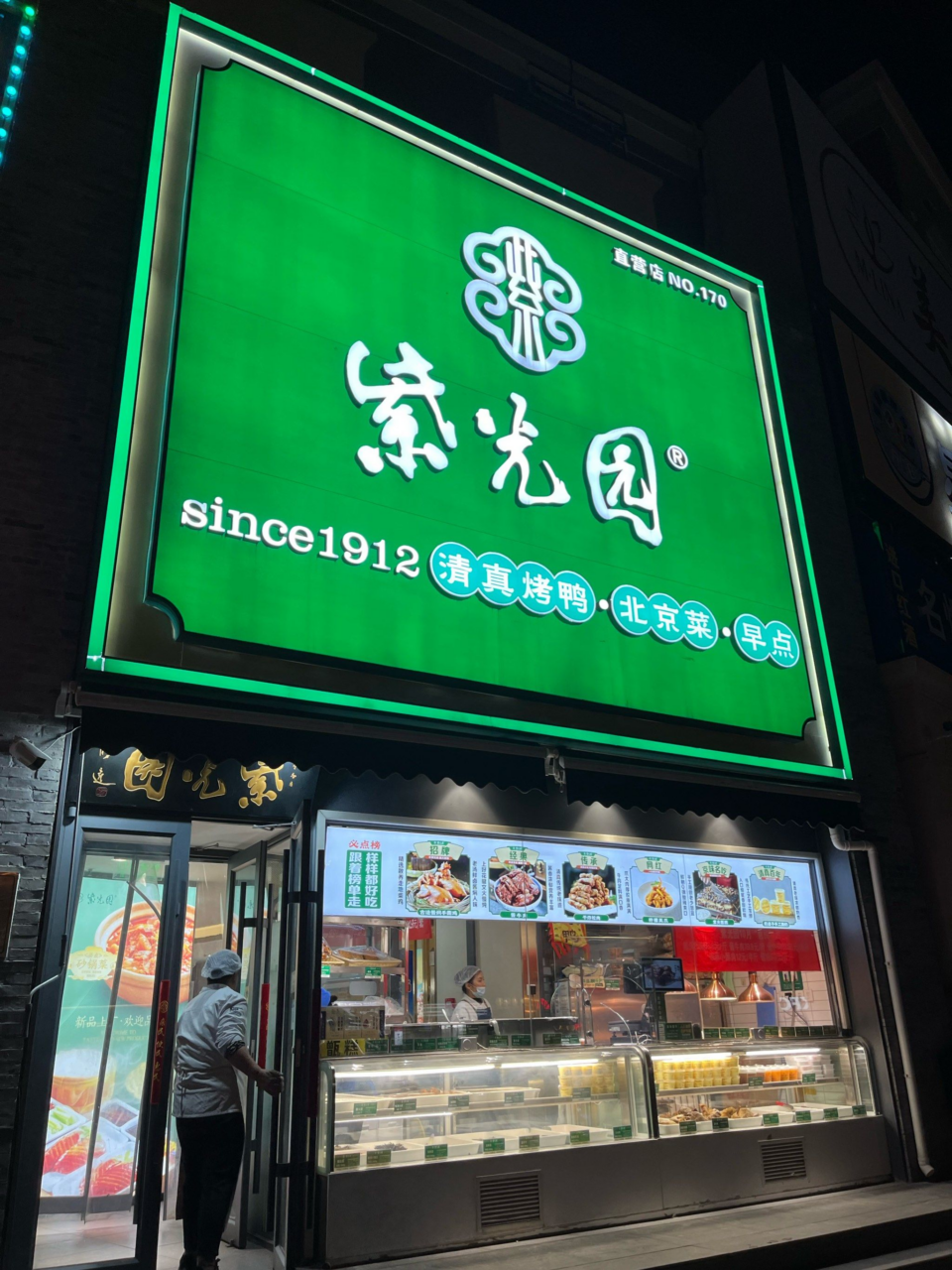
The brand: Ziguangyuan is a century-old Beijing brand, founded in 1912 by the Ai family.
What to order:
Price: ¥72-74 per person
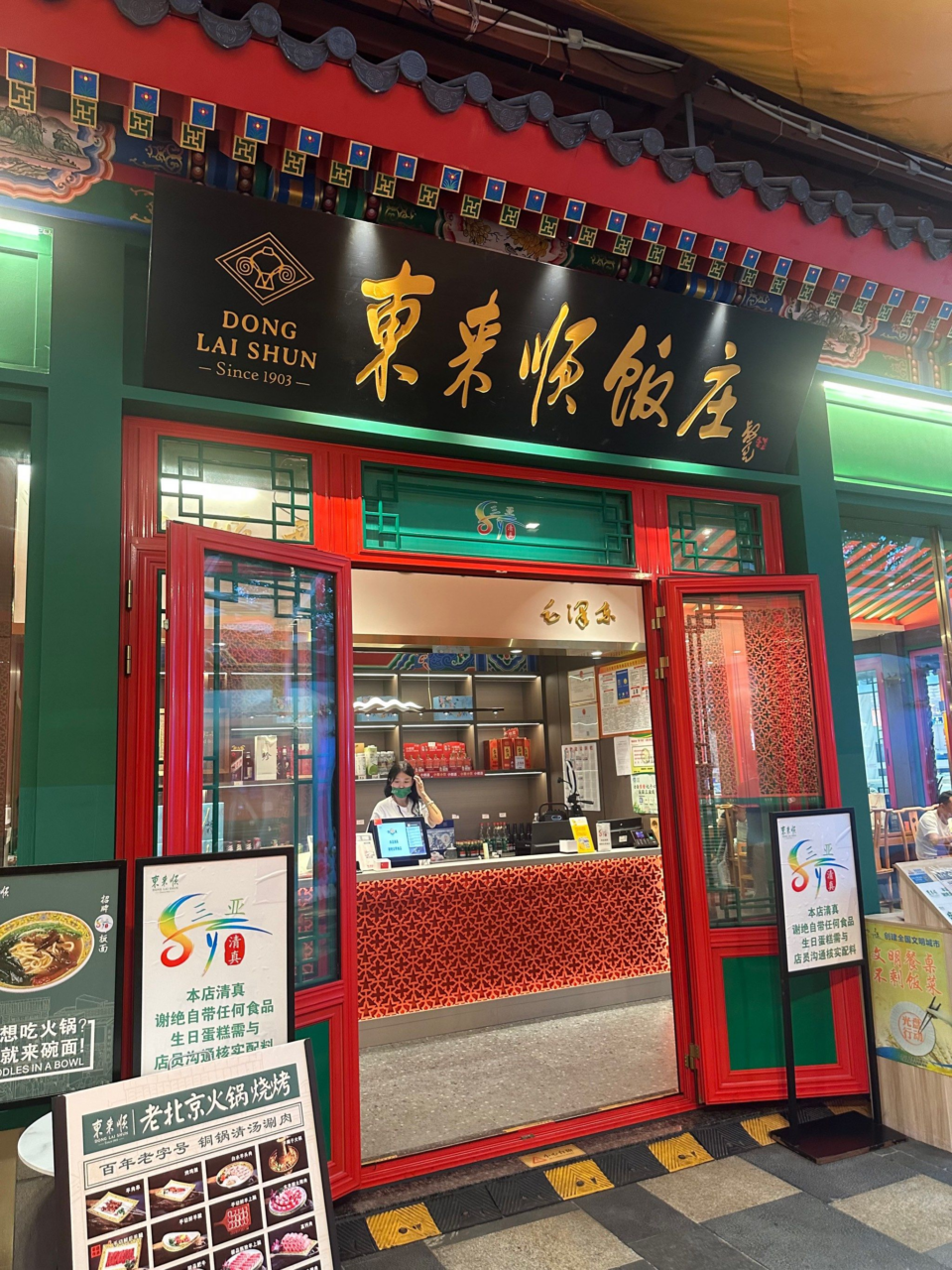
The brand: Donglaishun was founded in 1903 by Ding Deshan, a Hui Muslim. It’s one of China’s most famous halal brands — a century-old “China Time-Honored Brand” (中华老字号) .
What to order:
Price: ~¥100 per person
Western Mahua has over 50 locations across Beijing and other cities. You’ll find one in almost every major neighborhood.
Some do. Donglaishun and Western Mahua locations in tourist areas often have English menus. For others, use a translation app or point at pictures.
Northwest halal (Western Mahua, Silk Road Legend, Yanlanlou) features lamb skewers, hand-pulled noodles, and Xinjiang/Gansu spices. Old Beijing halal (Ziguangyuan, Donglaishun) features copper pot hotpot, Peking duck, and traditional Beijing sauces like sesame paste.
Most prefer Alipay or WeChat Pay — link your foreign card before you go. Cash also works everywhere. Credit cards are rarely accepted directly.
Look for the official green and white “清真” (qīngzhēn) sign displayed on the storefront or door — this indicates the restaurant has passed Beijing’s official halal certification.
If you want to explore Beijing’s food scene without the guesswork, we offer a street food tour for foodies who want to taste real Chinese flavors — curated by people who live here, eat here, and love sharing what they’ve unlocked.
We can also arrange halal options upon request. 😊
✨You’re reading a blog from Our Beijing ✨
We design authentic adventures for travelers who want to dive deeper
— cycling through hutongs, tasting Beijing’s favorite snacks, and hiking the wild, unrestored Great Wall.