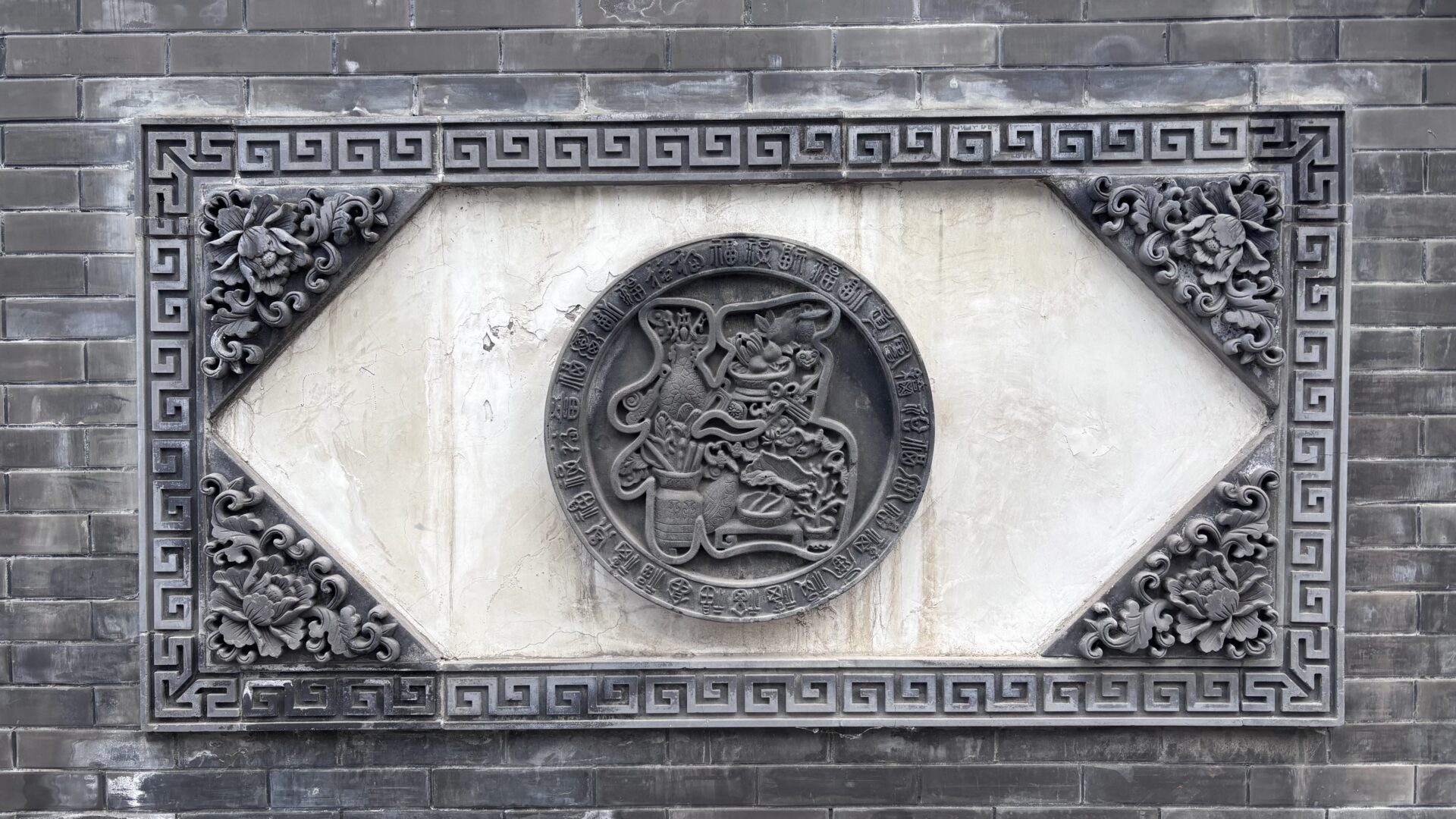
Stepping out of the majestic Yonghegong Lama Temple, you find yourself at the threshold of another Beijing—one not of grand monuments, but of intimate, winding lanes where daily life unfolds with quiet poetry. To truly walk the Beijing hutongs around Yonghegong is to discover the city’s living heart, where centuries-old walls listen to modern footsteps, and the scent of sandalwood gives way to the aroma of coffee and street snacks.
As a nearby resident, my greatest pleasure is weaving through these neighborhoods. This guide will lead you through the most characteristic lanes—from the trendy boutiques of Wudaoying to the scholarly silence of Guozijian Street—helping you craft your own perfect hutong walk. Here, history isn’t just preserved behind glass; it breathes in the rustle of courtyard trees, echoes in artisans’ workshops, and welcomes you with every open door.
1. Wudaoying Hutong (五道营胡同): The “Most Literary” Lane
This 632-meter-long hutong is a favorite among young locals and creatives. It masterfully blends the quiet charm of old Beijing with a fresh, trendy vibe.
- What to look for:
- Unique Cafés: Grab a coffee and head to the rooftop at Fúdǐng Coffee for a distant view of Yonghegong’s rooftops. Phenix Cafe and METAL HANDS are also popular spots to relax.
- Boutiques & Craft Shops: Browse through independent stores selling everything from handmade jewelry to contemporary Chinese design.
- Diverse Dining: Enjoy authentic seafood paella at Saffron Spanish Restaurant or try the viral Chongqing-style hot pot at Wang Chuǎ Chuǎ.
2. Guozijian Street (国子监街): A Scholar’s Quiet Path
Just south of Wudaoying, this street feels like stepping into a more serene, scholarly past. Lined with red walls and ancient trees, it’s home to the historic Imperial College.
- What to look for:
- Historical Atmosphere: Visit the Guozijian Museum and the adjacent Confucius Temple to feel the weight of ancient learning.
- Understated Shops: Discover niche brands like 观夏 (fragrance and ceramics) or enjoy a tranquil tea session at YIJO TEA LAB. Swim Cafe is a cozy spot perfect for introverts (“i-people”) seeking a quiet corner.
Looking for more traditional Beijing flavors? Don’t miss our guide to A Tasty Introduction to Beijing-Style Pastries, many of which you can find in shops around these hutongs.
3. Fangjia Hutong (方家胡同): Authentic Local Life & Creativity
North of Guozijian, this hutong offers a grittier, more authentic slice of Beijing life mixed with creative energy.
- What to look for:
- Creative Cluster: The Fangjia Hutong No. 46 compound is a repurposed old machine factory, now housing studios and cafes, retaining its industrial character.
- Local Bites & Brews: For great value, try the burgers and craft beer at Burp. For a unique experience, sample “hutong roast duck” at the MENWAI Restaurant.
4. Xilou Hutong (戏楼胡同): A Street of History
A short lane with deep roots, it directly connects to the Yonghegong complex.
- What to look for:
- Historical Link: Its name means “Opera Tower Hutong,” recalling the stages built here for temple fairs during the Qing Dynasty. It’s a tangible piece of Beijing’s religious and folk history.
- Architectural Heritage: At its eastern end stands the ancient Bailin Temple (not open to the public), forming a significant historic district with Yonghegong.
- Local Insight: Nearby, the Paoju Alleyways (炮局头条至四条) are protected traditional addresses. Their grid-like naming reflects old Beijing’s urban layout, and remnants like former prison walls offer a stark, fascinating glimpse into the city’s layered past.
The Main Street: Yonghegong to Beixinqiao
Don’t ignore the main Yonghegong Street itself! The stretch south toward Beixinqiao subway station is lined with countless traditional snack stalls and local eateries—perfect for grabbing a quick tánghūlu (candied fruit) or other Beijing street food as you walk.
For more inspiration on exploring Beijing’s unique leisure activities and historic areas, you can browse themed itineraries on the official Beijing Tourism website.
How to Plan Your Walk
- For the trendy & artistic vibe: Start with Wudaoying Hutong.
- For history & quiet contemplation: Focus on Guozijian Street and Xilou Hutong.
- For local flavor & creative spaces: Explore Fangjia Hutong.
- The Perfect Loop: These Beijing hutongs are all within a 10-15 minute walk of each other. You can easily create your own 2-3 hour citywalk loop, starting and ending at Yonghegong subway station.
Put on comfortable shoes, wander without a strict map, peek into curious courtyards, and let the layered stories of these old neighborhoods unfold around you. This is where the true heartbeat of Beijing lives.
Want to explore deeper with a local?
Join Our Beijing’s curated experiences to taste, pedal, and wander your way through the city’s soul:
Back to blog