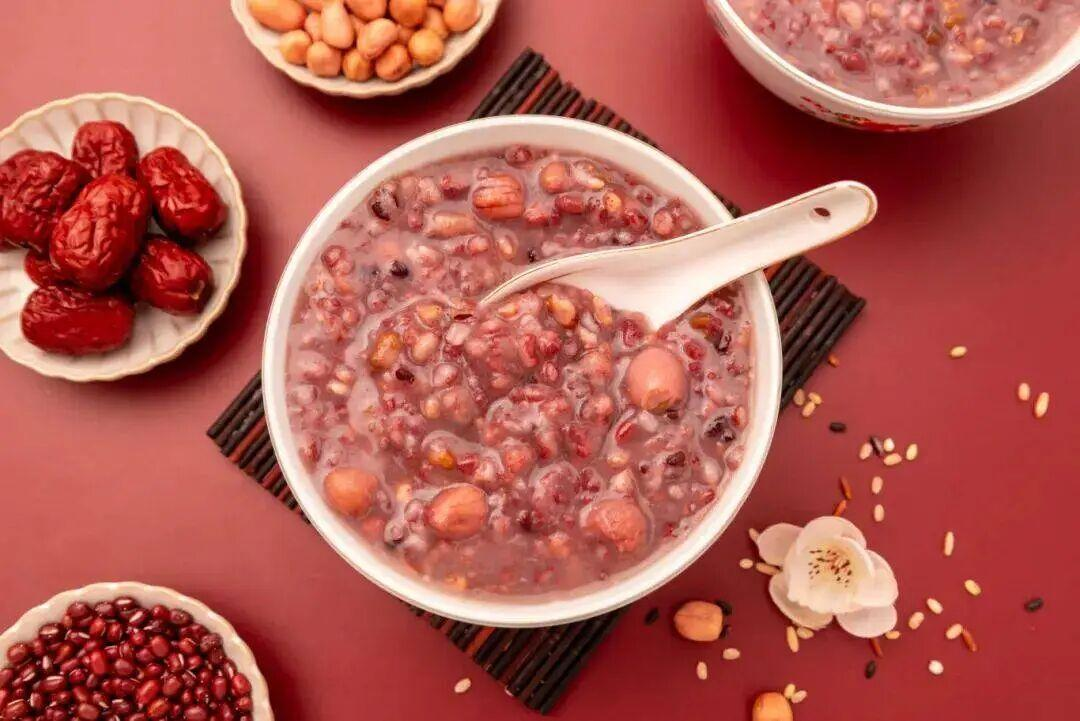
If you’re in China around early January, you may notice something special on the lunar calendar: “Laba” (腊八), which falls on the 8th day of the 12th lunar month. This year, it’s the last eighth day of the Year of the Snake. More than just a date, Laba is a cherished tradition that marks the official countdown to the Chinese New Year—the most important holiday in China.
What’s the Story Behind Laba?
The origins of Laba are a blend of history, Buddhism, and folk culture. One popular legend traces it back to the day Sakyamuni, the founder of Buddhism, attained enlightenment after prolonged meditation and fasting. Monks would offer porridge to the poor in his memory, a practice that gradually spread among the people.
In northern China, where winters are harsh and long, Laba also served as a practical and spiritual preparation for the New Year. It was a day to give thanks for the harvest, pray for good fortune, and honor ancestors—a warm, communal pause before the bustling Spring Festival.
How Was Laba Celebrated in the Past?
Traditionally, Laba was a family-centered, ritual-rich day:
- Making Laba Porridge (腊八粥, làbā zhōu – pronounced “lah-bah joh”): Families would gather before dawn to slow-cook a hearty porridge with eight or more symbolic ingredients like rice, beans, nuts, and dried fruits—each representing health, abundance, or good luck.
- Offering to Ancestors & Deities: Bowls of porridge were placed on home altars as offerings.
- Preserving Laba Garlic: People would peel garlic cloves and soak them in vinegar to make “Laba garlic,” which turns vibrant green and becomes a tangy condiment for dumplings during Spring Festival.
How Do People Celebrate This Day Today?
While some rituals have simplified, the essence of warmth and preparation remains:
- Eating Laba Porridge (làbā zhōu): Many still cook or buy porridge, though ingredients are now more varied. Supermarkets and restaurants offer ready-to-eat versions.
- A Symbolic Start to Spring Festival Prep: Laba gently reminds people: “It’s time to start getting ready for the New Year!”—shopping, cleaning, and planning pick up pace.
- Community and Charity Events: Temples and community centers often give out free porridge, continuing the ancient spirit of sharing.
The Link Between Laba and Chinese New Year
Think of Laba as “the starter’s gun” for Chinese New Year celebrations. There’s a well-known folk saying:
“过了腊八就是年。”
“Once Laba passes, it’s New Year.”
It begins a 23-day festive sequence culminating in the Lunar New Year’s Eve reunion dinner. Laba garlic, made on this day, is left to ferment and enjoyed precisely one month later with dumplings during the festival—a delicious thread connecting the two holidays.
Tips for Foreigners in China
🍚 Must-Try Food & Drinks
- Laba Porridge (腊八粥, làbā zhōu): The absolute must-eat. Look for it at breakfast stalls, Buddhist temples, or traditional restaurants.
- Laba Garlic (腊八蒜): Try it as a zesty side with dumplings or noodles.
- Laba Noodles (腊八面): In some northern regions, people eat long noodles for longevity.
🎎 Interesting Things to Do
- Visit a Local Temple: This is one of the most authentic ways to experience Laba. Several Beijing temples hold special ceremonies:
- 雍和宫 (Yonghegong Lama Temple): As a former imperial temple, it continues the Qing Dynasty tradition with a large-scale porridge distribution.天开寺 (Tiankai Temple): Hosts a “porridge and blessings” event where participants receive free porridge.云居寺 (Yunju Temple): Runs cultural activities including porridge sharing and stamp collection.
Tip: Use Baidu Map (北京地图) to navigate to these temples and check exact event times.
- Explore by Bike: For a unique cultural experience that combines temple visits with local life, consider Beijing Bike Ride: From Zhihua Temple to Dongsi 13 Tiao. While not specifically a Laba tour, it offers great insight into Beijing’s temple culture and traditional neighborhoods.
- Join a Cooking Class: Learn to make Laba porridge or garlic—an immersive cultural experience.
- Shop for New Year Goods: Wander through traditional markets (nianhuo jie 年货街) that start buzzing after this day. It’s a fantastic way to feel the building festive energy.
- Share a Bowl with Friends or Colleagues: A simple, warm gesture that locals will appreciate.
💡 A Cultural Note
Laba is more low-key and family-oriented than the boisterous Chinese New Year. It carries a tone of gratitude, hope, and gentle anticipation. Participating—even just by enjoying a bowl of porridge—is a beautiful way to connect with the deeper, introspective rhythm of Chinese tradition before the explosive joy of the New Year.
So, if you’re in China around this time, follow the comforting aroma of simmering grains and nuts. Let this day be your flavorful introduction to the grand celebration to come.
Want to explore more of Beijing’s food and culture?
Join Our Beijing’s Street Food Discovery to taste authentic local flavors, or experience traditional neighborhoods on our Hutong Bike Tour.
腊八快乐!(Làbā kuàilè!) – Happy Laba!
Back to blog